


Access control installation for apartment blocks improves entry security, resident safety and daily management with the right system design.
Guide to Securing Office Reception Entrances

A reception entrance can look calm and professional while still being the weakest point in the building. It is where visitors arrive, deliveries come through, staff badge in, and unfamiliar faces can test how alert your front-of-house setup really is. This guide to securing office reception entrances focuses on one simple goal – giving you clear control over who gets in, who is challenged, and what is captured if something goes wrong.
For most offices, reception security is not just about stopping forced entry. It is about managing everyday movement without creating friction for staff, guests, or contractors. A good setup supports the receptionist, protects lone workers, gives managers visibility, and creates a clear record of events. If the entrance is poorly planned, even expensive equipment can leave blind spots in both coverage and procedure.
What a secure reception entrance needs to do
The best reception security starts with function, not hardware. Before choosing cameras or readers, define what the entrance must achieve during normal hours, quieter periods, and out-of-hours access. A small office with one staffed desk needs something different from a multi-tenant building with regular courier traffic.
At minimum, the entrance should deter opportunists, slow down unauthorised access, identify visitors clearly, and support a fast response if there is a problem. That usually means combining physical layout, monitored access points, and visible surveillance rather than relying on a single device.
There is always a balance to strike. A fully locked-down entrance can feel unwelcoming and slow business down. An open-plan reception with little control may feel friendly, but it gives too much away to tailgaters, disgruntled ex-staff, or anyone willing to walk in with confidence. The right answer depends on your footfall, staffing, and risk profile.
Guide to securing office reception entrances with layout in mind
Reception security often succeeds or fails before the first camera goes on the wall. Sightlines matter. If the desk cannot clearly see the door, the waiting area, and the route beyond reception, staff lose precious seconds when someone enters with intent.
A good reception layout naturally channels people towards a clear check-in point. Visitors should know where to stop, where to wait, and which doors are staff-only. Glazed internal doors can help maintain visibility, but they need controlled access if they open into private office space. If everyone can see straight through to unrestricted corridors, the building gives away too much.
The entrance should also avoid creating cover. Large display boards, plant features, and badly positioned partitions can block views from both staff and cameras. Clean design is useful, but practical control is what protects people.
If your reception is sometimes unattended, that changes the design brief. An unmanned desk with unlocked inner doors is an open invitation. In these situations, video door entry, controlled internal access, and clear visitor instructions become much more important.
CCTV at reception – visibility that is actually useful
Reception cameras should do more than prove someone was there. They should give you usable footage with enough detail to identify faces, clothing, direction of travel, and the sequence of events. That means camera placement, lighting, and settings all matter.
A common mistake is pointing one wide-angle camera at the whole reception and expecting it to do every job. In practice, you usually need layered coverage. One view should capture people approaching and entering. Another should show the interaction at the desk. A further angle may be needed for inner access doors, lift lobbies, or the route towards staff areas.
Lighting deserves more attention than it usually gets. Bright daylight through glazed entrance doors can wash out faces if the system is not specified correctly. Equally, dim reception lighting can reduce the value of recorded footage after dark. Modern CCTV with smart illumination and intrusion-triggered colour night coverage can make a real difference here because it improves actionable visibility at the point it matters, rather than giving you vague shapes and poor contrast.
Reception coverage should also be easy to review. If management or keyholders can securely check footage on their mobile phone, tablet, or monitor when an incident occurs, response times improve. Visibility in your hand is not a luxury feature when staff need reassurance or a quick decision has to be made.
Access control is what stops reception becoming a through-route
The front door is only one part of the problem. In many offices, the bigger risk is that someone gets through reception and reaches unrestricted internal areas. That is why access control on inner doors often matters just as much as the outer entrance.
A professionally specified system can give you flexible control without making daily entry awkward. For some offices, a keypad is enough. Others are better served by card or fob access, especially where staff turnover needs to be managed quickly. In higher-accountability environments, combining credentials with video verification gives stronger control.
IP video door entry is especially useful where the entrance is not always staffed or where different users need to grant access from different locations. A Dahua-based setup, for example, can support keypad, card, and fob entry with POE-connected indoor monitors that keep control simple and reliable. In a managed office environment, that means visitors can be seen, spoken to, and admitted without relying on guesswork.
There is a trade-off here too. More access points and more user permissions create flexibility, but they also need proper administration. If nobody updates users, revokes old credentials, or checks door events, the system becomes less secure over time. Good installation needs matching day-to-day management.
The people side of reception security
Even the best equipment cannot correct a weak process. Reception staff should know what to do when someone arrives without an appointment, refuses to sign in, follows a staff member through a controlled door, or becomes confrontational.
That does not mean turning reception into a checkpoint. It means creating a routine that feels normal and is easy to apply consistently. Visitors should be greeted, checked, and directed without ambiguity. Deliveries should have a clear handover point. Contractors should not be waved through because they look familiar.
Simple rules often work best. Staff-only doors should stay closed. Visitor badges should be visible. Suspicious behaviour should be challenged early, not once the person is halfway down the corridor. Where reception staff work alone, a panic function or linked alarm support is worth considering.
Choosing the right level of security for your office
Not every office needs the same level of control. A two-room business suite with one entrance and stable staff numbers may only need well-positioned CCTV, one controlled internal door, and clear visitor handling. A larger building with multiple tenants, confidential records, or vulnerable occupants needs more layers.
If your office handles sensitive information, cash, medication, or regular public footfall, reception security should be planned more tightly. The same applies if the entrance is used by staff arriving early or leaving late, when fewer people are around to spot a problem.
This is where a consultative site survey matters. The right system is rarely the biggest one. It is the one that matches your building, your staffing, and the way your reception actually works. An honest installer should be able to tell you where you need stronger control and where you do not need to overspend.
Common mistakes in securing office reception entrances
The most common issue is treating reception as a camera-only problem. CCTV helps with deterrence and evidence, but it does not physically control entry. Another mistake is focusing only on the main door while leaving side access, internal corridors, or secondary doors poorly protected.
Bad positioning is another recurring problem. A reader placed awkwardly, a monitor no one checks, or a camera pointed into glare can all reduce the value of the system. Security also slips when businesses install good equipment but never review permissions, footage quality, or staff procedures afterwards.
Support after installation matters more than many buyers expect. Systems need adjusting as office use changes. Staff leave. Reception layouts get altered. New risks appear. Ongoing support keeps the original investment working as intended.
Making reception security easier to manage
The strongest reception security is usually the easiest to use. Staff should not have to work around it. Visitors should understand it on arrival. Managers should be able to review events without a technical struggle.
That is why integration matters. When CCTV, door entry, and access control are specified as part of one practical plan, you gain a clearer picture of who arrived, who was admitted, and where they went next. You also reduce the chance of separate systems creating gaps.
For many offices, the best result comes from a measured upgrade rather than a complete overhaul. Improve visibility first. Tighten internal access next. Then refine procedures around how reception is actually used. Done properly, securing the front entrance does more than protect a doorway – it strengthens the control of the whole building.
If you are reviewing your reception setup, start with the weak points staff already notice but have learned to work around. Those are usually the first places an unwanted visitor will test.

Your Guide to Wireless Alarm Installation
Use this guide to wireless alarm installation to plan reliable protection, smart device placement, app control and ongoing support for your property today.

CCTV for Nurseries: What Good Security Looks Like
CCTV installation for nursery security: camera placement, night coverage, entry control, privacy rules and how to choose a reliable installer for safeguarding.
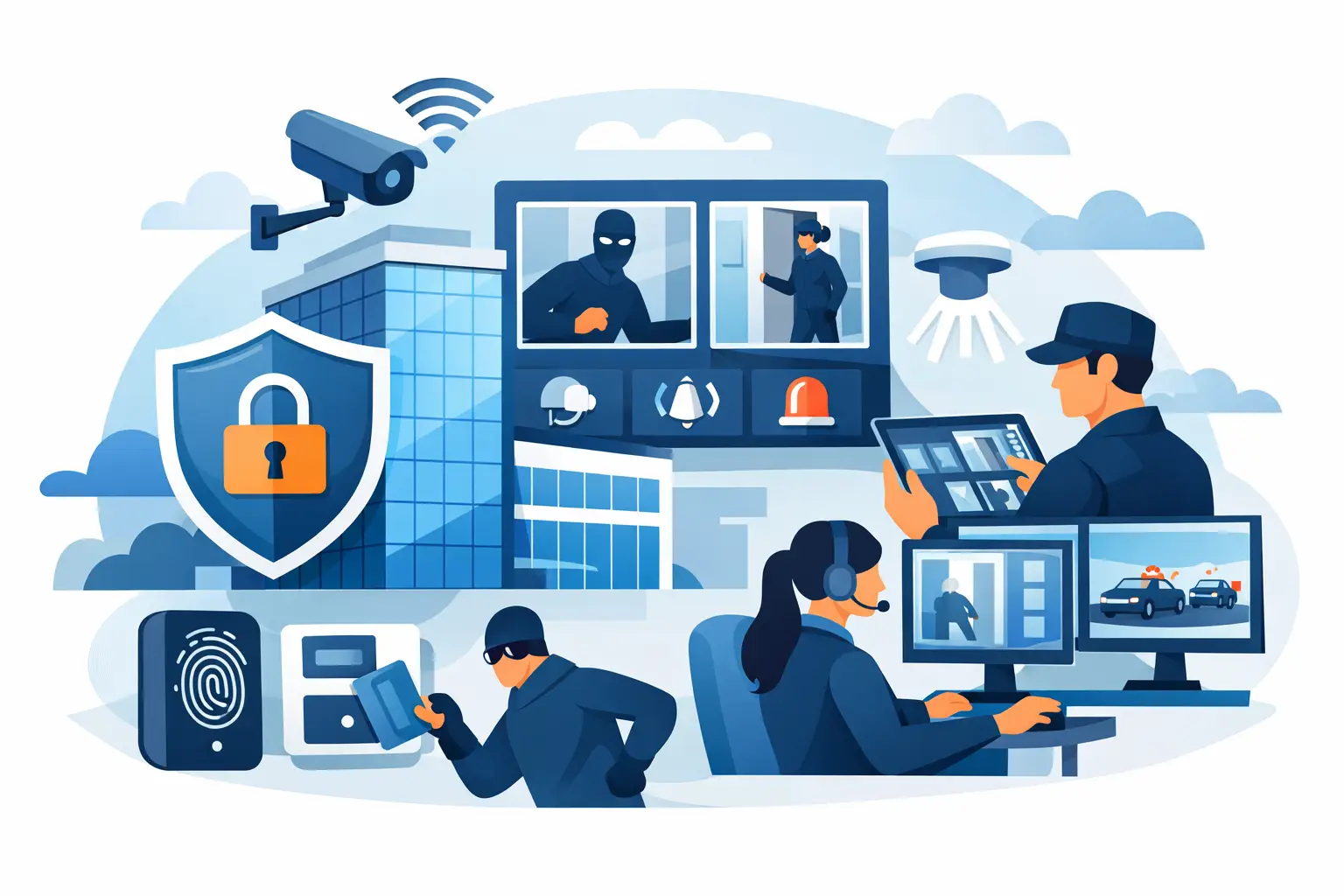
Best Commercial Security System Features
Compare the best commercial security system features for dependable CCTV, controlled entry and faster response across offices, flats and managed sites.

What Happens During a Security Survey Visit?
Find out what happens during a security survey, from identifying weak points to choosing CCTV, access control and alarms suited to your property needs.

Residential Video Entry Guide for Safer Access
Residential video entry guide for homeowners and landlords. Learn what matters, what to compare, and how to choose a reliable system.

Guide to Door Entry for Multi Tenant Buildings
Practical guide to door entry for multi tenant buildings – compare systems, credentials, monitoring and installation choices for safer access.

Clearer CCTV Footage at Night: Fixes That Work
Learn how to improve cctv night recording with better lighting, correct camera settings, smart placement and pro installation choices for clearer evidence.
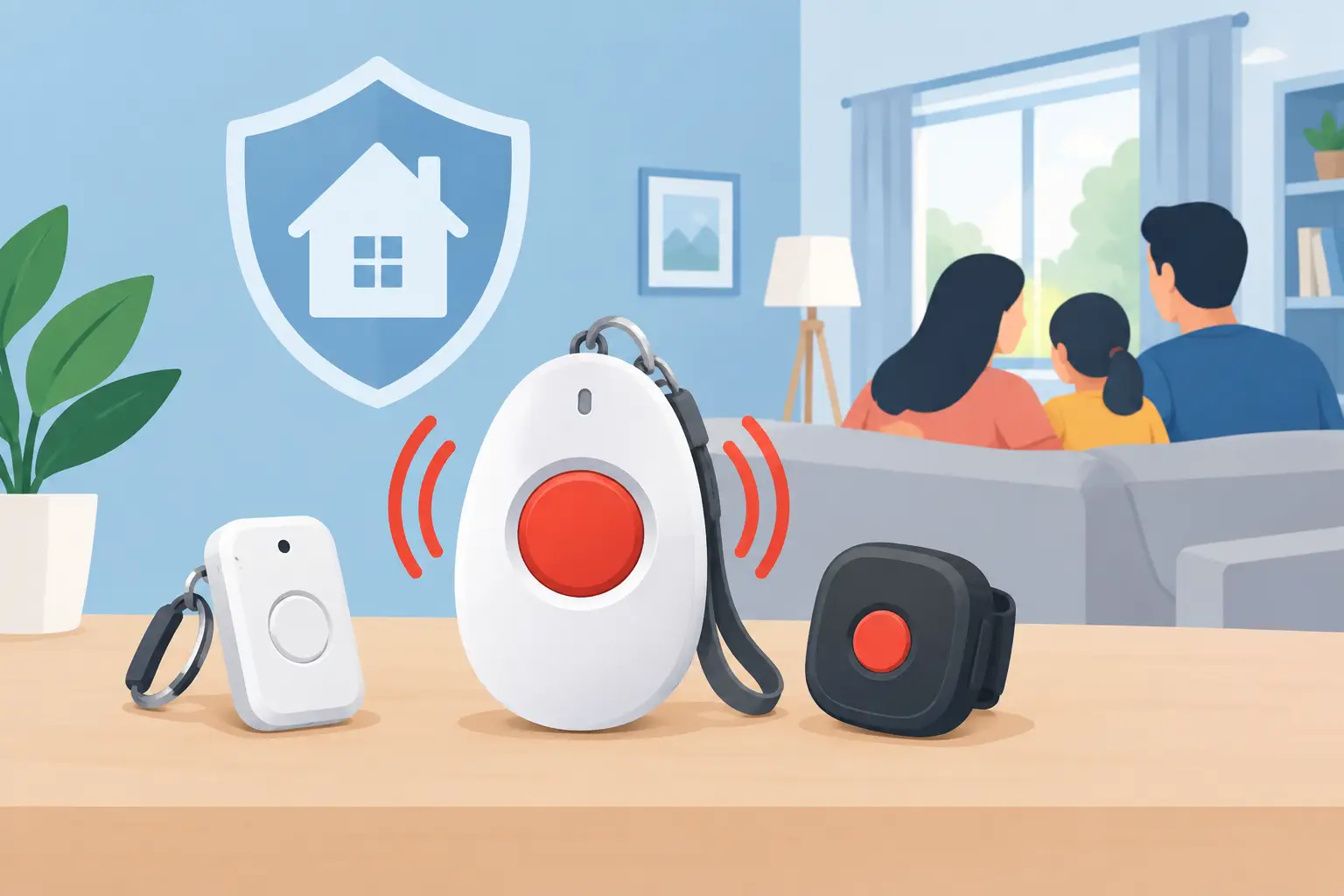
Best Panic Alarms for Homes and Families
Compare the best panic alarms for homes, from personal buttons to monitored systems, and choose reliable protection for your family, home and property.

Wireless Alarm Reliability: What Really Matters
Wireless alarm reliability depends on design, signal strength, power and support. See what a professional installation checks before an alarm is needed.

CCTV Recording Retention Period UK Explained
Understand the CCTV recording retention period UK organisations should set, balancing security evidence, storage capacity and UK data protection duties.

Choosing a Dahua Door Entry Installer
Need a dahua door entry system installer? Learn what to expect from a proper survey, POE setup, access options, and reliable after-care.