


CCTV cameras versus video doorbells: compare coverage, deterrence and installation to choose dependable protection for your home or business premises.
Guide to Commercial Access Control

A front door that stays locked is not the same thing as a building that is under control. In offices, nurseries, managed blocks and shared commercial premises, the real issue is who gets in, when they get in, where they can go and how quickly you can respond when something is not right. That is where a proper guide to commercial access control becomes useful – not as a box-ticking exercise, but as a way to make entry management clear, accountable and easy to run every day.
Commercial access control sits between convenience and protection. If it is too basic, you end up handing out keys, chasing missing fobs and relying on staff to remember locking routines. If it is overcomplicated, people work around it. The right system gives you controlled entry without making the building awkward to use.
What commercial access control actually does
At its simplest, commercial access control replaces unmanaged physical keys with controlled credentials and electronic permissions. Instead of one key opening one door until it is lost or copied, you can decide who has access, to which entrance, at what times and under what conditions.
That matters for more than security. It improves accountability, helps protect staff and visitors, and reduces the disruption caused by staff changes or tenant turnover. If a member of staff leaves, you do not need to change locks throughout the building. You remove their access. If a delivery door should only be active during working hours, you can set it that way. If a main entrance needs monitored visitor access, you can pair door entry with live video and internal monitors.
For many sites, especially multi-occupancy buildings and regulated settings, this level of control is no longer a luxury. It is part of running the premises properly.
A guide to commercial access control starts with the building
The best systems are designed around how the site really works. That sounds obvious, but many problems begin when equipment is chosen before anyone has assessed traffic flow, risk points or daily routines.
A small office with one front entrance needs something very different from a nursery with safeguarding concerns, or a block with shared access, private units and regular visitor arrivals. The same applies to internal doors. Some buildings only need controlled entry at the perimeter. Others need separate permission levels for plant rooms, stock rooms, staff-only areas or communal entrances.
This is why site surveys matter. A professional survey looks at door types, cabling routes, power availability, fire door requirements, release points, intercom positions and user habits. It should also look at how access control will work alongside CCTV, alarms and external lighting. When these systems support each other, incidents are easier to verify and easier to respond to.
Choosing the right credentials
Most commercial systems use one or more of three common methods – keypad entry, cards or fobs, and video door entry with remote release. In some cases, these are combined.
Cards and fobs are popular because they are quick and familiar. They suit offices, communal doors and staff entrances where people need fast entry without delay. The downside is straightforward: they can be lost, shared or forgotten. Good management processes solve a lot of that, but it is still a consideration.
Keypads work well where users need occasional access without carrying another device. They can also reduce the number of physical credentials in circulation. The trade-off is that codes can be passed on if they are not updated often enough.
Video door entry is often the better fit where visitor management matters. Dahua IP video door entry systems, for example, can support multiple credential options while also giving staff or residents a clear view of who is requesting access. With POE-connected 7-inch Android monitors, users can manage calls and releases from a practical internal station rather than relying on guesswork or audio only.
The right choice depends on the building, the users and the risk level. There is no sensible reason to force every site into the same setup.
Where access control works best
Commercial access control is often thought of as a front-door solution, but its value increases when it is planned across the full route into and through the premises.
Main entrances are the obvious starting point. They set the tone for security and day-to-day control. Staff doors, side entrances and rear service points usually matter just as much because they are often less visible and more vulnerable to misuse.
Inside the building, controlled access can help separate public areas from private ones, protect sensitive records, restrict stock access and prevent casual wandering through operational spaces. In nurseries and other child-focused settings, this is particularly important. Entry must be secure, but the system also needs to be quick, dependable and easy for authorised staff to manage under pressure.
For blocks of flats and managed properties, access control helps with shared entrance management, tenant turnover and visitor screening. For offices, it supports both security and convenience, especially where multiple teams, flexible hours or shared occupancy are involved.
Integration matters more than most buyers expect
A door entry panel on its own can improve control, but the real gains come when access control is part of a wider security plan. If a door event is matched with CCTV footage, there is less ambiguity. If an unauthorised attempt happens after hours, linked systems can help you see what happened and react quickly.
This is particularly useful at perimeter points and entrances with poor natural visibility. Smart illumination and intrusion-triggered colour night coverage can make the difference between a vague outline and clear, actionable footage. If someone forces or tests a door at night, better visibility gives you stronger evidence and a clearer picture of risk.
That does not mean every site needs every available feature. It means the system should be designed as one practical whole. Access control, surveillance and alarm response should support each other rather than operate as separate purchases.
Managing users without creating admin problems
A commercial access control system should reduce hassle, not create it. Day-to-day management is where many systems either prove their value or become a frustration.
Adding a new staff member should be simple. Removing access should be immediate. Temporary permissions for contractors or cleaners should not require rewriting the whole setup. The more users a building has, the more important this becomes.
This is also where good installation and handover make a difference. A dependable system is not just about the hardware on the wall. It is about clear programming, sensible user groups, labelled permissions and support when changes are needed. Facilities managers and office administrators should not be left trying to decode an overengineered setup after installation.
For smaller businesses, usability is often more important than advanced features they may never use. A straightforward, well-configured system usually outperforms a complicated one that nobody feels confident managing.
Compliance, safety and the practical details
Access control must never ignore life safety. Doors may need secure locking, but they also need appropriate emergency release, fire integration and compliant exit arrangements. This is not an area for guesswork.
There are also privacy and data considerations, especially if the system stores user information or works alongside video footage. The right setup should support good practice without becoming burdensome.
This is another reason to avoid rushed, off-the-shelf decision-making. A commercial premises has technical and legal realities that need to be handled properly at the design stage. What works on a single private door at home may not be appropriate for a shared or regulated commercial setting.
What to ask before you buy
Any useful guide to commercial access control should make one point clear: the installer matters as much as the equipment. You are not only buying readers, locks and monitors. You are buying the quality of the survey, the logic of the design, the standard of the installation and the support that follows.
Ask how the system will cope with staff changes, future expansion and lost credentials. Ask what happens if there is a fault. Ask how the system fits with your CCTV and whether visibility at the entrance is strong enough to support good decision-making. Ask whether the recommendation matches your site, or whether it simply reflects what is easiest to sell.
A good installer will advise you towards the right fit, explain trade-offs in plain language and avoid pushing equipment that does not serve the building. That consultative approach usually saves money in the long run because you are less likely to end up replacing or correcting a poor specification.
For businesses that want better control without unnecessary complexity, the answer is rarely the biggest system on the market. It is the one designed around your entrances, your users and the way your premises actually runs. If that process starts with a proper survey and honest advice, you are already making a stronger security decision than most.
The best access control system is the one that gives you confidence when you are on site, and the same confidence when you are not.

Best Commercial CCTV System Features
Learn the best commercial CCTV system features for clearer evidence, stronger deterrence and simpler day-to-day control across your site.

Is a PoE Video Intercom Worth It?
Choosing a poe video intercom with indoor monitor? Learn what PoE really changes, what to specify, and how to avoid common installation pitfalls.
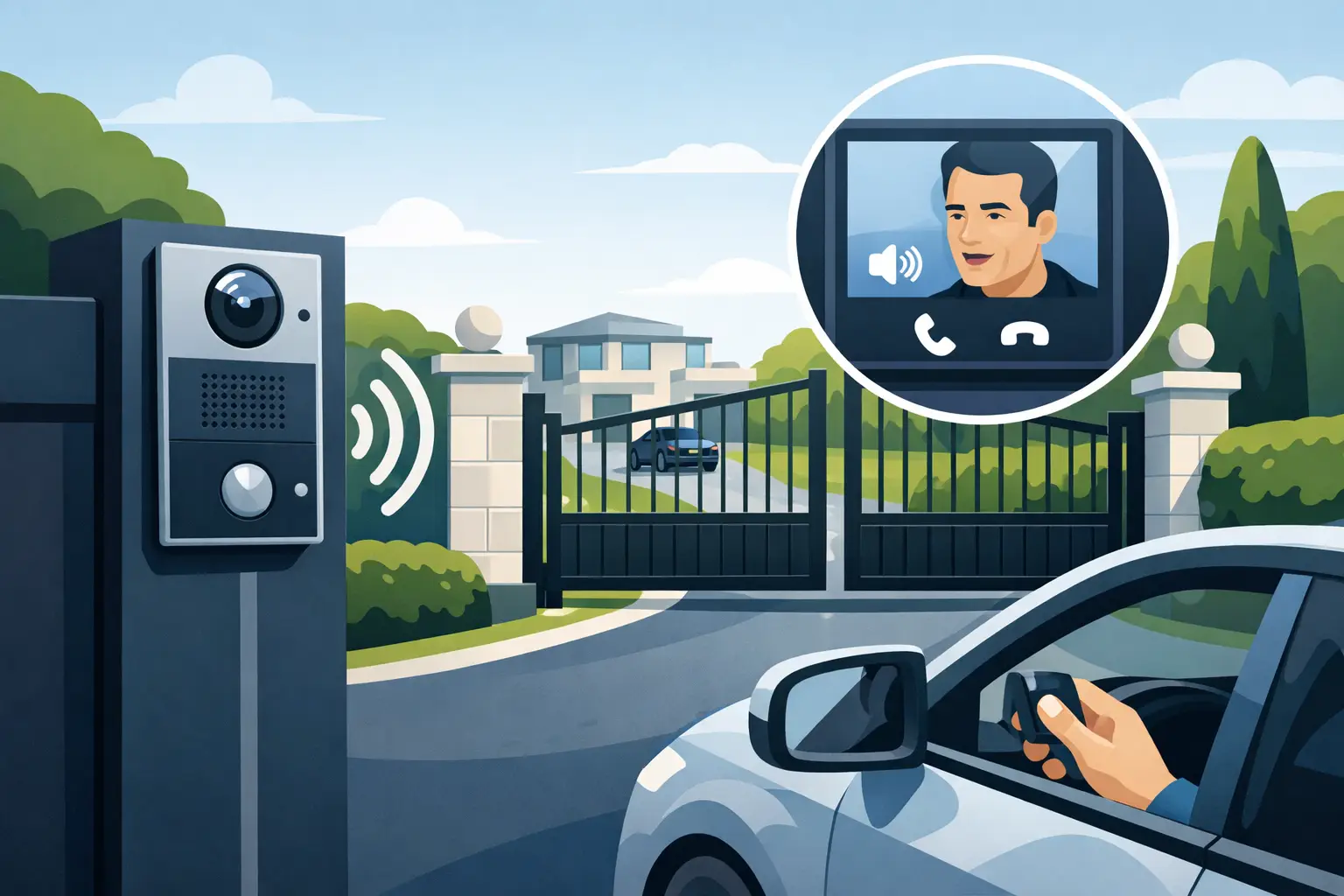
Gate Intercom System for a Private Driveway
Choose a gate intercom system for private driveway access with clear video, reliable calling and professional installation advice for lasting control daily

How Long Should CCTV Recordings Be Kept?
How long should CCTV recordings be kept? Learn the right retention period for homes, landlords and businesses, with practical UK guidance.

The Future of Smart Perimeter Detection UK
The future of smart perimeter detection helps UK owners plan cameras, lighting and alerts for clearer evidence, faster action and safer sites at night.
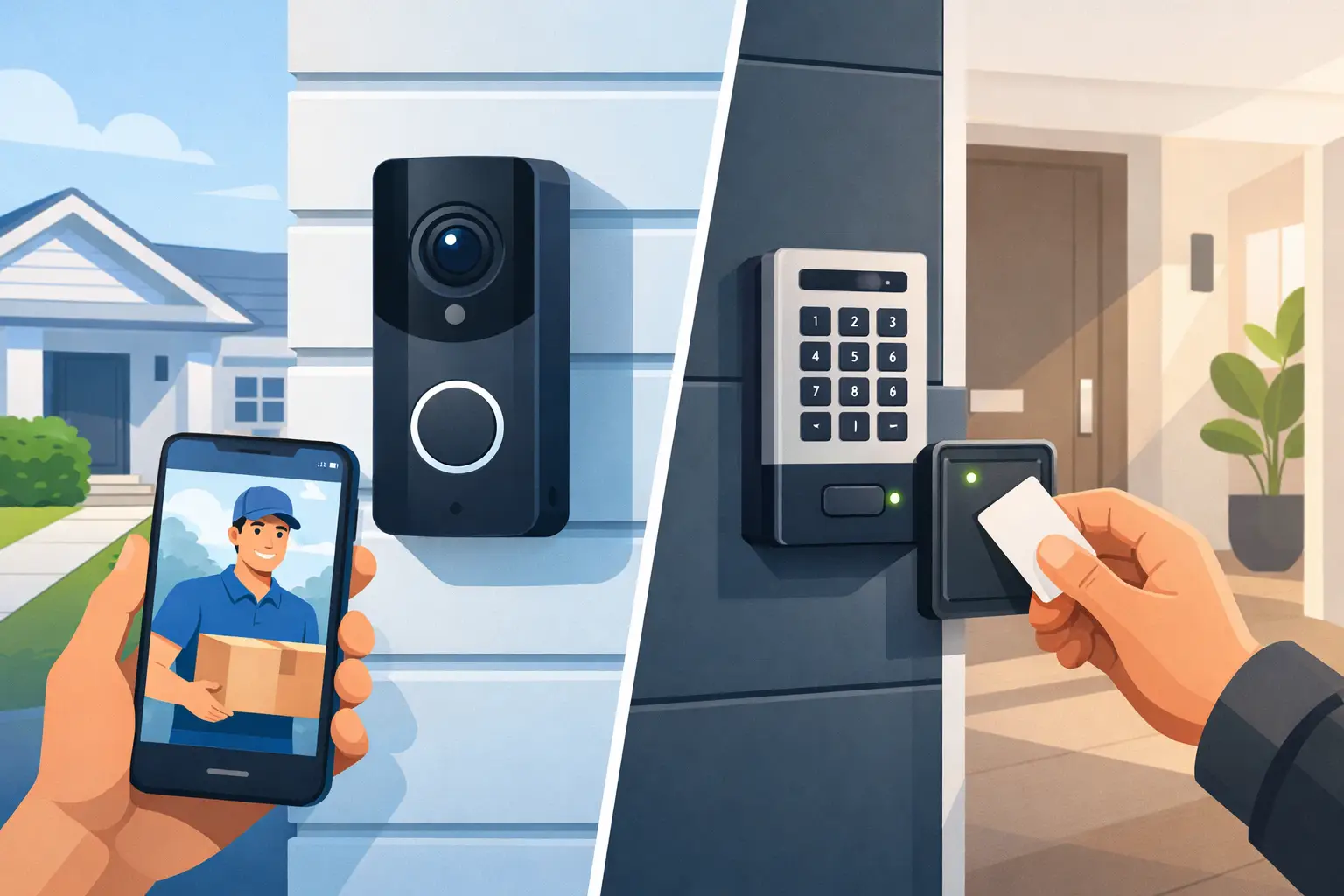
Video Doorbell vs Door Entry for Your Property
Compare video doorbell vs door entry systems for homes, flats and businesses. Choose practical access control, reliable visibility and support that lasts.

Video Door Entry for Safer Premises
Video door entry gives homeowners and businesses better control of visitors, access and accountability with clear, professionally installed systems.

Choosing a Panic Button Alarm for Home Security
A panic button alarm for home gives you a fast way to raise an alarm. Learn where it helps, key features and why professional fitting adds confidence.

Why Security Consultation Before Installation Matters
Security consultation before installation helps you choose the right CCTV, alarms and access control for proper coverage, compliance and value.

How Many Cameras for Office Security?
Find out how many cameras for office security you really need, based on layout, risk points, blind spots, lighting and day-to-day use.
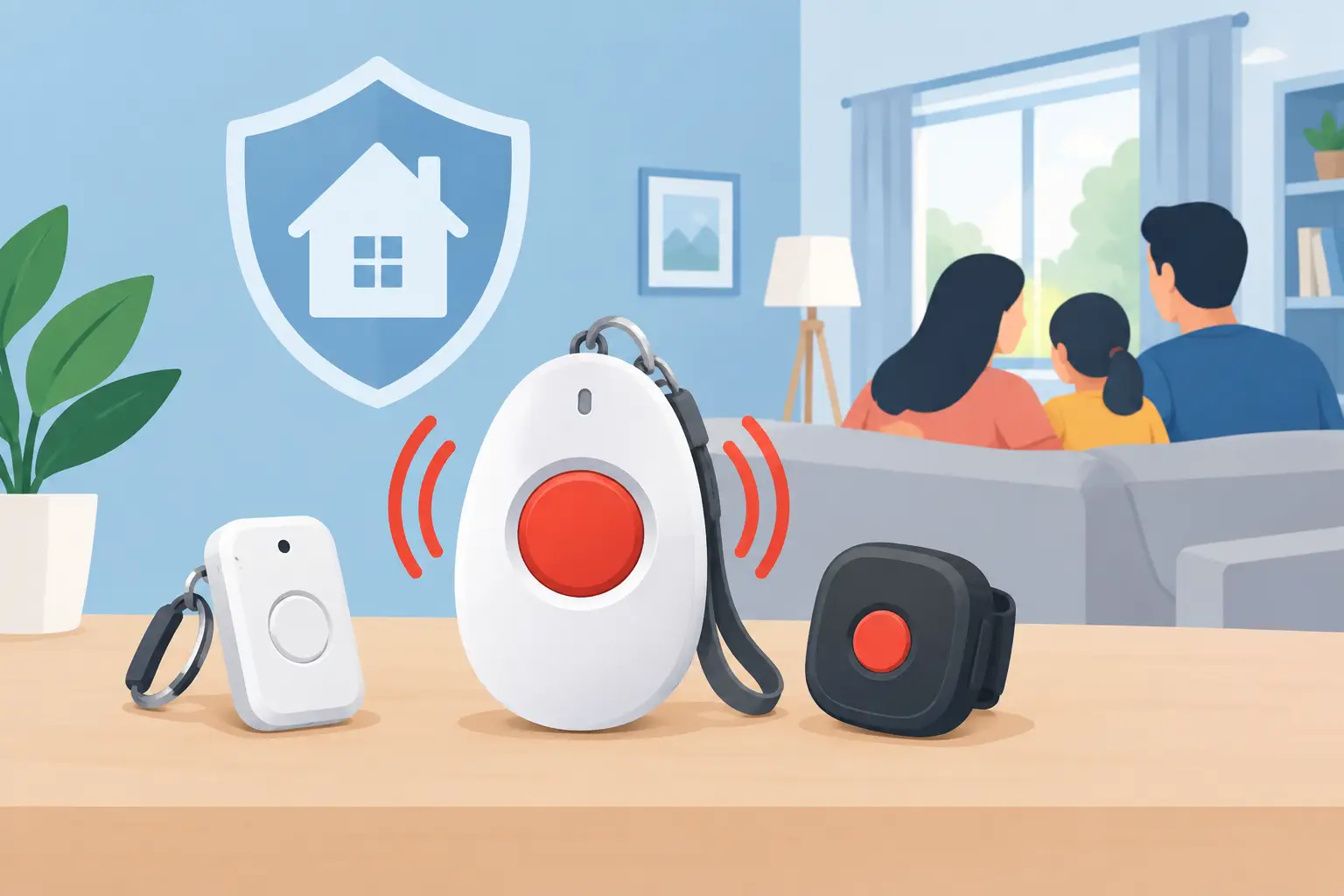
Best Panic Alarms for Homes and Families
Compare the best panic alarms for homes, from personal buttons to monitored systems, and choose reliable protection for your family, home and property.