


CCTV for warehouses and yards helps deter theft, protect stock and improve visibility with smart, professionally planned coverage day and night.
Best Panic Alarms for Homes and Families
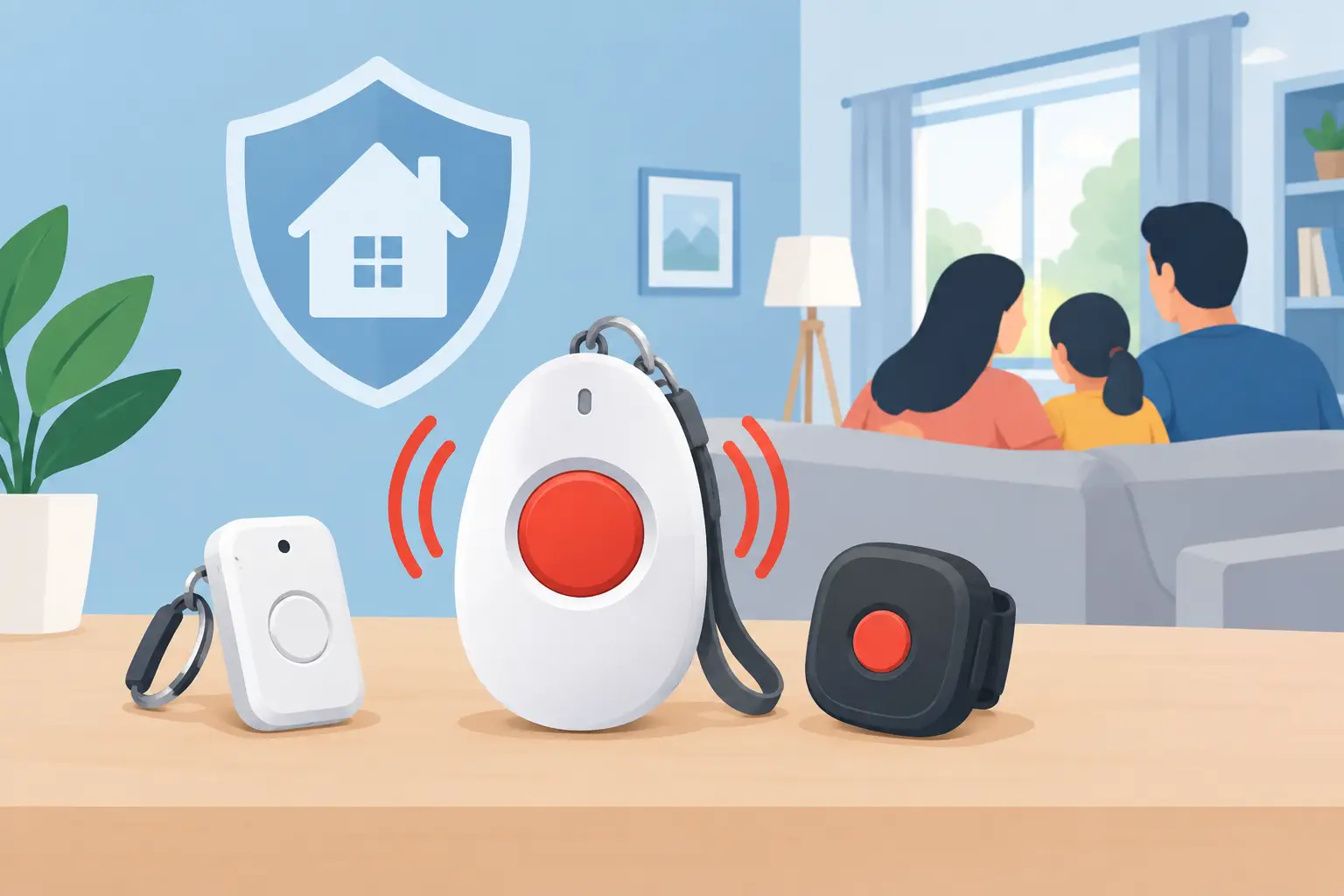
A panic alarm should be easy to use on the worst day, not impressive only in a product brochure. The best panic alarms for homes give you a fast, unmistakable way to call for help when someone is at the door, an intruder has entered, a vulnerable relative feels unsafe, or a medical or personal safety incident is unfolding. The right choice depends on who needs protection, how quickly others must be alerted, and whether you need a professional response as well as a loud warning.
For many households, a panic button is most effective when it forms part of a properly designed intruder alarm system. It can alert people in the property, notify nominated keyholders through an app and, where a monitoring arrangement is in place, send an alarm to a monitoring centre. That is a very different level of protection from a standalone siren bought off the shelf.
What makes a home panic alarm effective?
A panic alarm has one job: it must work without hesitation. In a genuine emergency, nobody should need to find a phone, remember a passcode, open an app or explain what has happened before raising the alarm.
The strongest systems combine a clearly positioned physical button with dependable communications. A press of the button should trigger the agreed response immediately, whether that means internal and external sounders, app alerts, a call to keyholders, CCTV recording, or escalation through a monitoring service. The exact configuration matters. A loud external siren may deter an intruder and draw attention from neighbours, while a silent hold-up alarm can be more appropriate if drawing attention could increase risk.
Reliable power and signal paths also matter. A professional wireless alarm system uses supervised devices, meaning the control equipment can report a low battery, interference, tampering or a device that has stopped communicating. That provides considerably more reassurance than a basic wireless bell that only reveals a problem when it is needed.
The best panic alarms for homes by situation
There is no single best option for every property. The right system starts with the risk you are addressing rather than the number of features on the box.
A panic button within a smart intruder alarm
For most homeowners, a wireless panic button connected to a quality intruder alarm is the best all-round choice. It can sit beside the bed, near the front door, in a home office or wherever a resident may need to summon help quickly. Portable versions can be kept on a keyring or carried between rooms.
Systems such as Ajax can be configured with discreet panic buttons, alarm keypads and smartphone control, making them suitable for homes where residents want straightforward everyday operation without losing security capability. Depending on the setup, a panic event can activate sirens, send push notifications and notify designated contacts.
This approach is particularly useful where the home already needs protection against burglary. Door contacts, motion detectors, glass-break detection and panic activation can work together under one control system. Instead of fitting separate devices with separate apps and batteries, the property has one managed security platform.
The trade-off is that the alarm needs correct design, placement and commissioning. A button placed out of reach is not much use. Nor is an app-only alert arrangement where keyholders may miss a notification overnight.
A monitored panic alarm
A monitored alarm is the sensible choice for people who need a defined response beyond family members receiving an alert. This may include older residents living alone, households with a known security concern, or properties that are empty for long periods.
When a panic signal reaches a monitoring centre, trained operators can follow an agreed response plan. That plan might include contacting keyholders, checking alarm verification where available, or escalating according to the monitoring service and police response criteria. It is vital to be clear about what a service does and does not provide. A monitored alarm does not automatically guarantee an immediate police attendance in every circumstance.
Monitoring adds an ongoing cost, but it reduces reliance on a neighbour noticing a siren or a relative seeing their phone at the right moment. For the right household, that extra layer is worthwhile.
A silent hold-up alarm for higher-risk situations
Some situations call for discretion. A resident dealing with harassment, a person working from home with valuable stock, or a household concerned about a targeted threat may prefer a silent panic activation. Rather than sounding a siren immediately, it sends a covert alert to nominated responders or monitoring.
This should never be chosen casually. A silent response plan needs to be discussed properly, particularly if other household members expect an audible alarm. It may be best to configure separate alarm types: one panic action that sounds the property alarm and another that sends a silent alert.
A simple personal alarm
A small personal alarm can still be useful for an individual, especially near the front entrance, in a garden office or when travelling to and from the property. These devices usually emit a high-pitched sound when activated, helping attract attention and potentially discouraging an attacker.
However, a personal alarm is not a substitute for a home security system. It may not notify anyone remotely, record an event or continue working once its battery is depleted. Think of it as a personal safety accessory, not a complete household response solution.
Where should panic buttons be installed?
Placement is as important as the alarm itself. The best location is where a person can reach it during an incident without crossing the area of risk. In most homes, that means more than one location.
A bedside panic button makes sense for night-time intrusion concerns. A fixed button near the principal entrance can help if a caller becomes threatening. A discreet option in a home office is useful for people who meet clients, take deliveries or work alone. In larger properties, portable buttons provide coverage between rooms, although they should have an agreed home location so they are not misplaced.
Avoid placing every control device in obvious locations. An intruder should not be able to identify and interfere with the system as soon as they enter. Professional installers consider entry routes, room use, radio signal strength, likely escape routes and how the system will be used by every member of the household.
Pair panic alarms with visible evidence
A panic alarm raises the alert. CCTV can show what caused it.
A well-designed camera system covering approach routes, doors and key internal areas gives homeowners useful evidence and live visibility during an incident. Modern cameras with intrusion-triggered illumination and colour night coverage can make a meaningful difference where a conventional low-light image would only show shadows. If an alarm activates, a camera view on your phone can help you assess whether someone is outside, whether a delivery driver has returned, or whether a genuine threat requires immediate action.
Cameras should support, not replace, a panic alarm. Watching an incident develop is not the same as being able to raise an immediate alert. Together, the two systems provide both response and visibility.
Questions to ask before choosing a system
Before comparing products, establish what must happen after the button is pressed. Who receives the alert? Does the property need an audible siren, a silent signal, or both? Will somebody reliably respond at night? Does the system need to protect a resident who may struggle with a smartphone or keypad?
Also ask how the alarm communicates. A system relying solely on home broadband may be less suitable where resilience is critical. Battery backup, mobile communication options and tamper notifications should be considered as part of the design. This is where a site survey is valuable: it identifies practical issues such as detached garages, garden rooms, thick walls and weak wireless signal areas before equipment is selected.
Finally, consider support after installation. Batteries, user codes, changes in household circumstances and app access all need managing over time. A correctly installed system with clear handover and ongoing support is easier to rely on than a collection of DIY devices that nobody fully understands.
NRI Security takes a consultative approach to specifying panic and intruder alarm systems, with a free site survey and no-obligation quotation. The aim is not to sell the largest system, but to give the property the right protection and a response plan that works in real life.
A panic alarm earns its place by being simple, reachable and dependable. Choose one around the people in the property and the help they need, then test it regularly so that, if it is ever required, everyone knows exactly what happens next.

Guide to Commercial Access Control
A practical guide to commercial access control, covering entry methods, system design, user management, compliance and long-term reliability.

CCTV Cameras Versus Video Doorbells Compared
CCTV cameras versus video doorbells: compare coverage, deterrence and installation to choose dependable protection for your home or business premises.

CCTV Maintenance Contract for Small Businesses
A CCTV maintenance contract for small businesses keeps cameras, recording and remote access reliable, compliant and ready when incidents happen.
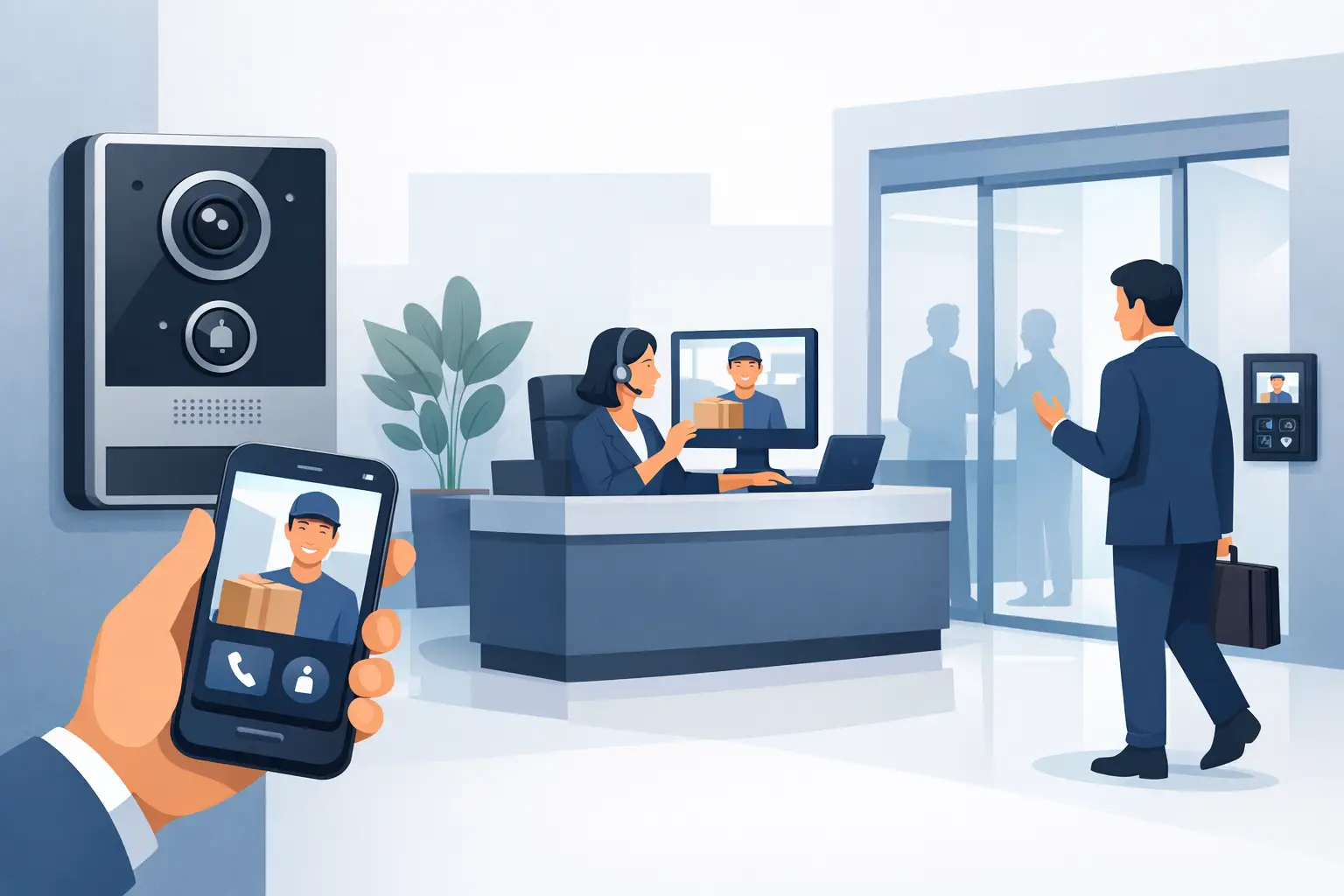
Choosing Video Door Entry for Office Reception
Video door entry for office reception gives staff controlled access, clear visitor checks and reliable records. Learn what the right system should include.

How to Choose CCTV Installers Near You
Searching for professional cctv installers near me? Learn what to look for, what to avoid, and how to choose a system that fits your property.

Best Security Cameras for Shared Entrances
Find the best security cameras for shared entrances, with practical advice on privacy, image quality, access control and proper installation.
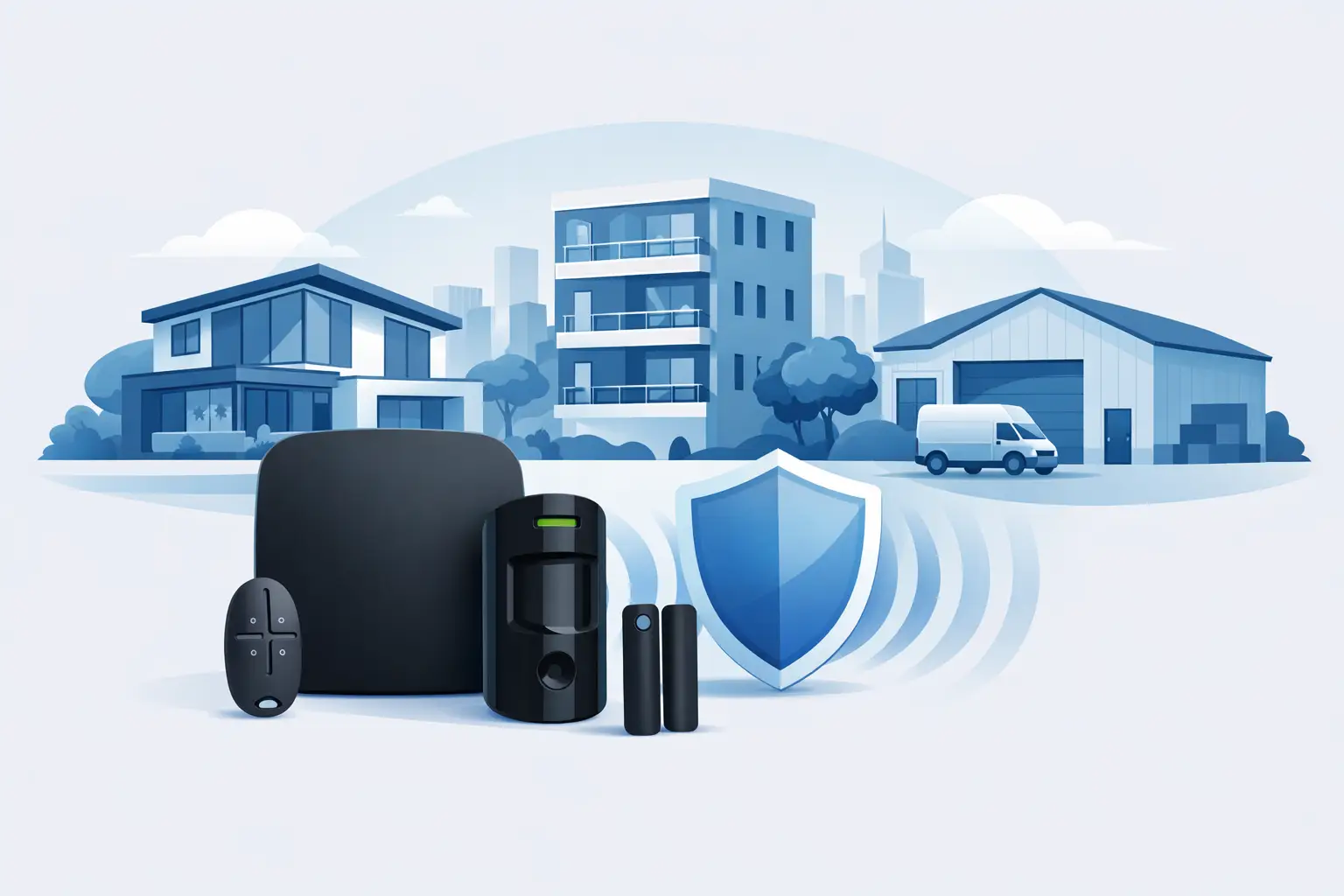
Ajax Alarms: Protection That Fits Your Property
Ajax alarms give homes and businesses reliable intrusion detection, instant alerts and simple control. See how professional design makes protection count.

Colour Night Vision CCTV Cameras: Worth It?
Colour night vision CCTV cameras capture clearer detail after dark, helping you identify people and vehicles. Learn how they work and where they fit.

Wireless Alarm Reliability: What Really Matters
Wireless alarm reliability depends on design, signal strength, power and support. See what a professional installation checks before an alarm is needed.

Remote Monitoring Systems That Put You in Control
Remote monitoring systems give homeowners and businesses live visibility, faster alerts and practical control over CCTV, alarms and access points daily.

Access Control That Fits the Way You Work
Access control helps you manage who enters, when, and how. See what matters most for homes, offices, flats, and managed buildings.