
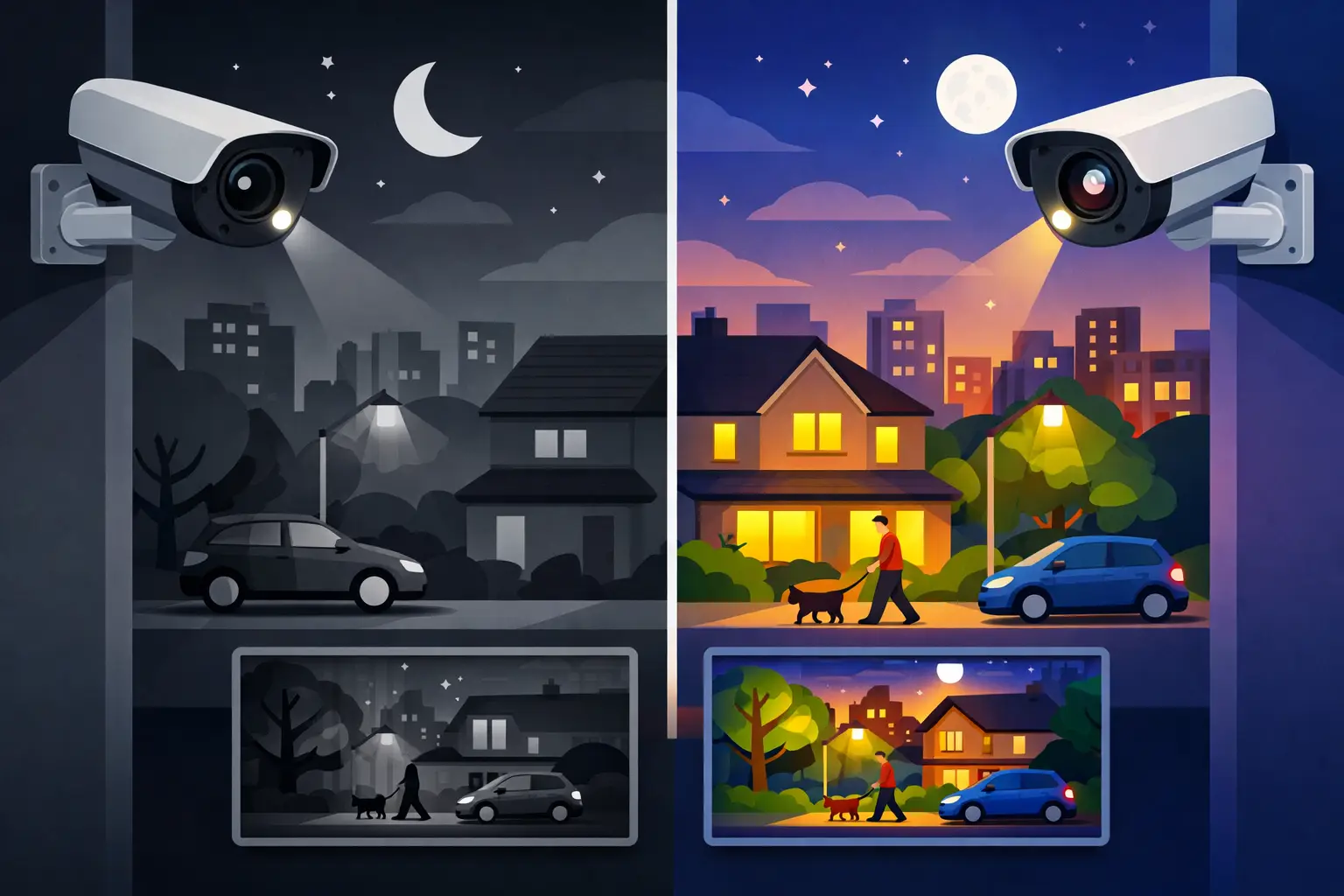


Understand what is full colour night CCTV, how it records useful colour after dark, and why camera placement and lighting still matter on every site.
Guide to Door Entry for Multi Tenant Buildings

The front door of a shared building does more than open and close. It sets the standard for security, convenience and accountability every single day. A good guide to door entry for multi tenant buildings starts there, because the right system is not just about letting people in – it is about controlling who gets access, when they get it, and how clearly you can manage that process when something goes wrong.
In flats, office buildings, nurseries and other multi-occupancy sites, entry points deal with constant traffic. Residents, staff, visitors, deliveries and contractors all need different levels of access. If the system is too basic, it creates workarounds and weak spots. If it is overcomplicated, people stop using it properly. The best result sits in the middle – strong control, straightforward day-to-day use, and dependable performance backed by proper installation and support.
What a door entry system needs to do
At a minimum, a multi tenant door entry system should verify visitors, control release of the main entrance and give occupants a simple way to respond. In practice, most sites need more than that. They also need auditability, reliable performance during busy periods, and equipment that matches the building layout rather than forcing the layout to work around the equipment.
That is why there is no single best setup for every site. A converted house with four flats has very different demands from a managed block, a nursery with safeguarding obligations, or a shared office where multiple businesses come and go throughout the day. The correct specification depends on footfall, risk level, user behaviour and how the property is managed.
Guide to door entry for multi tenant buildings: choosing the right type
Audio-only entry still has a place in some low-risk environments, but most decision-makers now prefer video. Being able to see who is outside gives occupants far better confidence before granting access, especially in buildings where not everyone recognises every visitor. Video also helps when parcel deliveries, out-of-hours callers or repeated nuisance visits become an issue.
IP video door entry is often the stronger long-term choice for multi tenant sites because it offers better flexibility, clearer image quality and easier integration with wider security systems. If your property already depends on networked infrastructure, an IP-based setup can make much more sense than older standalone systems. It allows for a more modern management approach and can support internal monitors, remote answering and additional entrances more effectively.
Power over Ethernet, or POE, is particularly useful here. It reduces cabling complexity by carrying power and data together, which can make installations cleaner and more reliable. In practical terms, that matters in communal areas where disruption needs to be kept under control and where future servicing should not turn into a guessing game.
Credentials matter as much as the panel
A common mistake is focusing only on the entrance panel and forgetting how occupants will actually use the system every day. Credentials shape the user experience. Keypad access can be convenient for temporary users or managed access periods. Cards and fobs tend to be quicker and easier for residents and staff. In some buildings, a combination works best.
For example, a block of flats may suit resident fobs with video calling for visitors, while a nursery may need staff fobs, controlled visitor handling and a stronger record of who entered and when. Offices often benefit from tiered access, where the main entrance operates differently from internal doors or restricted zones.
The trade-off is straightforward. The more flexible the credential options, the more carefully the system needs to be planned and administered. Convenience is valuable, but only if lost fobs, code changes and user permissions can be handled cleanly.
Why internal monitors still matter
Mobile access gets a lot of attention, but fixed internal monitors remain important in multi tenant buildings. A 7-inch monitor in a flat or office reception gives a clear, dependable way to answer calls, view visitors and release the door without relying entirely on a phone signal, battery level or app setting.
This is especially useful for sites with mixed users. Not every resident wants to answer the main entrance through a mobile device. Not every staff member should. In managed environments, a wall-mounted monitor often provides the most consistent experience, particularly where safeguarding, reception handling or front-desk accountability matter.
Android-based IP monitors can also improve usability because they offer a more familiar interface and often integrate better into broader site operations. The key point is not the screen size or operating system on its own. It is whether the equipment supports fast, confident decisions at the door.
Door entry and CCTV should work together
A guide to door entry for multi tenant buildings would be incomplete without addressing CCTV. Entry control tells you who requested access. CCTV helps show what actually happened before, during and after the door event. When those systems are considered together at the design stage, the result is much stronger.
This matters at communal entrances, side gates, service entrances and bin store routes where tailgating or forced access can occur. A camera positioned to capture faces at the point of approach, supported by proper lighting and suitable recording quality, gives far better evidence than a poorly placed overview camera. If your building has night-time vulnerability, smart illumination and intrusion-triggered full-colour coverage can make the difference between vague footage and usable identification.
There is also a deterrent effect. People behave differently when the entry point is clearly controlled and visibly monitored. For residents and staff, that reassurance counts. For unwanted visitors, it raises the barrier.
Installation quality decides how reliable the system feels
A door entry system can look good on paper and still fail in day-to-day use if the installation is rushed. Panel height, camera angle, lock release timing, network stability, monitor placement and door condition all affect performance. In shared buildings, even small setup errors become repeated frustrations because so many people interact with the system every day.
This is why a proper site survey is not a box-ticking exercise. It identifies practical issues early: cabling routes, lighting conditions, entry bottlenecks, gate or door compatibility, user groups and whether the property may need future expansion. It also helps avoid overspecifying. Not every building needs every feature, and a consultative installer should say that plainly.
Good installation is also about resilience. If there is a power issue, a damaged reader or a fault on a communal entrance, how quickly can the system be diagnosed and supported? Buyers often focus on hardware cost and forget the importance of after-sales support until the first problem appears.
The compliance and management side
For landlords, managing agents and facilities teams, door entry is partly a security decision and partly a management one. You need to know who controls permissions, how resident changes are handled, and what happens when a device is lost or a tenant moves out. In regulated settings such as nurseries, visitor handling procedures carry even greater weight.
This is where simpler can sometimes be safer. A feature-rich system is only useful if the people responsible for it can manage it confidently. That may mean choosing a setup with fewer moving parts but clearer administration. It may also mean asking your installer to build around your real operating routine rather than an idealised one.
For many sites, the right answer is a balanced system with secure visitor verification, practical resident or staff credentials, clear internal monitors and dependable support behind it. That gives control without creating unnecessary friction.
When to upgrade an existing system
If your current entry setup suffers from poor audio, unreliable releases, limited parts availability or constant resident complaints, patching it may not be the best value. The same applies if your building has changed use or occupancy since the system was first installed. A small block that now sees frequent delivery traffic, short-term occupancy turnover or increased safeguarding expectations may have outgrown its original design.
Upgrading becomes more attractive when you can combine door entry improvements with wider security work. If you are already reviewing CCTV, lighting or perimeter protection, it makes sense to assess the entry points as part of one plan rather than as separate jobs. NRI Security often takes that consultative approach because a door entry system performs better when it is treated as part of the property’s wider protection, not an isolated panel on the wall.
The right system should leave occupants feeling in control, not dependent on guesswork. If your building’s entrance is still relying on outdated equipment or daily workarounds, that is usually a sign the setup needs a closer look. A clear site survey, honest advice and a system specified for the way your building actually works will always put you in a stronger position than buying on features alone.

Access Control That Fits the Way You Work
Access control helps you manage who enters, when, and how. See what matters most for homes, offices, flats, and managed buildings.

Smart Lighting CCTV That Actually Helps at Night
Security cameras with smart lighting improve night footage, deter intruders, and cut false alerts. Learn what matters, placement tips, and trade-offs.

Your Guide to Wireless Alarm Installation
Use this guide to wireless alarm installation to plan reliable protection, smart device placement, app control and ongoing support for your property today.

Video Door Entry for Safer Premises
Video door entry gives homeowners and businesses better control of visitors, access and accountability with clear, professionally installed systems.

CCTV Installation Cost in the UK: Real Budgets
Wondering how much does cctv installation cost uk? See realistic UK price ranges, what drives cost, and how to budget for a reliable system.

How to Plan Office Surveillance Properly
Learn how to plan office surveillance with the right camera positions, access points, privacy controls and night coverage for clear evidence.

Best Access Control Options for Landlords
Compare the best access control options for landlords, from fobs to IP video entry, and choose a secure, manageable system for every property with ease.

How to Connect CCTV to Your Phone Securely
Learn how to connect CCTV to phone securely, view live footage, receive useful alerts and protect your home or business wherever you are, with confidence.

Security Site Survey Guide for Safer Installs
A practical security site survey guide for homes and businesses. Learn what installers assess, what affects cost, and how to plan smarter protection.
How to Position Security Cameras Properly
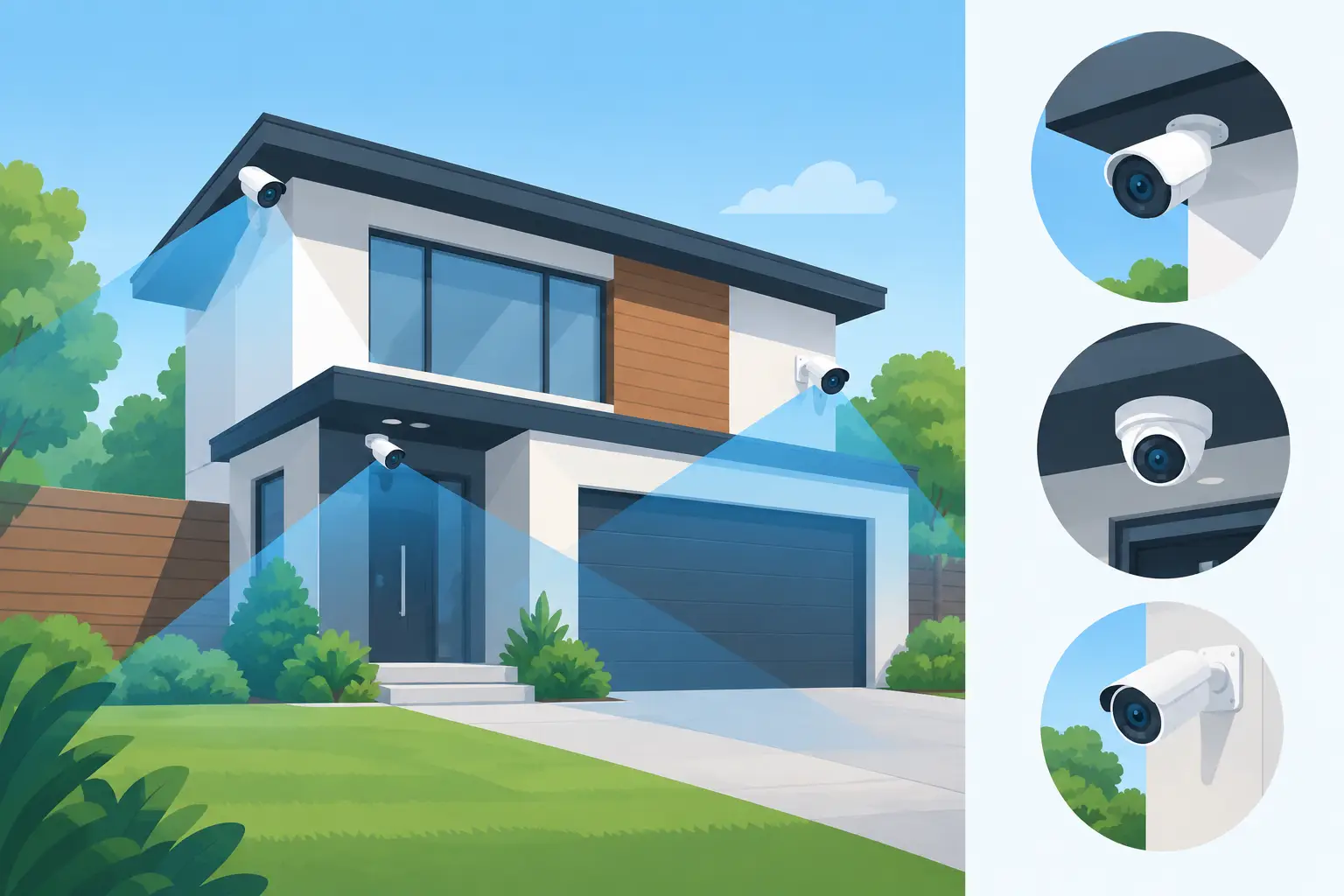
Learn how to position security cameras for clear evidence, safer access points and dependable night coverage at home or your business property every day.

Colour Night Vision CCTV Cameras: Worth It?
Colour night vision CCTV cameras capture clearer detail after dark, helping you identify people and vehicles. Learn how they work and where they fit.