
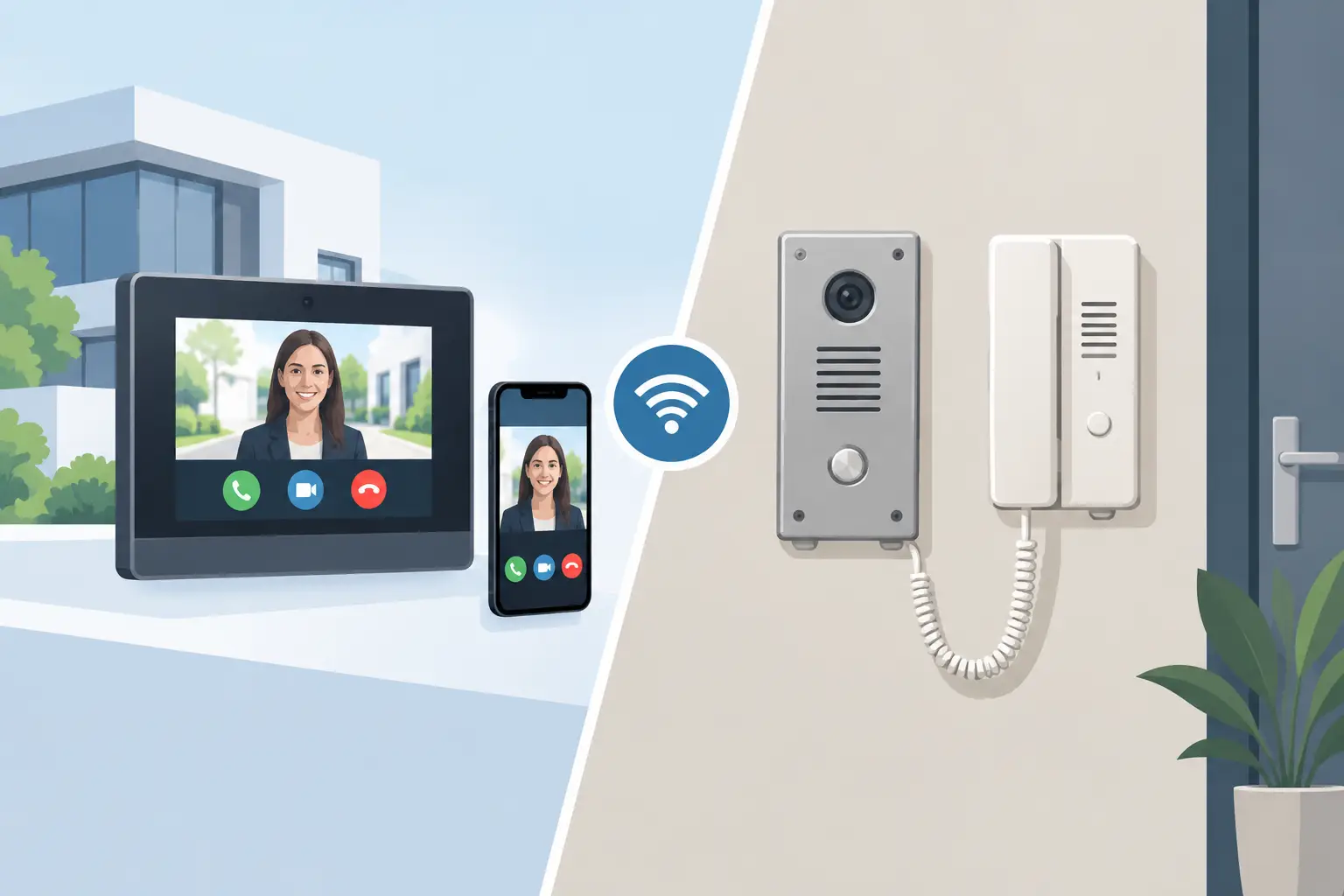


Compare IP intercom vs analogue intercom systems for homes, flats and businesses. Understand wiring, remote access, costs and the right fit for your site.
How to Improve Apartment Entry Security

A block of flats can feel secure right up until the front door starts doing too much work. Deliveries stack up, residents prop entrances open, trades come and go, and one weak point quickly becomes everyone’s problem. If you are looking at how to improve flat entry security, the answer is rarely one product on its own. The strongest results come from combining controlled access, clear visibility and reliable day-to-day use.
That matters whether you manage a small converted property with a handful of residents or a larger multi-occupancy building with regular visitor traffic. Entry security has to do two jobs at once. It must make access simple for the right people and difficult for everyone else.
How to improve flat entry security without creating daily friction
The biggest mistake in shared residential security is choosing a system that looks good on paper but is awkward in practice. If residents struggle to use it, doors get wedged open, credentials get shared, and basic procedures start slipping. Good entry security is not just about stopping intruders. It is about giving residents, landlords and facilities teams proper control over who gets in, when, and with a clear record when needed.
A sensible starting point is the main entrance itself. Many communal doors fail because the surrounding setup is weak. A strong lock is helpful, but if the door frame is poor, the closer does not pull the door shut, or the release is unreliable, the whole entry point is compromised. Before adding technology, the physical door, frame, closing action and release mechanism need to be assessed together.
From there, the most effective upgrade is usually a modern door entry system. In flat settings, audio-only access can be enough for some properties, but video entry gives a far stronger level of accountability. Residents can see who is calling, not just hear a voice through background noise. For managed sites, that extra visibility cuts down on guesswork and makes tailgating or false claims harder to get away with.
Start with access control that suits the building
Not every block needs the same type of access control. A smaller building may work well with a keypad and resident monitors, while a busier site often benefits from multiple credential options such as fobs, cards and coded access for authorised users. The key is matching the system to the pattern of use.
In practice, that means thinking about residents, cleaners, caretakers, deliveries and occasional contractors. If too many people rely on one shared code, that code will travel. If every visitor depends on a resident answering immediately, people will start bypassing the system. Better planning gives you layers of control without making entry difficult for legitimate users.
IP video door entry is often the right fit because it gives a more flexible foundation. A well-specified system can connect door stations and internal monitors cleanly over PoE, keep cabling straightforward, and give residents a clear, dependable way to manage visitors. Seven-inch Android-based monitors are particularly practical in shared buildings because they are easy to use, provide clear visual identification and feel familiar rather than technical.
There is also a management advantage. Lost fobs can be removed, access permissions can be reviewed, and user changes are easier to handle than replacing physical keys throughout a building. For landlords and managing agents, that reduces long-term disruption. For residents, it means the building stays controlled even when occupancy changes.
CCTV should show what happened before, during and after entry
If you are serious about how to improve flat entry security, CCTV should not be treated as an afterthought. A camera above the entrance is not the same as a properly designed surveillance plan. You need useful footage, not just the presence of equipment.
The most effective setup usually covers the approach to the building, the entrance itself and the immediate internal side of the communal door. That gives you context. You can see whether someone arrived alone or followed another resident in, whether they loitered before trying the door, and what happened once entry was gained.
Image quality matters more than camera count. If faces wash out under poor lighting or night footage turns into blur, the system is not doing its job. This is where newer surveillance technology makes a real difference. Smart illumination and intrusion-triggered full-colour night coverage can provide much more actionable visibility than standard low-detail monochrome night footage. When an incident happens at the entrance, being able to identify clothing, movement and facial detail is far more useful than reviewing shadowy shapes the next morning.
Placement matters just as much. A badly positioned camera can be blocked by hoods, glare, canopies or the door itself. That is why a site survey is worth more than a guess from a product brochure. Entrance surveillance should be designed around viewing angles, light conditions and how people actually move through the space.
Lighting is part of security, not a separate job
Poor lighting weakens both CCTV and human awareness. Residents approaching the entrance should be able to see clearly, use credentials without hesitation and notice if someone is lingering nearby. At the same time, cameras need consistent lighting to capture reliable evidence.
This does not always mean keeping everything brightly lit all night. In some locations, smart illumination tied to movement or intrusion activity is the better option. It improves visibility where it matters while avoiding unnecessary light spill or wasted energy. The right balance depends on the layout of the entrance, nearby parking, public pavement access and resident expectations.
What matters is avoiding dark approach routes, heavy backlighting and blind spots near entry panels. If visitors cannot be seen clearly at the door station, the whole point of video verification is weakened.
Shared buildings need rules as well as hardware
Even the best installation cannot compensate for poor building habits. In blocks of flats, security failures often come from normal routine rather than forced entry. A resident lets someone in without checking. A delivery is left to wait and another occupier opens the door out of convenience. A tradesperson is given a code that never gets changed.
That is why good flat entry security includes simple procedures residents can follow. Those procedures should be realistic. Telling people never to admit anyone unless pre-approved may sound strict, but it is not always practical in a lived-in building. A better approach is to give residents clear expectations: verify callers on the monitor, never share credentials casually, report doors that do not latch, and flag repeat unknown visitors early.
For managed properties, this is where accountability matters. If access events can be linked to issued credentials and there is supporting CCTV at the entrance, problems become easier to investigate and easier to correct.
Think beyond the front door
The front entrance is the priority, but it should not be treated in isolation. Secondary access points often undermine the main system. Side gates, bin store entrances, rear service doors and internal corridors can all become easy routes if they are left outside the security plan.
A proper assessment looks at how someone might avoid the principal entrance altogether. In some buildings, the answer is as simple as improving gate control and adding coverage to a side path. In others, it means extending access control to multiple doors and linking the system so management is not working across disconnected equipment.
This is also where professional specification pays off. Overcomplicating the system can frustrate residents and increase faults, but under-protecting secondary areas leaves obvious gaps. The right setup is the one that matches the building, occupancy and risk level rather than forcing every site into the same package.
Professional installation makes the difference
There is a reason entry security in shared buildings should be planned properly. Blocks of flats have more variables than single dwellings: multiple users, visitor traffic, communal responsibility and greater consequences when a weakness develops. A badly fitted entry panel, unreliable release, poorly aimed camera or weak network design can create daily issues that residents live with for years.
Professional installation is not about adding equipment for the sake of it. It is about getting the basics right first, then building a system that people can rely on. A consultative survey should look at the entrance layout, resident use, lighting conditions, management needs and likely pressure points before any recommendation is made. That is how you avoid paying for the wrong system or missing the features that really matter.
For many landlords, residents’ associations and facilities teams, the right answer is a combination of IP video door entry, properly placed CCTV and lighting that supports identification at the point of access. When those elements are designed to work together, the entrance becomes easier to manage and much harder to exploit. That is the sort of practical protection NRI Security focuses on – control where it counts, clear visibility when it matters, and support after installation rather than silence once the job is done.
If your entrance security currently relies on habit, luck or an ageing door system, that is usually the sign it is time to reassess the whole entry point rather than patch another weak spot.
How to Protect Vacant Property From Intruders
Learn how to protect vacant property with practical CCTV, lighting, access and inspection measures that deter intrusion and reveal on-site problems early.

Where Should CCTV Cameras Go?
Learn how to choose CCTV camera placement for homes and businesses, with practical advice on entrances, blind spots, lighting and privacy.

Intrusion Line Triggered CCTV: A Practical Guide
Intrusion line triggered cctv captures the moment someone crosses a boundary, improving night footage, alerts and evidence without constant false alarms.

Do I Need Signs for CCTV in the UK?
Do I need signs for CCTV in the UK? Learn when CCTV signs are required, when they help, and how to stay compliant at home or work.

Best Video Door Entry Monitors for UK Properties
Compare the best video door entry monitors for homes, flats and workplaces, with clear advice on screens, POE, access control and installation choices.

Why Fully Insured Security Installers Matter
Choosing fully insured security installers protects your property, budget and liability while ensuring CCTV, alarms and access control are fitted properly.

Managed Building Entry Systems Explained
Managed building entry systems give flats, offices and nurseries tighter access control, clearer accountability and simpler day-to-day use.
Best Commercial Security System Features
Compare the best commercial security system features for dependable CCTV, controlled entry and faster response across offices, flats and managed sites.

Ajax Wireless Alarm Review for Homes and Firms
Ajax wireless alarm review for homeowners and businesses. See where it excels, where it has limits, and whether professional installation is worth it.
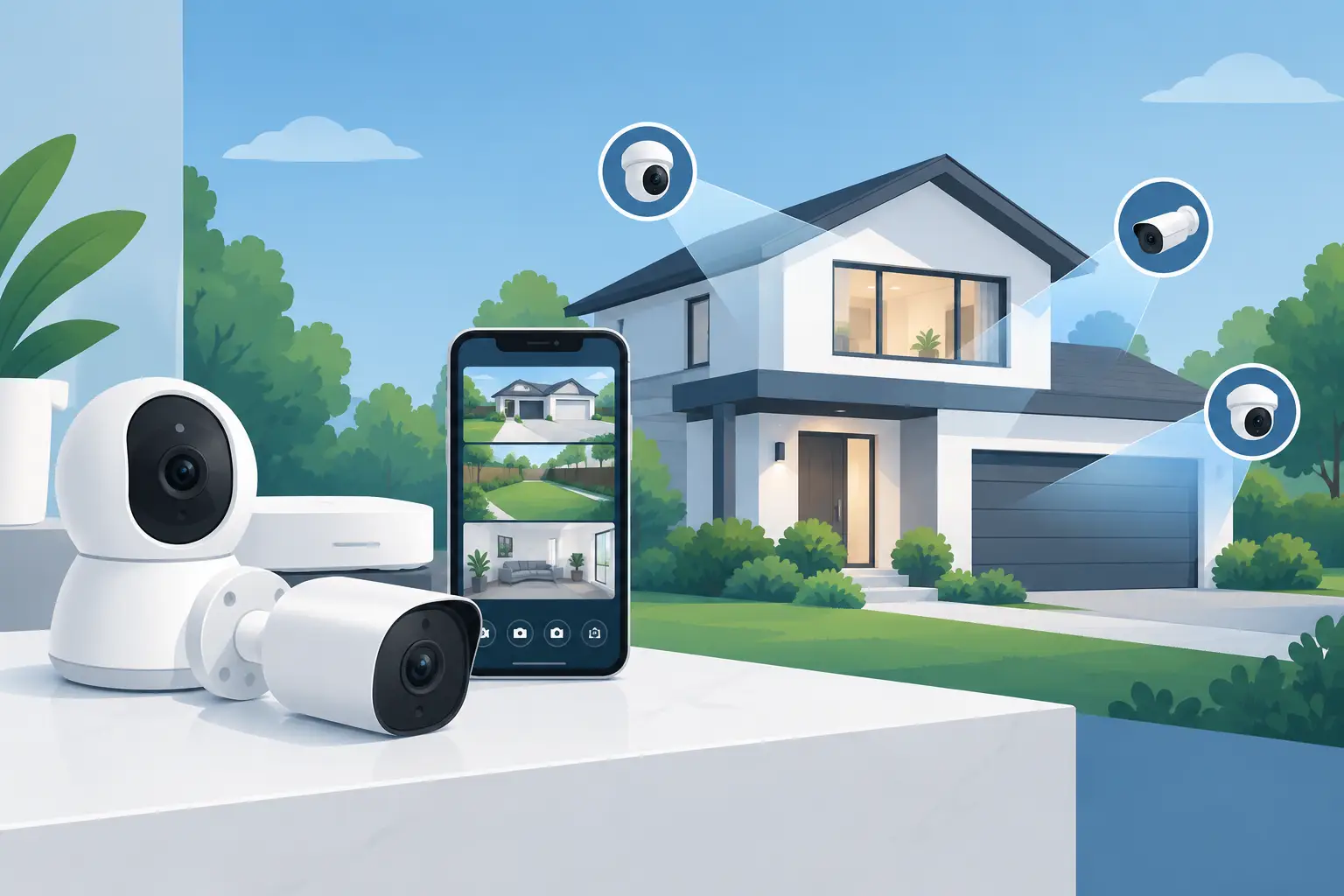
Home CCTV Selection for Better Protection
Make home CCTV selection straightforward. Learn how camera placement, night coverage, recording and professional installation protect your property daily.

How to Secure Shared Entrances Properly
Learn how to secure shared entrances with the right door entry, CCTV, lighting and access control for flats, offices and managed buildings.