


Wireless alarm reliability depends on design, signal strength, power and support. See what a professional installation checks before an alarm is needed.
Home CCTV Selection for Better Protection
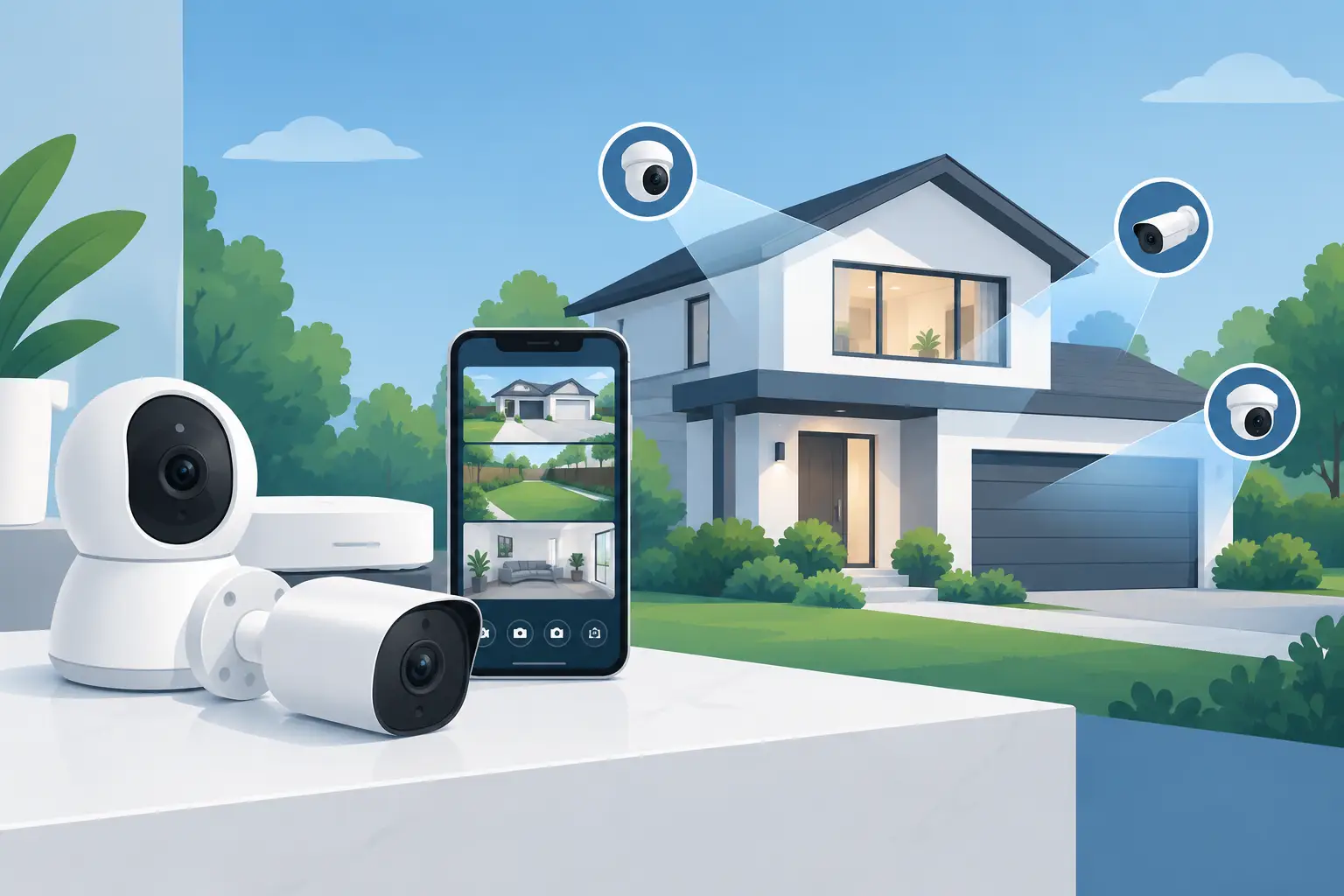
A camera above the front door may record a face, but it will not necessarily show where that person came from, what they did at the side gate or where they went next. That is the difference between buying cameras and making the right home CCTV selection. Effective protection starts with a clear view of the risks around your property, then builds the system around them.
For most homeowners, the priority is simple: deter unwanted visitors, see what has happened when an alert is raised, and check the property from a mobile phone when away. The equipment matters, but camera position, lighting, recording settings and professional configuration matter just as much. A poorly positioned high-specification camera can still leave the crucial evidence in shadow.
Home CCTV Selection Starts With the Property
Start at the perimeter rather than with a camera model. Walk around the property in daylight and after dark. Consider the driveway, front entrance, rear garden, side access, garage, shed and any shared or less visible routes into the property. A terraced house with a narrow passage has different requirements from a detached home with several access points, outbuildings and a long drive.
The question is not simply, “Where can a camera see?” It is, “What needs to be identified, and at what point?” A wide view of a garden is useful for awareness, but a camera covering an entrance needs to capture faces clearly. A driveway camera may need to read vehicle movement and provide usable detail at the gate or parking area. These are different jobs, and they may call for different lens angles and camera positions.
Good coverage also creates continuity. If someone approaches from the street, moves through a side passage and reaches the rear door, the footage should establish a sensible sequence. One camera can cover more than one area in some homes, but trying to make every camera do every job often creates blind spots or produces footage that is too wide to be useful.
A site survey is valuable because it identifies issues that are easy to miss from a product description: trees that block a view in summer, glare from a neighbour’s light, a porch that casts a deep shadow, or a cable route that needs protecting. It also prevents the common mistake of fitting a camera where it is easiest to install rather than where it will provide the strongest evidence.
Choose Cameras for Identification, Not Just Resolution
Resolution is part of the decision, but it is not a guarantee of clear evidence. Higher-resolution cameras can provide more detail, particularly across a driveway or garden, but they also need appropriate recording capacity and a suitable field of view. If a camera is mounted too high or covers too broad an area, extra pixels alone will not solve the problem.
For a typical home, fixed turret or dome cameras are often well suited to entrances, paths and patio doors. Bullet-style cameras can be a clear visual deterrent and may be useful where a longer, directed view is needed. The best choice depends on the location, the desired image angle and how obvious you want the security presence to be.
Night performance deserves the same attention as daytime picture quality. Conventional infrared cameras can show activity after dark, but the resulting monochrome image may not reveal the colours of clothing, vehicles or other details that help establish what happened. Where there is a genuine risk around a perimeter or access route, smart illumination and intrusion-triggered colour night coverage can provide a much more actionable image at the point it matters.
This does not mean every camera needs a bright light operating all night. Excessive illumination can disturb occupants and neighbours, attract attention for the wrong reasons and reduce the effectiveness of the installation. The right approach is controlled lighting that supports the camera when movement or an intrusion line is detected. It gives the system a chance to capture colour detail while making it clear to an intruder that they have been seen.
Recording Is Where a CCTV System Proves Its Worth
Live viewing on a mobile app provides reassurance, especially when you are at work, travelling or receiving a motion alert. Yet the recording system is what allows you to review an incident properly. A professionally specified recorder should be matched to the number of cameras, their resolution, the frame rate required and the length of footage you want to retain.
Many systems can record continuously, on motion detection, or with a combination of both. Continuous recording is helpful in busy or sensitive areas because it avoids reliance on motion settings. Motion-based recording can reduce unnecessary footage and make review quicker, but it must be configured carefully. A camera triggered by every passing car, moving branch or change in sunlight soon becomes difficult to use.
Smart detection can improve this by distinguishing people and vehicles from general movement. It is a practical feature, not a magic fix. Detection zones, sensitivity and notification schedules should be set around normal life at the property. A family with children, pets and regular deliveries needs a different alert plan from a home that is empty during business hours.
Cloud storage can suit some requirements, but local network video recording remains a strong option for many properties. It offers direct control over footage retention and avoids making every recording decision dependent on a subscription or internet connection. In some cases, a combination of local recording and selected remote backup provides extra reassurance. The appropriate arrangement depends on how critical the footage is and how the household wants to manage ongoing costs.
Make Remote Viewing Secure and Simple
Remote access should put coverage in the palm of your hand, not introduce another security concern. A properly installed IP CCTV system can allow authorised users to see live images, review recordings and receive relevant alerts through an app. The system should be configured with secure credentials, individual access where needed and sensible notification settings.
Wired IP cameras with Power over Ethernet, commonly known as POE, are often the preferred choice for dependable fixed coverage. One cable provides power and data, avoiding the need to rely on batteries or a fluctuating wireless signal at each camera. Wireless cameras can have a place where cable routes are genuinely impractical, but they should be selected with care. Wi-Fi range, battery maintenance and the reliability of the home network all affect their real-world performance.
Your broadband connection matters primarily for remote viewing and alerts. The cameras and recorder can continue recording locally if the internet drops, provided the system has been designed that way. This is an important distinction for anyone who assumes that a camera is protecting the home simply because it appears online in an app.
Consider Privacy Before Installation
CCTV should protect your household without creating unnecessary intrusion into neighbouring homes or public areas. Position cameras to focus on your boundary, entrances and land wherever possible. If a view unavoidably includes a public pavement or a neighbour’s property, seek practical guidance on privacy settings, signage and the responsible handling of footage.
Audio recording requires particular care. Sound can capture far more personal information than an image, so it is rarely the default answer for a domestic installation. Privacy masking can also be used where part of an image does not need to be recorded, such as a neighbour’s garden or window.
A clear, considered design protects more than the property. It helps ensure that footage is useful, proportionate and easier to manage should an incident occur.
Do Not Treat Installation as an Afterthought
Camera height, cable containment, network configuration and recorder placement all influence reliability. The recorder should be located where it is secure, ventilated and not obvious to someone entering the property. External equipment needs suitable weather protection, and cable routes should be neat, protected and planned to avoid future disruption.
Professional installation also gives you a working system rather than a collection of devices. This includes setting image angles, testing night performance, configuring recording and alerts, showing you how to use the app, and being available if support is needed later. NRI Security approaches each design through a free site survey and no-obligation quotation, so the recommendation is based on the property and your priorities rather than a pre-set package.
The right system should feel straightforward every day. You should know where your cameras are looking, what will trigger an alert, how long footage is kept and who can access it. When those decisions are made before installation, your CCTV becomes a dependable part of how you protect the people and property that matter to you.

Why Aftercare Support for CCTV Matters
Aftercare support for CCTV keeps footage clear, apps working and coverage reliable long after installation – for homes and businesses.

How to Plan an Apartment Intercom Upgrade Safely
Learn how to plan apartment intercom upgrade work with clear entry rules, suitable IP equipment, resident communication and reliable ongoing support too.

Choosing a Panic Button Alarm for Home Security
A panic button alarm for home gives you a fast way to raise an alarm. Learn where it helps, key features and why professional fitting adds confidence.

Access Control That Fits the Way You Work
Access control helps you manage who enters, when, and how. See what matters most for homes, offices, flats, and managed buildings.

Best Entry Systems for Nurseries
Find the best entry systems for nurseries, from video door entry to access control and CCTV, with practical advice on safety, control and daily use.

Best Commercial CCTV System Features
Learn the best commercial CCTV system features for clearer evidence, stronger deterrence and simpler day-to-day control across your site.
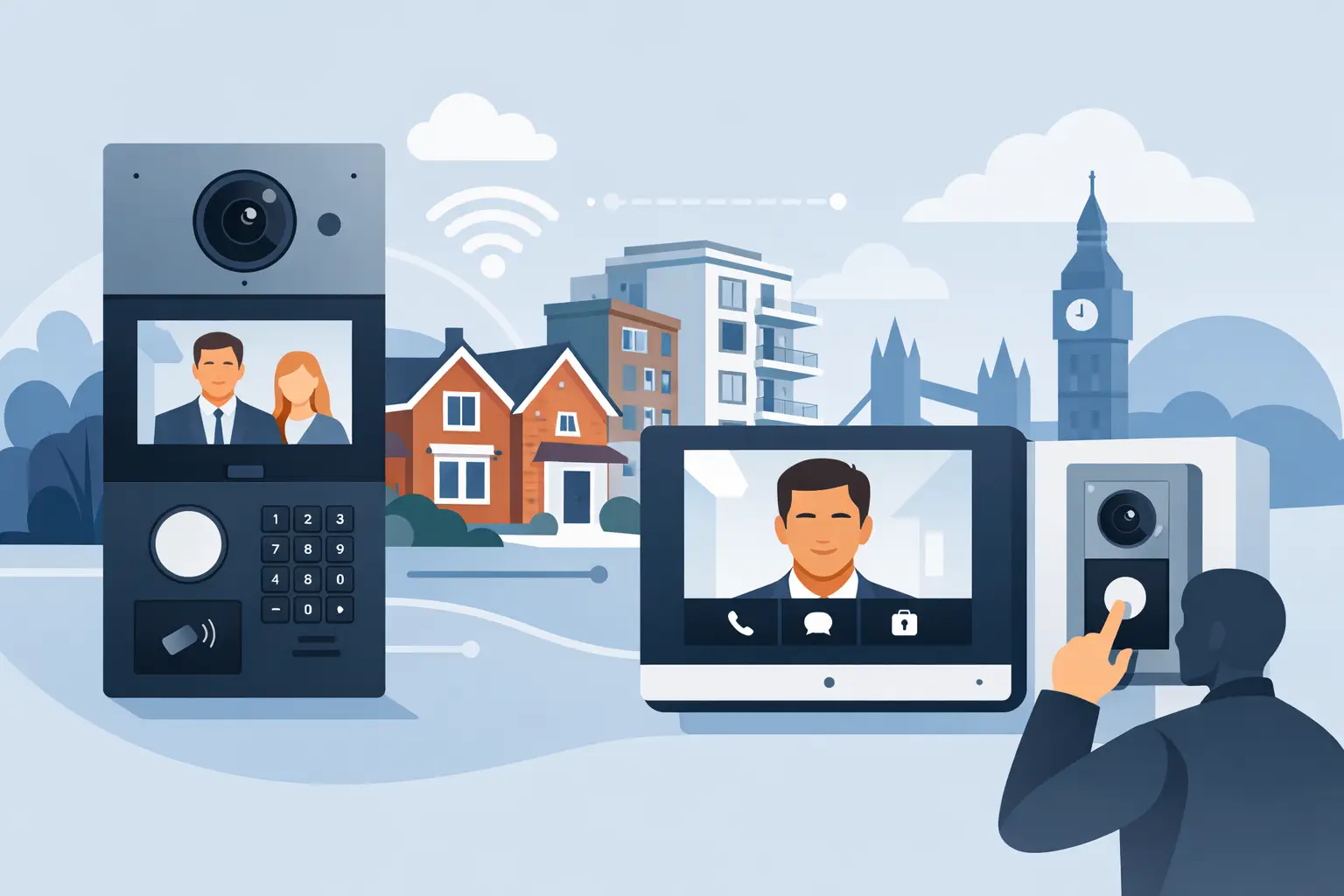
Dahua IP Intercom System Review for UK Properties
Read our Dahua IP intercom system review for a clear look at door entry, PoE monitors, remote access, installation and who it suits best in the UK today.

Analogue CCTV vs IP: Which Should You Choose?
Analogue CCTV vs IP – compare image quality, cost, cabling, remote access and future upgrades to choose the right system for your property.

Remote Monitoring Systems That Put You in Control
Remote monitoring systems give homeowners and businesses live visibility, faster alerts and practical control over CCTV, alarms and access points daily.
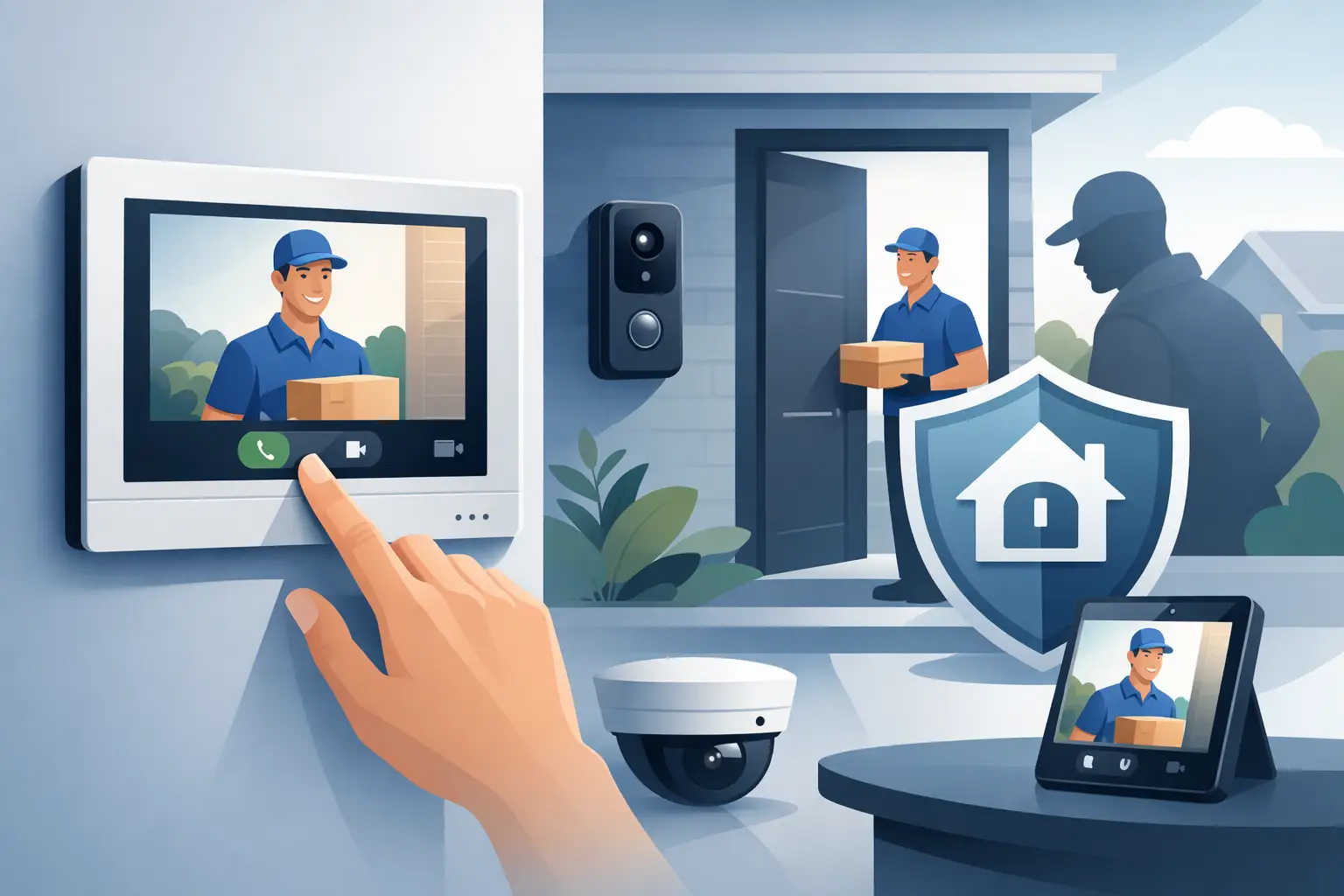
Dahua Indoor Monitor Review for Safer Entry
Dahua indoor monitor review for homes, flats and businesses: assess POE reliability, call handling, access control and installation value for shared sites.
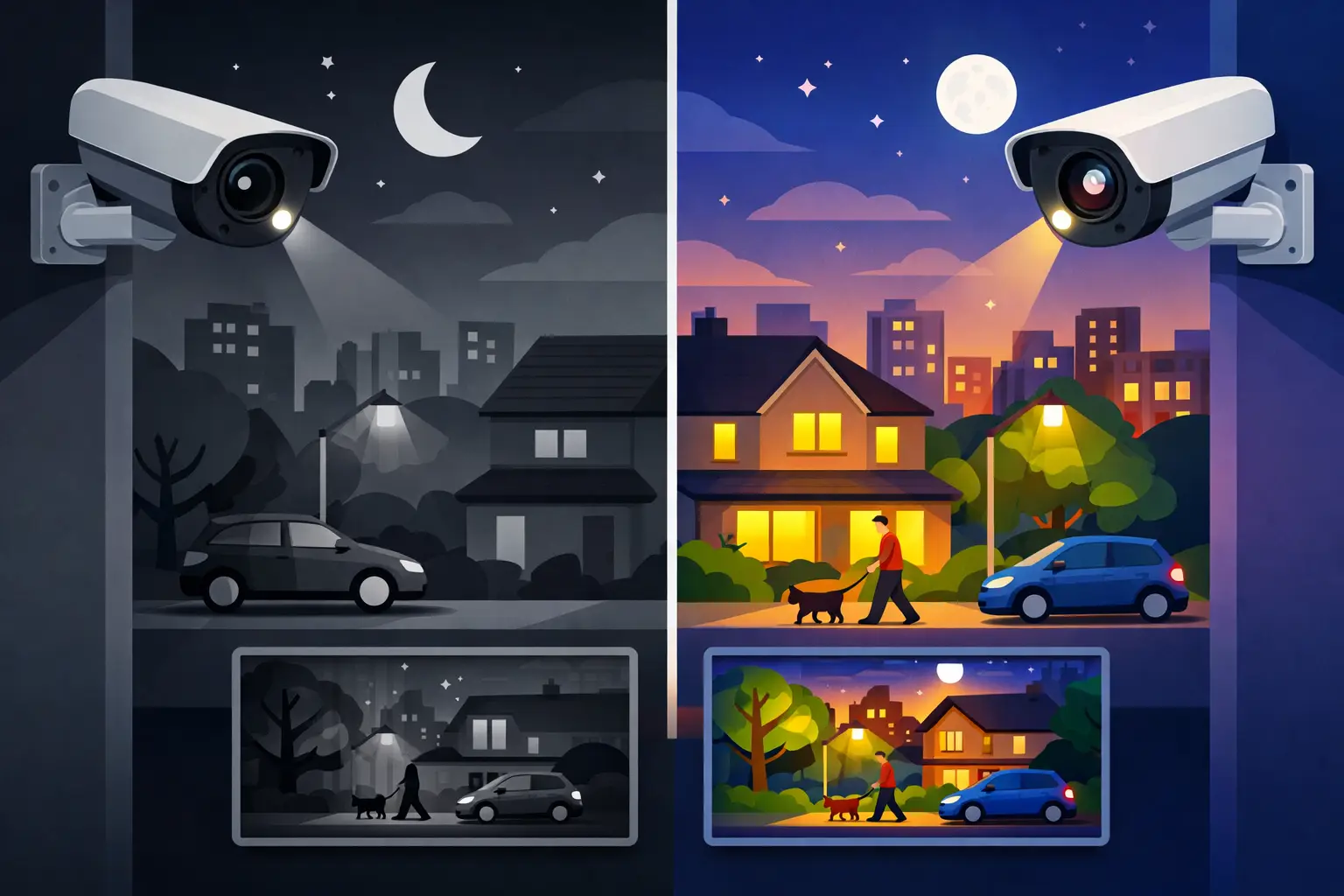
What Is Full Colour Night CCTV and How It Works
Understand what is full colour night CCTV, how it records useful colour after dark, and why camera placement and lighting still matter on every site.