


A practical guide to home CCTV system design, covering camera placement, night coverage, storage, remote viewing and choosing the right setup.
Smart Illumination Security Cameras Explained

A security camera that shows only a grey blur when something happens at night is not doing the job properly. Smart illumination security cameras are designed to solve that problem by adapting the light output to the scene, helping you capture usable colour images when a person or vehicle enters view, rather than wasting light on empty space.
For homeowners, landlords and business operators, that difference matters. It is the gap between seeing that movement occurred and seeing who was there, what they were wearing, which direction they travelled in and what happened next. When footage may need to support a police report, a tenancy issue, an insurance claim or an internal investigation, image quality under real conditions matters far more than a long feature list on a brochure.
What smart illumination security cameras actually do
Traditional CCTV night coverage often relies on infrared. That has its place, and it can be effective, but infrared usually gives black-and-white footage. In many situations that is enough to show activity. It is not always enough to provide the level of detail needed for identification.
Smart illumination security cameras take a more selective approach. Instead of blasting fixed white light all night, the camera can switch or adjust its illumination according to what it detects in the scene. That means the system can remain discreet when the area is empty, then provide targeted light when a person crosses an intrusion line or a vehicle enters a defined zone.
The practical benefit is simple – you get clearer night-time footage without permanently flooding an area with unnecessary light. On the right installation, this improves deterrence as well. An intruder approaching a side passage, rear garden, service yard or car park is more likely to think twice when a camera reacts visibly to their presence.
Why colour night footage changes the value of CCTV
There is a big difference between monitoring and evidence. Monitoring tells you that something happened. Evidence helps show what happened, who was involved and whether the footage will stand up to scrutiny afterwards.
Colour night coverage can make details easier to verify. A dark coat is different from a navy jacket. A white van is different from a silver one. The difference between a red car and a black car can matter more than people realise when events unfold quickly and memories are unclear.
This is why smart illumination is especially useful on entrances, driveways, loading areas, bin stores, shared access routes and perimeter edges. These are places where movement after dark may be routine at certain times, but suspicious at others. A properly specified camera can be set to respond in a way that supports both daily operations and security.
That said, more light is not always better. Poor positioning can cause glare, reflection and overexposure. A badly aimed camera facing glossy paving, white render or a reflective vehicle can wash out the very image you need. The result depends on design, lens choice, mounting height and the distance to the target area.
Where smart illumination works best
The strongest results usually come from targeted use, not blanket use across every camera on a property. A front entrance may benefit from controlled white light for visitor identification, while a boundary line or side alley may be better served by a camera that switches response only when an intrusion rule is met.
At domestic properties, common placements include front doors, driveways, side access routes and rear garden approaches. These are areas where activity often happens after dark and where homeowners want reassurance on their phone without trying to interpret vague night footage.
For commercial sites, priorities often include staff entrances, shuttered access points, delivery zones, car parks, office perimeters and shared doorways. In managed buildings such as flats, nurseries and offices, the requirement is not just to record movement but to maintain accountability. You need to know who approached, when they arrived and what happened around the point of entry.
Smart illumination and deterrence
Visible light from a reacting camera can do more than improve footage. It can change behaviour.
A passive camera records. A responsive camera can warn. When an intruder sees a camera illuminate as they cross into a monitored area, they know they have been detected and that the image being captured is more likely to be useful. In many cases, that moment of uncertainty is enough to interrupt the attempt.
There is a balance to strike here. Some clients want a more discreet security posture. Others prefer a stronger deterrent effect. Neither is automatically right for every site. A family home on a quiet road, a small retail unit, a nursery and a multi-occupancy entrance will each have different needs around visibility, neighbour impact and operating hours.
The installation matters as much as the camera
This is where many buyers get caught out. They compare camera model numbers and advertised features without giving enough attention to design and setup.
The performance of smart illumination security cameras depends on where they are mounted, how they are angled, what width of scene they cover and which detection rules trigger the lighting response. If the camera is too high, faces can become harder to identify. If it is too wide, the subject may be too small in frame. If it is pointed towards a strong background light, the sensor may struggle at the moment you need clarity most.
A proper site survey should look at practical conditions, not just ideal ones. That includes gates, fences, parked vehicles, neighbouring boundaries, public footpaths, lighting changes through the seasons and whether the area needs identification, observation or general oversight. These are not the same thing, and the camera specification should reflect the purpose.
For that reason, a consultative approach is usually the safer route. A good installer should guide you towards the right-fit system rather than loading a quote with cameras and features that do not improve the result.
Integration with the wider security system
Smart illumination cameras are at their best when they are part of a joined-up security setup.
For some properties, that means pairing CCTV with an intrusion system so the reaction is more intelligent. A camera can be configured to respond around an intrusion line, access route or perimeter edge, while alerts are delivered to the user in a manageable way. For managed entrances, it may sit alongside IP video door entry so that controlled access and visual verification work together rather than as separate systems.
This matters for daily usability. Security should not become a burden to manage. Homeowners want clear notifications and reliable remote viewing. Business operators want accountability without constant false alarms. A professionally configured system keeps control in your hand without demanding ongoing technical effort from you.
What to ask before you buy
If you are comparing options, the first question is not which camera is best. It is what you need to see, at what distance, and under what conditions.
Ask whether the goal is deterrence, identification, incident review or all three. Ask how the camera handles transitions between darkness and motion. Ask what the likely image will look like in your actual environment, not a showroom example. It is also worth asking how the system will be supported after installation, because settings often need refinement once real-life use begins.
This is particularly important on mixed-use and shared properties. A landlord may want oversight of access points. A facilities manager may need dependable evidence around deliveries or out-of-hours movement. A nursery or office may require tighter control and clearer audit trails. The right answer is rarely a one-size-fits-all package.
Choosing a system you can trust at night
Smart illumination is not a gimmick. Used properly, it solves one of the oldest CCTV weaknesses – poor visibility at the very time many incidents occur.
The key is to treat it as part of a planned security design, not as a box-ticking feature. Good night coverage comes from the combination of camera technology, placement, detection rules and experienced setup. When those pieces are aligned, you get more than footage. You get reassurance, stronger deterrence and a clearer record of events when it matters most.
At NRI Security Ltd, that is exactly why site surveys and straightforward advice matter. The right camera in the wrong place is still the wrong solution. If you start with the risks on your property and build around them properly, smart illumination can give you the kind of coverage that is genuinely useful after dark – not just impressive on paper.
If you are thinking about upgrading your CCTV, focus less on how many features a camera claims to have and more on whether the system will show you what you actually need to see when the light drops and the stakes rise.

What Home CCTV Tech Is Worth Buying?
Learn which latest CCTV technology for homes genuinely improves security, from smart alerts to colour night vision and professional setup.

Upgrade Old Analogue CCTV to IP
Learn how to upgrade old analogue CCTV to IP, what can stay, what must change, and how to improve image quality, access and control.
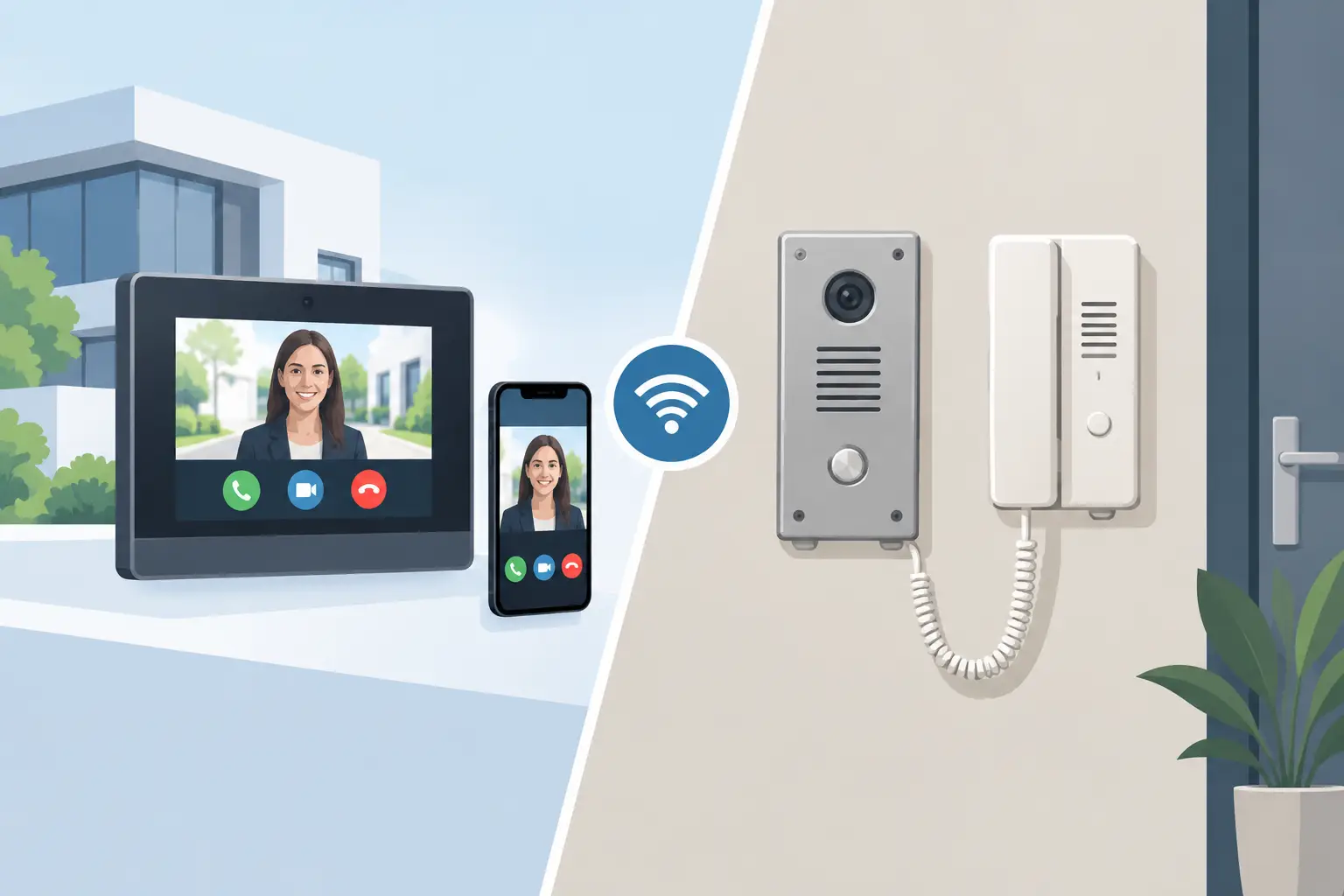
IP Intercom vs Analogue Intercom: Which Fits?
Compare IP intercom vs analogue intercom systems for homes, flats and businesses. Understand wiring, remote access, costs and the right fit for your site.

Best Access Control for Nurseries
Find the best access control for nurseries with practical advice on door entry, credentials, safeguarding, CCTV integration and daily usability.

Best CCTV for Night Vision: What Works
Choosing the best cctv for night vision? Learn what actually improves night footage: sensors, lighting, placement, and pro setup for real clarity.

Residential CCTV Installation Guide for Homes
Residential CCTV installation guide for homeowners – learn camera placement, lighting, recording, compliance and why professional setup matters.

Do I Need Signs for CCTV in the UK?
Do I need signs for CCTV in the UK? Learn when CCTV signs are required, when they help, and how to stay compliant at home or work.

CCTV Installer Chorley: What Good Looks Like
Choosing a cctv installer chorley? Learn what a proper survey covers, the kit that matters, and how to avoid poor night footage and weak deterrence.

How to Connect CCTV to Your Phone Securely
Learn how to connect CCTV to phone securely, view live footage, receive useful alerts and protect your home or business wherever you are, with confidence.
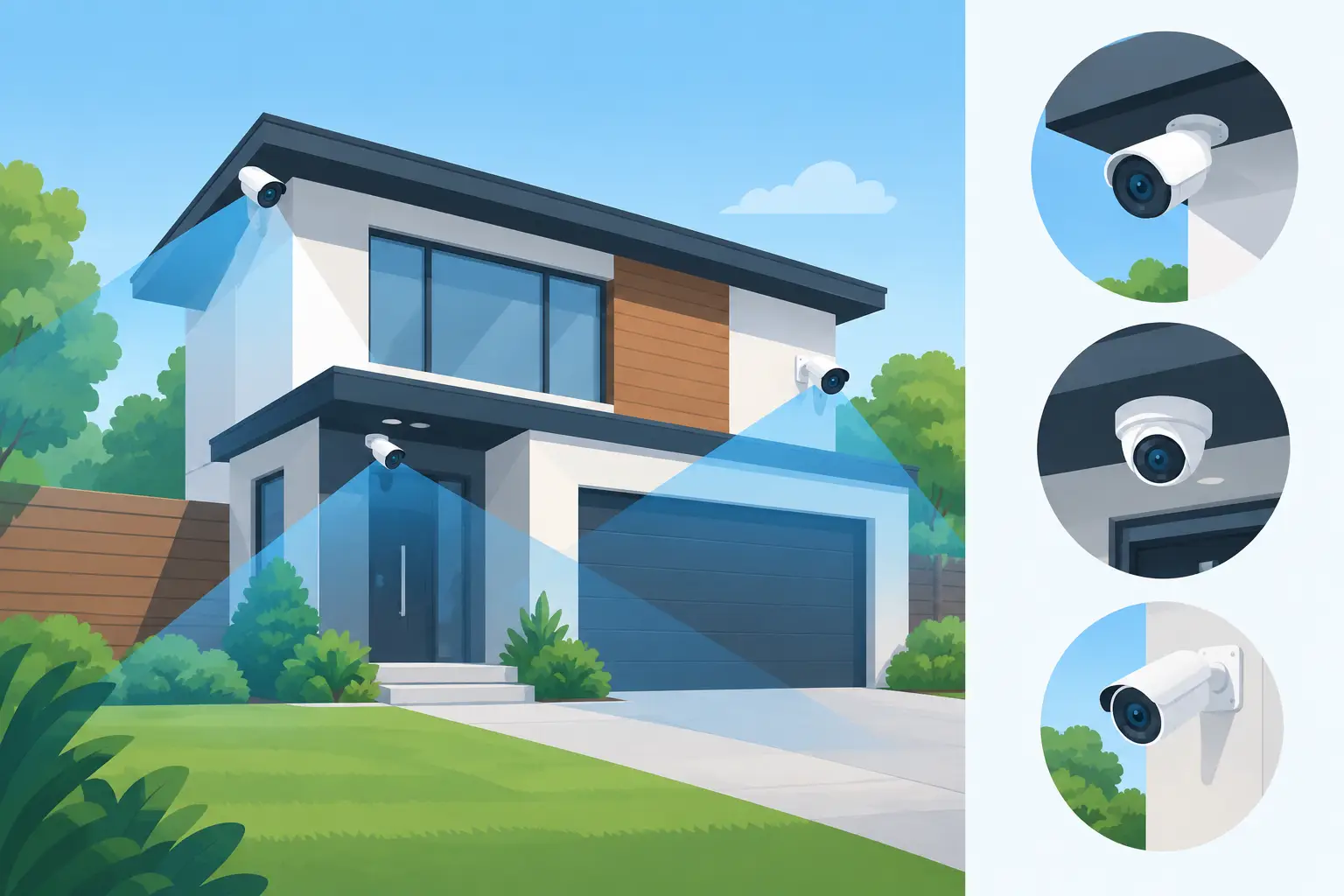
How to Position Security Cameras Properly
Learn how to position security cameras for clear evidence, safer access points and dependable night coverage at home or your business property every day.

Free CCTV Site Survey: What You Really Get
A free cctv site survey shows what cameras you need, where they should go, and what it will cost. Avoid blind spots and overspend.