


Find out what happens during a security survey, from identifying weak points to choosing CCTV, access control and alarms suited to your property needs.
How to Protect Vacant Property From Intruders
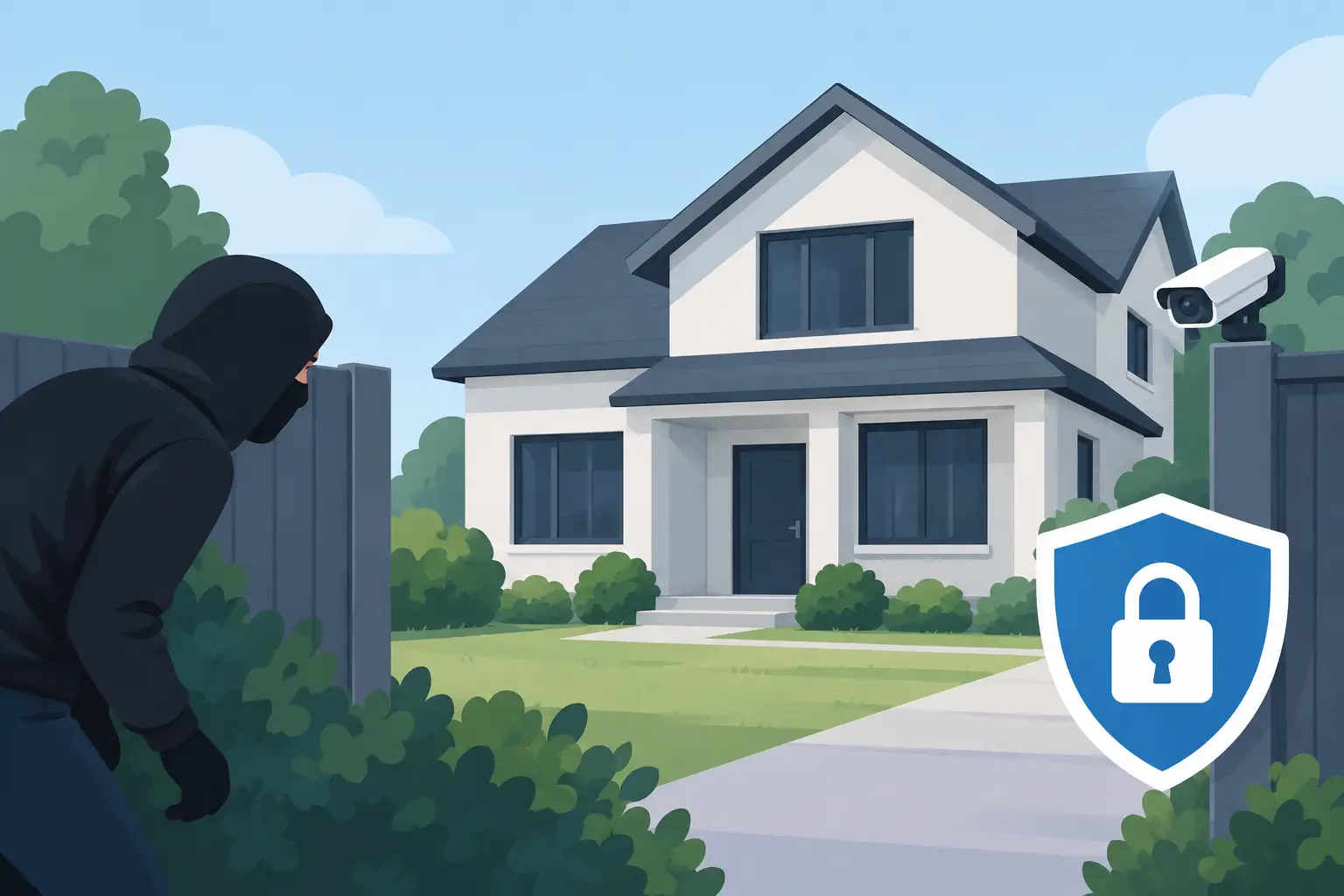
A vacant house, flat, office or unit can draw attention surprisingly quickly. Uncollected post, a dark frontage and an empty drive all signal opportunity to trespassers, thieves and vandals. Knowing how to protect vacant property starts with making the building look watched, keeping every entry point controlled and ensuring that someone can respond when something changes.
The right level of protection depends on the property, its location and how long it will be empty. A furnished home between tenants needs a different approach from an isolated commercial building awaiting redevelopment. However, the principle is the same: create visible deterrence, capture clear evidence and remove easy access.
Assess the property before it becomes a target
Do not begin by buying cameras. Start with a site assessment that considers how somebody would approach, enter and leave the premises. Check gates, side passages, rear doors, ground-floor windows, roof access and any outbuildings. A damaged fence panel or poorly lit service entrance can matter more than the lock on the front door.
Walk the boundary at dusk as well as in daylight. This shows where shadows conceal movement, where lighting spills onto the wrong area and whether a neighbour would notice an attempted break-in. For business premises, look closely at delivery bays, bin stores, plant rooms and external storage, as these are often less visible than the main entrance.
Also consider the risks that are not criminal. A leaking pipe, storm damage, a failed freezer in a vacant retail unit or signs of damp can become expensive when nobody visits for weeks. A well-designed security system supports both protection and early awareness.
How to protect vacant property with visible CCTV
CCTV is most effective when it is designed around likely activity, not simply fitted wherever a cable route is convenient. Coverage should identify a person at key points such as gates, front and rear doors, vehicle entrances and vulnerable windows. A camera mounted too high, aimed too wide or facing into strong glare may record movement without providing useful detail.
For vacant properties, remote viewing is particularly valuable. It gives the owner, landlord or facilities manager coverage in the palm of their hand, allowing them to check the site without making unnecessary journeys. Notifications can draw attention to activity, but they should be configured carefully. Constant alerts from passing traffic, trees or wildlife soon lead to ignored notifications.
Colour night coverage can make a meaningful difference where there is suitable smart illumination. Rather than relying only on monochrome images after dark, intrusion-triggered lighting can help deliver clearer colour footage at the moment it matters. This is not a substitute for sensible camera placement, but it can improve identification and show what is happening around an entrance or perimeter.
A visible camera is a deterrent. A system that records reliably, retains footage securely and gives a clear view of faces, access routes and vehicles is evidence. Both matter. Where cameras may capture a public pavement, neighbouring land or shared access areas, the system should be installed and managed with appropriate signage and data protection responsibilities in mind.
Use lighting to remove cover, not create glare
Darkness gives an intruder time to test doors and windows without being seen. Exterior lighting makes that harder, particularly around rear access, side gates and commercial yards. Yet fitting the brightest possible floodlight is rarely the best answer. Harsh lights can create deep shadows, disturb neighbours and wash out camera images.
Use properly positioned, downward-facing lighting that illuminates approach routes and entry points. Smart lighting or motion-triggered illumination can make unexpected activity immediately conspicuous while avoiding all-night light pollution. It should complement your cameras, not point directly into their lenses.
Inside, timed lamps can help a vacant residential property appear occupied. Keep this believable: a single lamp operating at the same time every evening is less convincing than varied lighting across a few rooms. For a commercial site, internal lighting may be useful near reception or access-controlled doors, but it should not expose valuable stock to view through the glazing.
Control keys, doors and temporary access
Most vacant-property breaches are not sophisticated. They begin with an unlocked window, an old key that was never recovered, a contractor code shared too widely or a side gate left unsecured. Before a building is empty, account for every key, fob and access code. Change locks where keys may have been copied or passed between previous occupants.
For managed buildings and commercial premises, access control provides a clear record of who has entered and when. Video door entry can allow an authorised person to verify visitors remotely, while keypad, card or fob credentials make it easier to remove access when a contractor or tenant no longer needs it. A POE-connected monitor can provide a dependable local point of control without relying on uncertain wireless coverage.
Avoid leaving spare keys in predictable places or allowing a succession of tradespeople to use the same shared code. If work is taking place, assign timed or individual access wherever practical. This protects the building and gives you accountability if an incident occurs.
Maintain a routine that proves the property is cared for
Technology is strongest when it is backed by regular physical checks. Agree who is responsible for inspections, how often they will happen and what must be checked. A property that looks maintained is less attractive than one with overflowing post, weeds around the entrance and a visibly neglected exterior.
During each visit, inspect doors, windows, gates, rooflines and meter cupboards for damage or tampering. Look for rubbish, graffiti, unfamiliar markings and signs that someone has been attempting to gain entry. Test alarm status, check that cameras are clean and confirm that recordings and remote access are working as expected.
Keep a dated record of every visit, including photographs where appropriate. This can support an insurance claim, demonstrate responsible property management and help spot patterns that a single visit might miss. If a neighbour is willing to help, give them a clear point of contact and ask them to report concerns rather than intervene.
Add an alarm response plan, not just an alarm
An intruder alarm adds another layer of deterrence and can provide immediate notification of unauthorised entry. Wireless alarm systems are often well suited to properties where running new cabling would be disruptive, while professionally installed devices can cover doors, windows, internal areas and selected external approaches.
The crucial question is what happens after activation. If alerts go to a person who is travelling, asleep or unable to attend, an alarm alone may not solve the problem. Decide in advance who receives notifications, who can check the site and when police or a keyholding service should be contacted. Avoid presenting a vacant address as an emergency contact point.
For higher-risk sites, consider whether monitored alarm signalling, additional perimeter detection or temporary security measures are justified. The answer depends on the value of assets, local crime patterns, the visibility of the building and the potential damage from a delayed response. There is no benefit in paying for equipment that does not match the actual risk.
Do not overlook insurance and basic services
Tell your insurer when a property will be unoccupied, particularly if the vacancy will exceed the period set out in the policy. Insurers may require regular inspections, working alarm systems, secure locks, drained water systems or restrictions on leaving heating active. Failing to follow these conditions can put cover at risk precisely when it is needed.
Secure external bins, remove combustible waste and do not leave ladders, tools or building materials available for opportunistic use. Redirect post where possible and arrange for the exterior to be maintained. If utilities are still connected, set sensible heating and water-management arrangements to reduce frost and leak risks.
A vacant property should never feel abandoned. It should feel controlled: doors secured, approaches visible, activity recorded and responsibility clearly assigned. A free site survey from an experienced installer can turn that aim into a practical CCTV, lighting, access and alarm plan that protects the building without pushing you into equipment you do not need.

Ajax Alarm System Review UK
Ajax alarm system review UK – a clear look at features, app control, reliability, costs and whether Ajax suits homes and businesses.

8 Best Ways to Deter Trespassers at Home
Learn the best ways to deter trespassers with practical CCTV, lighting, access control and boundary advice for homes and businesses across the UK today.

Smart Home Security Installation Done Right
Smart home security installation works best when cameras, alarms and entry systems are designed properly, fitted well and supported after handover.
Best Panic Alarms for Homes and Families
Compare the best panic alarms for homes, from personal buttons to monitored systems, and choose reliable protection for your family, home and property.

Latest Perimeter Detection Technology Explained
See how latest perimeter detection technology combines smart CCTV, lighting and intrusion alerts to protect homes and business premises around the clock.

Smart Illumination Security Cameras Explained
Learn how smart illumination security cameras improve night-time visibility, deter intruders and give homes and businesses clearer evidence.

CCTV for Nurseries: What Good Security Looks Like
CCTV installation for nursery security: camera placement, night coverage, entry control, privacy rules and how to choose a reliable installer for safeguarding.

Best CCTV for Night Vision: What Works
Choosing the best cctv for night vision? Learn what actually improves night footage: sensors, lighting, placement, and pro setup for real clarity.

Best CCTV for Detached Houses in 2026
Choosing the best cctv for detached houses comes down to coverage, lighting, recording and install. Get a clear, practical spec that fits.

Video Door Entry for Safer Premises
Video door entry gives homeowners and businesses better control of visitors, access and accountability with clear, professionally installed systems.

How to Connect CCTV to Your Phone Securely
Learn how to connect CCTV to phone securely, view live footage, receive useful alerts and protect your home or business wherever you are, with confidence.