


A CCTV maintenance contract for small businesses keeps cameras, recording and remote access reliable, compliant and ready when incidents happen.
How to Secure Shared Entrances Properly

A shared front door can become everyone’s weak point if nobody has clear control over it. That is why understanding how to secure shared entrances matters for landlords, residents’ committees, office managers and anyone responsible for a building used by more than one person or business. The right setup does more than stop unwanted access – it gives you visibility, accountability and a system people will actually use properly every day.
Why shared entrances fail so often
Most shared entrances are not insecure because nobody cares. They fail because too many people use the same space in different ways. One resident wants quick access with a fob, another props the door open for deliveries, a cleaner needs timed entry, and a tradesperson turns up when no one is on site. In office buildings and mixed-use properties, that pressure is even higher.
The result is usually a patchwork of locks, intercoms and cameras that were added at different times without a proper plan. You may have a strong door but poor visitor verification. You may have CCTV, but not enough light to capture useful footage at night. You may have an intercom, but no clear record of who entered and when. A secure shared entrance depends on all of those elements working together.
How to secure shared entrances with a layered approach
If you want to know how to secure shared entrances properly, start by thinking in layers rather than products. A front door on its own is only one part of the answer. What usually works best is a combination of controlled entry, visible surveillance, smart lighting and clear rules around use.
The first layer is deterrence. A well-lit entrance with visible CCTV and a professionally fitted door entry system sends a clear message before anyone even touches the handle. Opportunist intruders tend to avoid buildings where access is controlled and their movements will be recorded clearly.
The second layer is verification. You need to know who is requesting access, whether they should be there, and who let them in. That is where IP video door entry becomes far more effective than a basic audio-only buzzer. Seeing a visitor before granting entry reduces guesswork, particularly in flats, nurseries and office buildings where staff or residents may not know everyone personally.
The third layer is evidence. If there is a security incident, footage needs to be useful, not just available. That means camera positioning, image quality and night-time performance all matter. Grainy footage of a hooded figure at a dark doorway rarely helps anyone.
Start with the entrance itself
Before specifying electronics, assess the physical entry point. A shared entrance should have a solid, well-aligned door, dependable closing action and hardware suited to frequent daily use. If the door does not shut firmly every time, any access control system fitted to it will be undermined.
This is also where many properties make false economies. Installing a modern video door entry panel on a door with poor closure, worn hinges or inconsistent locking creates a weak finish to an otherwise good system. In shared buildings, reliability matters as much as specification because the door may be opened dozens or hundreds of times each day.
You should also look at sightlines around the doorway. Recessed entrances, side alleys and blind spots can create cover for tailgating or forced entry attempts. In some cases, the fix is not more equipment but better placement and smarter coverage.
Choose access control people will actually use
Access control only improves security if it suits the building. For some shared entrances, a simple coded keypad may seem attractive, but codes are often passed around, written down or left unchanged for too long. In a high-turnover environment, that can become difficult to manage.
For many multi-occupancy and managed properties, a video door entry system with multiple credential options offers better day-to-day control. Keypads, cards and fobs give flexibility across different users, while internal monitors allow residents or staff to verify visitors before releasing the door. A POE-connected system can also simplify installation and improve stability where a cleaner, more integrated setup is needed.
There is no single best credential for every site. Fobs are convenient and familiar. Cards can work well in office environments where staff already carry passes. Keypads suit some lower-traffic sites, but only if codes are managed properly. The right choice depends on user behaviour, turnover, the level of control required and how easily lost credentials can be removed from the system.
CCTV should cover decisions, not just the doorway
One of the biggest mistakes in shared entrance security is placing a camera where it records activity but not identity. If a camera is too high, too wide or facing into glare, you may capture movement without capturing a usable face image.
A better approach is to cover the key decision points. That usually means one view on approach, one at the entrance itself, and where needed, another covering the internal side of the access point. In larger buildings, it may also make sense to cover the route from the entrance to lifts, stairwells or reception.
Modern CCTV earns its place when it delivers actionable visibility, especially after dark. Smart illumination and intrusion-triggered full-colour night coverage can make a significant difference to identification quality. This matters at shared entrances because many incidents happen in low light, when standard black-and-white infrared footage may not show enough detail for confident review.
Lighting matters more than most people expect
Lighting is often treated as an afterthought, yet it has a direct effect on deterrence, camera performance and user confidence. Residents and staff are more likely to challenge suspicious activity or use a system correctly when they can clearly see who is there.
The best lighting for shared entrances is not always the brightest. It needs to be positioned to reduce shadows, avoid washing out faces and support the camera view. Smart illumination linked to movement or intrusion zones can improve visibility exactly when needed without leaving a glare-heavy entrance permanently overlit.
For buildings with vulnerable occupants, shift patterns or frequent evening access, lighting becomes part of the user experience as well as the security plan. People feel safer approaching and entering a building that looks controlled and visible.
Shared entrances need rules, not just hardware
Even the best equipment can be weakened by poor building habits. Doors are propped open for convenience. Residents let in unknown callers because they feel pressured. Delivery drivers are buzzed through without checks. Staff assume someone else is monitoring the system.
That is why secure shared entrances need a simple operating policy. It does not have to be complicated. People just need to know how visitors should be verified, what to do with lost fobs or cards, and who to contact if a door is not closing or a monitor is not working.
This is especially important in regulated or duty-of-care settings such as nurseries and managed offices. There, the entrance is not simply about theft prevention. It is about safeguarding, accountability and knowing exactly how people enter the premises.
Professional design prevents expensive gaps
There is a difference between buying security products and having a security system designed around the way a building actually works. Shared entrances are a good example. What looks adequate on paper can quickly fall short once delivery access, resident turnover, staff changes and after-hours use are taken into account.
A proper site survey should look at traffic flow, user types, door condition, cabling routes, lighting conditions and where evidence would be needed if something went wrong. It should also consider future use. A block of flats may later want remote management. An office entrance may need to support additional users. A nursery may need stricter access logging than first expected.
That consultative approach protects you from overbuying and under-specifying at the same time. In many cases, the right answer is not the most complex system. It is the system that gives consistent control, clear footage and straightforward daily use.
When upgrades make more sense than replacement
Not every shared entrance needs a full rip-out. Sometimes the better route is to improve the weakest points first. That might mean replacing an outdated intercom with IP video door entry, adding better entrance lighting, repositioning cameras or improving the locking and closing hardware on the door.
The trade-off is that partial upgrades need to be planned carefully. Mixing old and new equipment can work well, but only if compatibility, reliability and support are considered from the start. Otherwise, you can end up with a system that looks improved while still creating blind spots or management headaches.
For property owners and managers, after-sales support also matters. Shared entrances are used constantly, so faults cannot be left unresolved for long. A dependable installer should not disappear once the equipment is fitted.
If you are deciding how to secure shared entrances, think beyond the front door and focus on control. Who can enter, how they are verified, what is recorded and whether the system will still work properly six months from now are the questions that count. Get those right, and the entrance stops being a weak point and starts doing its job quietly every day.

Why Security Consultation Before Installation Matters
Security consultation before installation helps you choose the right CCTV, alarms and access control for proper coverage, compliance and value.

Best CCTV Camera Locations Around a House
Find the best CCTV camera locations around a house for stronger deterrence, clearer footage and practical coverage that protects key entry points.

CCTV Compliance for Small Businesses Made Clear
CCTV compliance for small businesses explained: plan lawful coverage, clear signs, secure footage and staff awareness without buying more than you need.

How to Plan Office Surveillance Properly
Learn how to plan office surveillance with the right camera positions, access points, privacy controls and night coverage for clear evidence.

Nursery Safeguarding Camera Placement Example
See a nursery safeguarding camera placement example that protects children, supports staff and respects privacy, with CCTV design advice for UK settings.
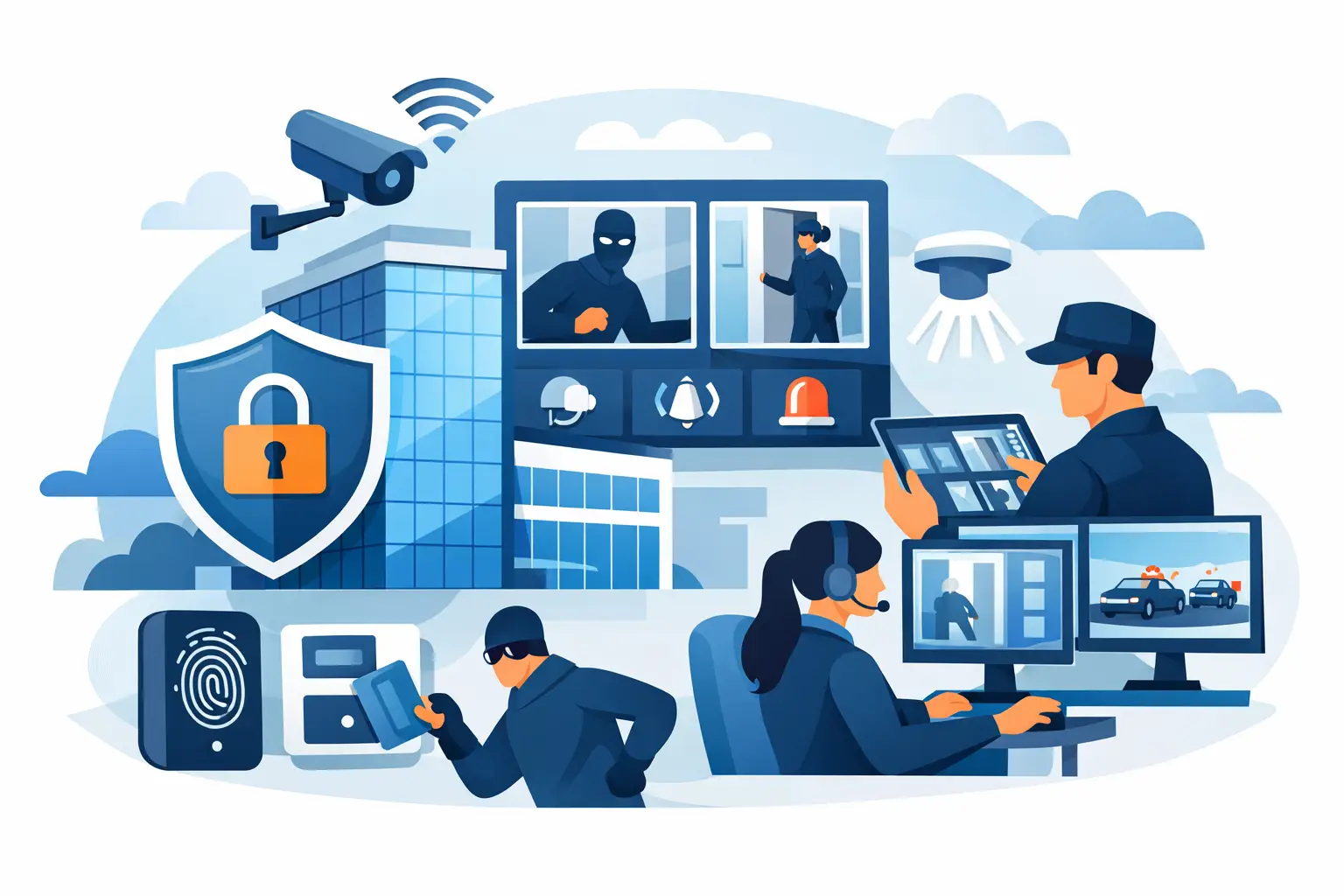
Best Commercial Security System Features
Compare the best commercial security system features for dependable CCTV, controlled entry and faster response across offices, flats and managed sites.
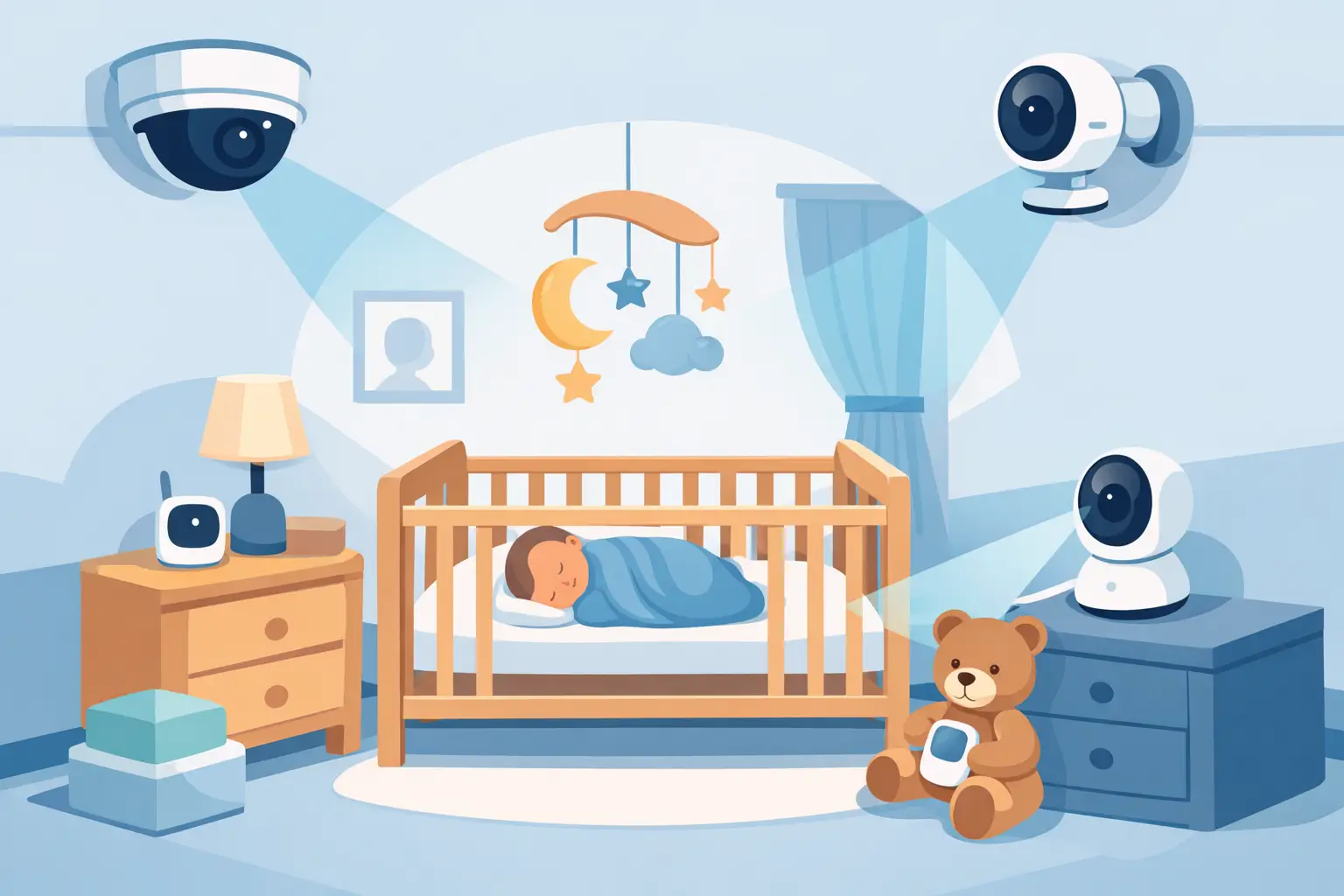
Best Security Cameras for Nurseries That Protect
Choose the best security cameras for nurseries with clear guidance on coverage, privacy, night vision, access control and professional installation support.

Wired vs Wireless Alarm Systems
Compare wired vs wireless alarm systems for homes and businesses. See the real trade-offs in reliability, installation, upkeep and cost.

Best Access Control for Nurseries
Find the best access control for nurseries with practical advice on door entry, credentials, safeguarding, CCTV integration and daily usability.

Business Access Control Guide for Safer Sites
A practical business access control guide for offices, flats and managed sites. Learn what to choose, how systems work and what really matters.

Remote CCTV Monitoring Apps That Feel Reliable
Choosing a remote cctv monitoring app? Learn what matters: alerts, playback, privacy, user access, and setup for homes and small businesses.