


Aftercare support for CCTV keeps footage clear, apps working and coverage reliable long after installation – for homes and businesses.
Managed Building Entry Systems Explained

A front door should not be the weakest point in your security plan. In a shared building, it often becomes the busiest one too – with residents, staff, visitors, deliveries and contractors all needing access at different times. That is where managed building entry systems earn their place. They do more than let people in. They help you control who enters, when they enter, and how that decision is recorded.
For landlords, facilities managers, office operators and administrators in regulated settings, the challenge is rarely just security in the narrow sense. It is also convenience, accountability and reliability. If entry is too loose, you invite risk. If it is too restrictive or awkward to use, people work around it. A properly specified system sits in the middle. It keeps control where it belongs without turning everyday access into a nuisance.
What managed building entry systems actually do
At a basic level, managed building entry systems combine door release, visitor communication and user credentials into one controlled setup. That might mean a visitor presses a call button, staff answer on an internal monitor, and the door is released remotely after visual verification. It can also mean residents or staff use a fob, card or keypad code to enter without needing a physical key.
The word managed matters. A standalone intercom might suit a single entrance with simple needs. A managed system is different because access permissions, devices and user activity can be administered in a more deliberate way. In practical terms, that means adding or removing users quickly, setting up the right credentials for the right people, and reducing the usual headaches around lost keys, copied keys and uncontrolled access.
For multi-occupancy buildings, this is often the difference between basic entry and proper oversight. A block of flats, nursery or office building has far more moving parts than a single front door at a house. Staff change. Tenants move. Cleaning contractors come and go. Delivery access needs thought. The system has to cope with real use, not just ideal conditions.
Where managed building entry systems make the biggest difference
The strongest use case is any site where more than one person or group needs controlled access. Shared residential buildings are an obvious example. If several households rely on the same entrance, you need a practical way to identify visitors, release doors remotely and issue credentials without creating confusion.
Office buildings benefit for similar reasons, but the priorities can shift. Here, access control is often tied to staff movement, reception procedures and out-of-hours security. A basic buzzer system may let a visitor in, but it does not give the same level of control as an IP-based entry solution with monitor access, multiple credential options and better visibility of who is at the door.
Nurseries and similar environments have an even tighter requirement. It is not enough to make entry convenient. The system needs to support safeguarding, reduce the chance of tailgating and make the handover between staff and visitors more controlled. In those settings, reliability matters just as much as features. If a system is difficult to use under pressure, it is not the right system.
The features that matter day to day
When buyers first compare systems, they often focus on the panel at the entrance. In practice, the everyday value comes from the whole setup. The way credentials are issued, the quality of visitor communication and the ease of operating monitors inside the building all shape whether the system works properly over time.
Credential flexibility is one of the biggest advantages. Keypads, cards and fobs each have their place. A fob is quick and familiar. A card can fit better in some managed environments. A keypad can be useful where temporary or shared access is needed. No single option is always best. The right choice depends on the users, the turnover of occupants or staff, and how often permissions need to change.
Internal monitors matter more than many people expect. A clear 7-inch screen with straightforward controls makes it easier for staff or residents to verify visitors before releasing a door. If the monitor is awkward, low quality or unreliable, people start letting visitors in without proper checks. That undermines the point of the system.
Power over Ethernet, or POE, is another feature worth paying attention to. It simplifies connectivity by allowing power and data through one cable, which can make installation neater and more dependable. That is especially useful in managed buildings where cable routes, wall finishes and future maintenance all need consideration.
Why IP door entry has become the practical choice
Modern IP door entry systems suit managed sites because they are built for flexibility. They are easier to integrate into a wider security approach than older analogue setups, and they offer better scalability when a building has multiple entrances, internal monitors or user groups.
That does not mean every property needs the most advanced setup on the market. It depends on the building and on the people using it. A small office with one main door will not need the same design as a multi-entrance block of flats. What matters is choosing a system that fits current use while leaving room for sensible growth.
Dahua IP video door entry systems are a good example of where modern hardware meets practical daily use. Multiple credential options, video verification and POE-connected Android monitors make them well suited to buildings that need control without unnecessary complication. The benefit is not technical for its own sake. The benefit is being able to see who is there, make an informed decision, and keep access moving without losing control.
Installation matters as much as the equipment
Even the best entry system can disappoint if it is badly specified or poorly installed. Camera angle, panel height, monitor placement, cabling routes and door release configuration all affect real-world performance. It is very easy to end up with a system that looks impressive on paper but frustrates users every day.
This is why a site survey matters. The installer needs to understand not just the entrance itself, but how people move through the building. Where do deliveries arrive? Is there a secondary door that staff actually use more often than the front entrance? Are there times when multiple users need access quickly? These details shape the right recommendation.
A consultative approach protects the customer here. Some sites need a straightforward video entry system with fob access. Others need a more layered arrangement tied to CCTV and wider perimeter coverage. The answer should come from the property and the risk, not from a push to sell more hardware than necessary.
Entry control works best when it supports your wider security
Building entry should not sit in isolation. If someone forces a door, waits outside after hours or tries to enter at the edge of the site, you want a fuller picture of what is happening. That is where CCTV and managed entry begin to work together.
For example, a video door entry system helps you verify a caller at the entrance, but perimeter or intrusion-triggered CCTV gives context before they even reach the door. Smart illumination and full-colour night coverage can make that footage more useful when visibility matters most. The result is better decision-making, not just more devices on the wall.
This joined-up approach is especially valuable for offices, shared residential entrances and nurseries. You are not simply controlling the lock. You are creating a clearer record of movement around the property and improving your ability to respond when something does not look right.
Choosing a system without overbuying
There is no single best answer for every building. That is often the part buyers appreciate hearing, because it is the truth. A small converted property with a handful of users may need a very different setup from a purpose-built block or a busy office entrance.
The sensible questions are straightforward. How many doors need managing? How many users need credentials? Do you need video verification at every entry point or only the main one? How often will permissions change? Does the site need stronger audit trails because of safeguarding, tenancy turnover or staff movement?
Once those answers are clear, the right system usually becomes clearer as well. A good installer should explain the trade-offs plainly. More features can bring more control, but they can also add cost and complexity. The aim is not to buy the biggest system available. It is to put the right level of control in the right place and know it will keep working.
For customers who want guidance rather than guesswork, that is where an experienced installer earns trust. NRI Security takes that view seriously, with free site surveys, no-obligation quotations and support that continues after installation. That matters because entry control is not just a purchase. It is part of how your building operates every day.
If your entrance is carrying too much risk, too many keys or too many workarounds, it is usually a sign the system needs rethinking. The best managed entry setup is the one that feels simple to the right people and difficult for the wrong ones.

Residential Video Entry Guide for Safer Access
Residential video entry guide for homeowners and landlords. Learn what matters, what to compare, and how to choose a reliable system.

Best CCTV Camera Locations Around a House
Find the best CCTV camera locations around a house for stronger deterrence, clearer footage and practical coverage that protects key entry points.

8 Best Ways to Deter Trespassers at Home
Learn the best ways to deter trespassers with practical CCTV, lighting, access control and boundary advice for homes and businesses across the UK today.
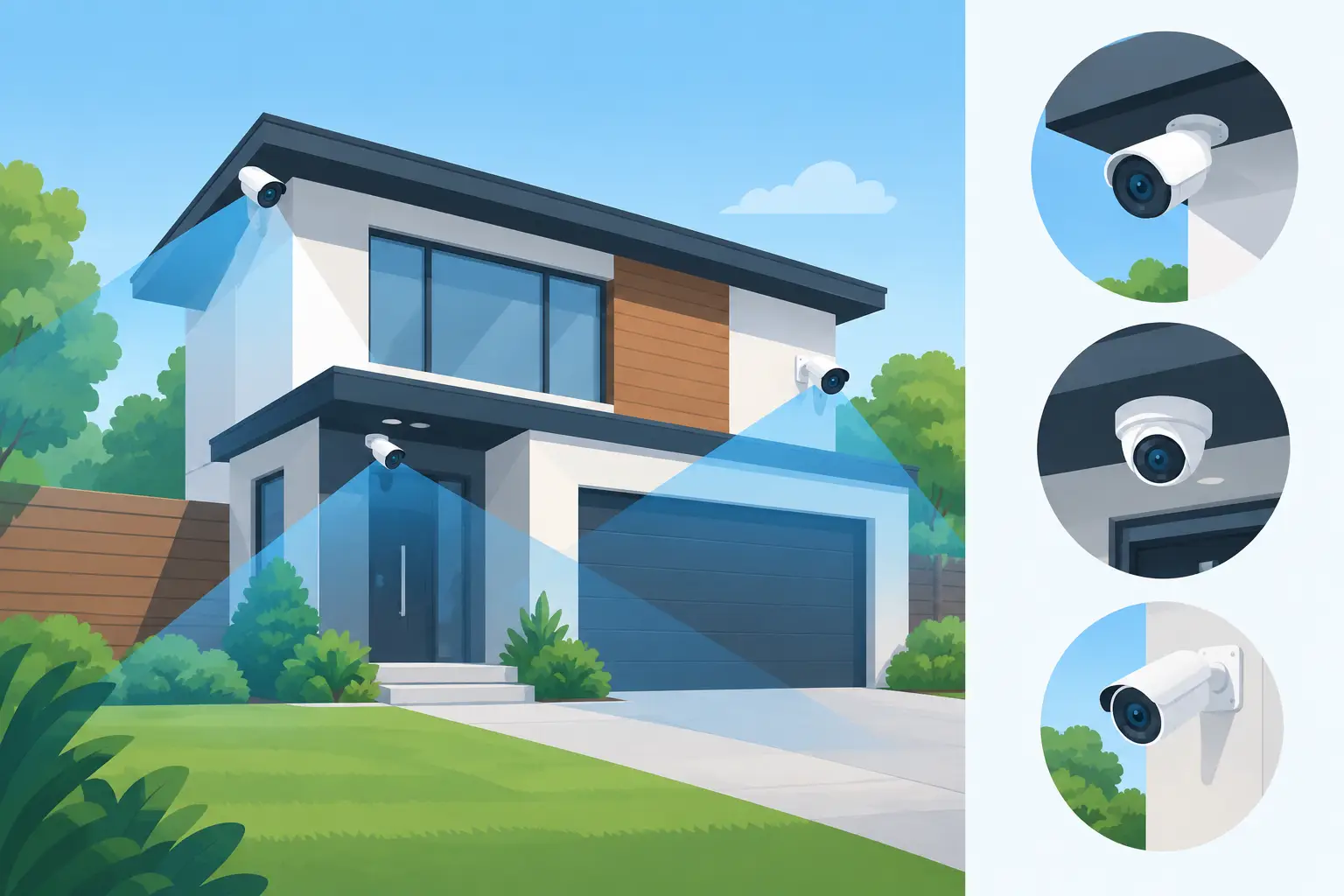
How to Position Security Cameras Properly
Learn how to position security cameras for clear evidence, safer access points and dependable night coverage at home or your business property every day.
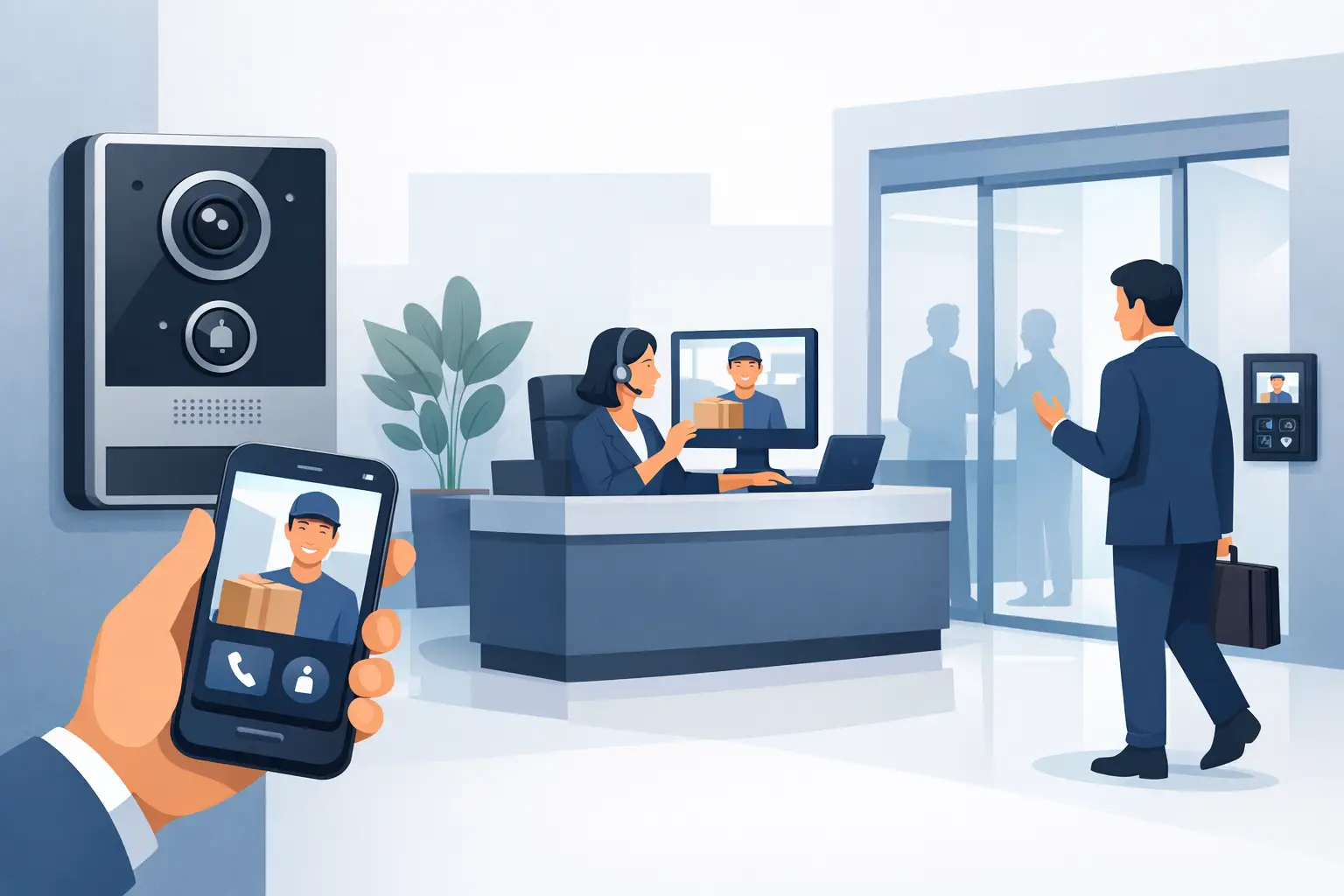
Choosing Video Door Entry for Office Reception
Video door entry for office reception gives staff controlled access, clear visitor checks and reliable records. Learn what the right system should include.

How to Choose a Home CCTV Installer
Learn how to choose home CCTV installer with confidence. Compare surveys, support, system design and quotes before you commit.

Best CCTV for Detached Houses in 2026
Choosing the best cctv for detached houses comes down to coverage, lighting, recording and install. Get a clear, practical spec that fits.

Smart Lighting CCTV That Actually Helps at Night
Security cameras with smart lighting improve night footage, deter intruders, and cut false alerts. Learn what matters, placement tips, and trade-offs.

How to Connect CCTV to Your Phone Securely
Learn how to connect CCTV to phone securely, view live footage, receive useful alerts and protect your home or business wherever you are, with confidence.

CCTV Maintenance Contract for Small Businesses
A CCTV maintenance contract for small businesses keeps cameras, recording and remote access reliable, compliant and ready when incidents happen.

IP Video Door Entry Installation That Works First Time
Planning ip video door entry system installation? Learn what to specify, where installs fail, and how to get reliable entry control in GB properties.