


CCTV for apartment building entrance: learn what to cover, camera types, night vision, privacy rules, and setup tips for safer shared entryways.
CCTV Installation for Small Retail Shops

A shop floor can change in seconds. One difficult customer, one blind spot near the till, one poorly lit entrance after closing time – and suddenly you need clear evidence, not guesswork. That is why CCTV installation for small retail shops needs more than a few cameras fixed to the wall. It needs a layout that protects stock, staff and the way your business actually operates.
For small retailers, the right system does two jobs at once. It acts as a visible deterrent, and it gives you usable footage when something happens. Those are not always the same thing. A camera placed for deterrence might not capture faces properly, and a camera chosen for high image quality is no use if poor positioning leaves key areas uncovered. Good installation closes that gap.
What small retail shops actually need from CCTV
Most independent shops are not trying to build a complex control room. They want straightforward protection, reliable recording and easy access when they are off site. In practice, that usually means watching the entrance, till area, shop floor, stock room and any rear access point.
The detail matters. A convenience shop may need strong coverage around alcohol displays and payment points. A boutique may care more about customer movement, fitting room approaches and after-hours frontage. A salon inside a retail parade might need internal coverage and a clear view of the shared entrance. The right system is shaped around risk, layout and opening hours, not a generic camera count.
This is where a consultative approach matters. Overspecifying a small shop wastes money. Underspecifying it leaves gaps that only become obvious after an incident. A proper site survey should assess lighting, likely approach routes, shelving height, reflections from windows and the places where staff feel most exposed.
CCTV installation for small retail shops starts with camera placement
Camera quality gets attention, but placement does more of the heavy lifting. If the entrance camera is too high, you may end up with the top of a hood instead of a recognisable face. If the till camera is badly angled, you may miss hand movement, cash handling or the exchange that caused a dispute.
A well-designed retail system usually combines overview coverage with identification points. Overview cameras show the wider shop floor and customer movement. Identification cameras focus on faces at the entrance, activity at the counter and any route to high-value stock. One without the other can leave you with footage that looks active but tells you very little.
Height, angle and lighting all affect results. Windows behind a subject can create glare. Dark external areas can make night footage weak unless the camera and illumination are planned together. Modern systems can improve this significantly, especially where smart illumination and intrusion-triggered full-colour night coverage are used. That can make the difference between seeing a shape and seeing clothing, direction of travel and usable identifying detail.
The best CCTV setup is the one you can use quickly
Shop owners rarely have time to sit and learn a complicated system. If footage is difficult to find, or remote viewing is unreliable, the system becomes something you only think about after a problem. That is too late.
Small retail CCTV should be simple to check from your phone, tablet or office screen. You should be able to confirm that the shop opened safely, see whether a delivery has arrived and review an incident without waiting until the end of the day. That everyday usability is part of security. Control is not just recording events – it is knowing what is happening when you need to know it.
Storage also needs realistic planning. If your cameras record continuously at a high resolution, retention time may be shorter than expected. If motion settings are too loose, parked traffic outside the window or changing light levels can fill storage with low-value clips. If they are too strict, you may miss relevant movement. There is no single right answer. It depends on the shop type, hours, footfall and whether you want continuous recording or event-led recording in some areas.
Choosing between basic coverage and advanced features
Not every small shop needs the most advanced specification. But some features genuinely improve results rather than simply adding cost.
Higher-resolution cameras can help when you need to zoom into till activity or identify a person near a display. Better low-light performance is valuable for shops that open early, close late or sit in poorly lit parades. Smart illumination helps maintain image quality without flooding the frontage with harsh light. Intrusion lines and smart alerts can also be useful for rear service doors, alley access or after-hours approaches.
Where owners sometimes go wrong is assuming all advanced features are equally useful. For a compact daytime shop in a busy high street, reliable internal coverage and strong entrance identification may matter more than perimeter analytics. For a store with a vulnerable rear yard, repeated delivery access and evening closing routines, those analytics may be exactly what strengthens security.
The point is to match the system to the risk. A good installer should explain where upgraded features add real value and where they do not.
CCTV installation for small retail shops should work with the rest of your security
CCTV is strongest when it is not working alone. If a rear door is vulnerable, access control or a properly specified intruder alarm may be just as important as the camera watching it. If staff regularly deal with deliveries before opening, external coverage and controlled entry can reduce exposure. If the building layout includes shared access, upstairs offices or private rooms, those areas may need a more joined-up approach.
For some premises, entry control and surveillance naturally overlap. That could mean monitoring a staff entrance, viewing callers before unlocking access, or keeping a clear audit trail of who entered and when. In multi-occupancy or managed environments, that level of accountability matters. In a small retail setting, it can still be valuable where there is stock access, treatment rooms, private office space or restricted back-of-house areas.
A joined-up system also makes day-to-day management easier. Staff are more likely to use it properly when it feels coherent rather than pieced together.
What to expect from a professional installation
A proper installation should begin before any equipment is quoted. The survey stage is where blind spots, cabling routes, lighting issues and recording requirements are worked out. It is also where you can have a sensible conversation about budget.
That matters because retail owners are often given a false choice between cheap kits and expensive overhauls. In reality, there is usually a middle ground: a well-installed, right-fit system that covers the critical points, leaves room for future expansion and avoids paying for features you will never use.
Professional installation also affects reliability more than many buyers expect. Poor cable routing, weak network setup, badly aimed cameras and untidy recorder placement can all create problems later. Even a good camera will disappoint if it is installed badly.
Aftercare deserves just as much attention. If you cannot get support when a setting needs adjusting, a recorder reports a fault or you need help retrieving footage, the value of the system drops quickly. Security should not end on installation day.
Common mistakes small retailers make
The most common mistake is buying for price alone. Low-cost systems often look acceptable on paper, but image quality, night performance and usability are where disappointment shows up. Another is relying on a single wide-angle camera to cover too much space. Wide views can be helpful, but they rarely give the identifying detail needed at key points.
Some shops also forget about staff reassurance. CCTV is not only there for theft prevention. It can support lone working, document aggressive incidents and give staff confidence that vulnerable areas are properly covered. That is especially relevant around opening and closing, cash handling and rear access.
Then there is maintenance by neglect. Lenses get dirty. Time settings drift. Storage fills. Apps are changed or phones replaced. A system that is not checked becomes less dependable precisely when you need it most.
A sensible next step for shop owners
If you are considering CCTV, start with the questions that affect real performance. Where do incidents usually happen? What would you need to see clearly after the event? Which part of the day feels most exposed? Do you want simple review footage, live visibility while away from site, or both?
Those answers shape the right system far better than a generic package ever will. For small retailers, security works best when it is clear, dependable and easy to use under pressure. That is the standard worth aiming for.
If you want advice based on your layout rather than a sales script, a free site survey and no-obligation quotation can save a lot of wasted spend. NRI Security Ltd takes that approach because the right CCTV system should give you control, reassure your staff and stand up when an incident needs clear evidence.

Is CCTV Legal at Home in the UK?
Is CCTV legal at home UK? Yes, usually – but camera position, audio, neighbours and recorded footage all affect whether your setup stays lawful.

Wireless Alarm Reliability: What Really Matters
Wireless alarm reliability depends on design, signal strength, power and support. See what a professional installation checks before an alarm is needed.

A Maintenance Plan for CCTV Cameras That Works
A maintenance plan for CCTV cameras keeps footage clear, alerts reliable and your property protected through every season, without unnecessary call-outs.

Security Site Survey Guide for Safer Installs
A practical security site survey guide for homes and businesses. Learn what installers assess, what affects cost, and how to plan smarter protection.

CCTV Maintenance Contract for Small Businesses
A CCTV maintenance contract for small businesses keeps cameras, recording and remote access reliable, compliant and ready when incidents happen.

Best Security Cameras for Shared Entrances
Find the best security cameras for shared entrances, with practical advice on privacy, image quality, access control and proper installation.

A Nursery Security Upgrade Example That Works
See a practical nursery security upgrade example: controlled entry, CCTV and safer handovers designed around routines, privacy and safeguarding needs.

Best Security Cameras for Nurseries That Protect
Choose the best security cameras for nurseries with clear guidance on coverage, privacy, night vision, access control and professional installation support.

How to Reduce Blind Spots in CCTV
Learn how to reduce blind spots CCTV systems miss with better camera placement, lens choice, lighting and professional site surveys.

Remote CCTV Monitoring Apps That Feel Reliable
Choosing a remote cctv monitoring app? Learn what matters: alerts, playback, privacy, user access, and setup for homes and small businesses.
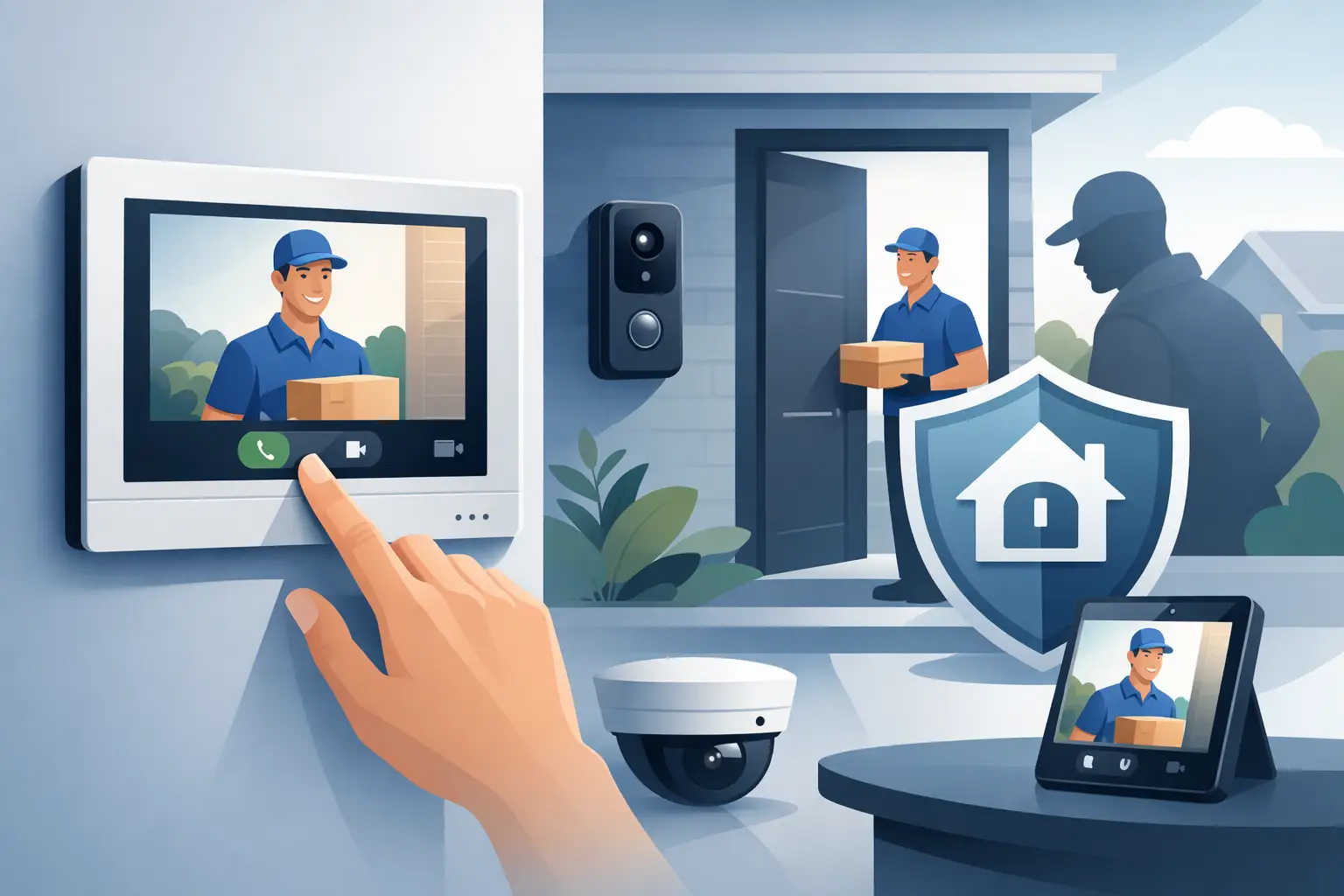
Dahua Indoor Monitor Review for Safer Entry
Dahua indoor monitor review for homes, flats and businesses: assess POE reliability, call handling, access control and installation value for shared sites.