


Choosing a remote cctv monitoring app? Learn what matters: alerts, playback, privacy, user access, and setup for homes and small businesses.
Professional CCTV Installer Benefits

A CCTV system can look impressive on paper and still leave you with blind spots at the gate, glare across the driveway, or footage that is too poor to act on when something actually happens. That is where the professional CCTV installer benefits become clear. The value is not just in fitting cameras to a wall – it is in getting the right coverage, the right recording quality, and the right system behaviour for your property.
For homeowners, landlords and business operators, that difference matters. A poorly planned system can create a false sense of security. A properly designed one gives you usable evidence, stronger deterrence and day-to-day control from your mobile phone or monitor when you need it.
Why professional CCTV installer benefits go beyond fitting cameras
The biggest misunderstanding about CCTV is that installation is mainly a hardware job. It is not. Good installation starts long before the first cable is run or the first bracket is fixed.
A professional installer assesses how the property works in real life. That means looking at entry points, vehicle access, weak perimeter areas, delivery routes, shared spaces, public-facing zones and lighting conditions after dark. In a home, the front drive might be the priority. In an office, it may be controlled entry, reception, staff access points and car parking. In a nursery or managed building, accountability and safe monitoring are often just as important as deterrence.
This is why a free site survey is not a formality. It is where the system is shaped around the risks on your property rather than around a generic kit. You are less likely to pay for cameras you do not need, and far more likely to get coverage that actually serves a purpose.
Better camera placement means better evidence
One of the clearest professional CCTV installer benefits is correct camera positioning. This sounds obvious until you see how many systems are mounted too high, too low, too wide or aimed into difficult light.
A camera that captures a broad view of a driveway may be useful for general monitoring, but that does not always mean it will capture a clear face, number plate or sequence of events. Sometimes you need overview coverage. Sometimes you need identification coverage. Often, you need both.
A professional installer balances these needs. They consider field of view, likely movement paths, lens choice and mounting height. They also account for practical issues such as tamper risk, weather exposure and whether nearby trees, fences or signs will interfere with the image over time.
That planning becomes even more important at night. Modern surveillance can do far more than produce a grainy black-and-white clip. With the right camera technology, smart illumination and intrusion-triggered colour night coverage, you can achieve much more actionable visibility after dark. The point is not to have footage for the sake of it. The point is to see what happened, where it happened and who was involved.
The right system is not always the biggest system
Another major advantage of using a professional installer is honest specification. More cameras do not always mean more protection. In some properties, strategic placement of fewer, better cameras will outperform a larger but poorly thought-out setup.
This matters because many buyers arrive with a rough idea of what they think they need. Sometimes they underestimate the job. Just as often, they are at risk of being sold far more than the property requires. A consultative installer should do neither. They should explain the options plainly, show you where each camera adds value, and recommend a system that fits the site and budget.
That applies to recording equipment and storage too. Retention periods, image resolution and remote access all need to match the property’s use. A small home and a busy commercial premises have different demands. If you are responsible for a shared building, a regulated setting or a site with regular visitor traffic, the system needs to reflect that from the outset.
Reliability is built into the installation, not added later
CCTV problems are often blamed on the equipment when the real issue is installation quality. Poor terminations, unstable power, bad network configuration, weak Wi-Fi dependence or badly protected external cabling can all reduce system performance.
A professional installation addresses these details properly. Cameras are secured correctly, connections are protected, recorders are configured to suit the job and remote access is set up in a way that is practical for daily use. If the system includes IP devices or PoE-connected equipment, that infrastructure needs to be planned rather than improvised.
This is especially important for business sites and managed environments, where failure is more than an inconvenience. If a key camera drops out at the wrong time, or remote viewing stops working when you are away from site, the whole purpose of the system is weakened. A professional installer reduces that risk by building for reliability from day one.
Professional CCTV installer benefits include simpler day-to-day use
The best CCTV system is not the one with the longest spec sheet. It is the one that gives you confidence without becoming a chore to manage.
For most customers, that means being able to check live views quickly, review events without confusion and trust that recording is taking place properly in the background. It also means notifications and night settings being configured sensibly. Too many alerts and people start ignoring them. Too few, and important activity can be missed.
An experienced installer will set the system up around how you actually use the property. A homeowner may want fast access to front door, garden and driveway views from a mobile phone. A facilities manager may need clear monitoring of entrances, delivery points and communal spaces. A landlord or building manager may want CCTV to work in step with door entry and access control so there is a clearer record of who came and went.
When the system is intuitive, people use it. When they use it, they spot issues earlier and get more value from the investment.
CCTV works best when it fits the wider security plan
CCTV should not be treated as a standalone purchase if the site has broader security needs. Many properties benefit from joining surveillance with door entry, alarms, perimeter protection or external lighting.
For example, a multi-occupancy building may need CCTV at the entrance, shared area monitoring and a reliable IP video door entry system with controlled credentials such as keypad, card or fob access. An office may need the same joined-up approach, especially where deliveries, staff access and visitor control overlap. A home may benefit from cameras linked to intrusion points and smart illumination so the image captured at the critical moment is clearer and more useful.
This is another area where professional advice matters. The right installer sees the property as a working environment, not as a collection of separate products. That leads to better decisions and fewer gaps between systems.
Compliance, privacy and positioning need careful handling
There is also a practical legal and reputational side to CCTV. Domestic users and businesses alike need to think about where cameras are pointed, what areas are being captured and how footage is managed.
This does not mean CCTV is difficult to implement. It means the system should be installed with care. In commercial settings especially, poor positioning can create avoidable privacy concerns or lead to complaints. In shared or managed buildings, the stakes are higher because residents, visitors and staff all expect a sensible, proportionate approach.
A professional installer can advise on positioning and coverage boundaries so that security goals are met without careless overreach. That is part of responsible design, and it protects the customer as much as the property.
After-sales support is one of the most overlooked benefits
A CCTV installation should not feel like a handover and goodbye. Questions come up after the system is fitted. People change mobile phones, passwords get forgotten, settings sometimes need refining, and customers may want to expand coverage later.
This is why after-sales support matters so much. It is one of the strongest reasons to choose an established installation company rather than buying on price alone. Knowing that help is available if something needs adjusting gives customers confidence to use the system properly.
For many buyers, this is the real dividing line between a transaction and a service. A dependable installer stays accountable after the job is finished. That matters whether you are protecting a family home, a rental property, a nursery, a block of flats or a small business.
NRI Security Ltd builds its service around that principle – clear advice, quality installation and support that continues after the system goes live.
Choosing professional installation is really about reducing uncertainty. You know the cameras are in the right places, the night coverage is fit for purpose, the recording is dependable and the system suits how your property actually operates. When security is done properly, you do not just own CCTV – you have coverage you can trust when it counts.
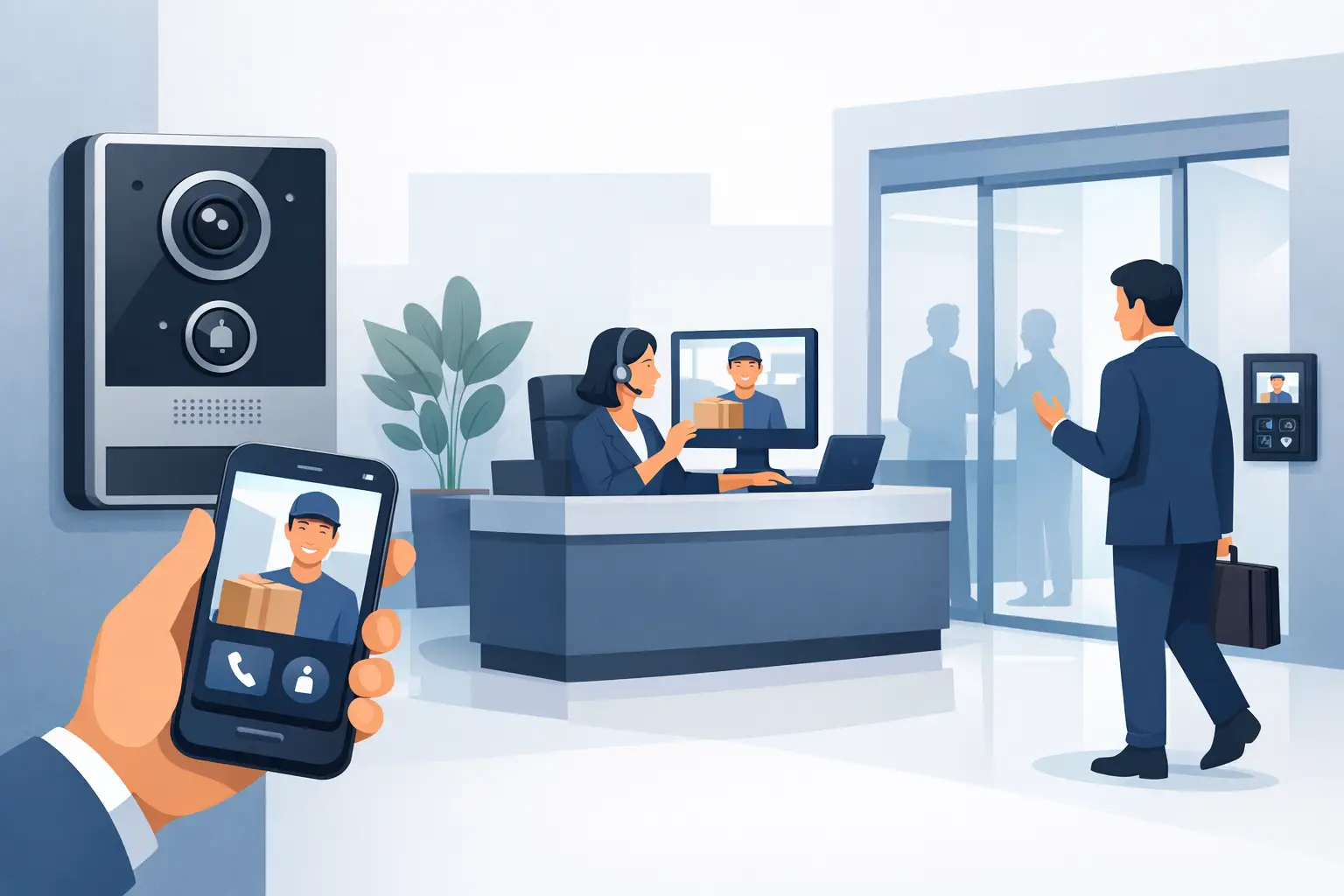
Choosing Video Door Entry for Office Reception
Video door entry for office reception gives staff controlled access, clear visitor checks and reliable records. Learn what the right system should include.

What Home CCTV Tech Is Worth Buying?
Learn which latest CCTV technology for homes genuinely improves security, from smart alerts to colour night vision and professional setup.
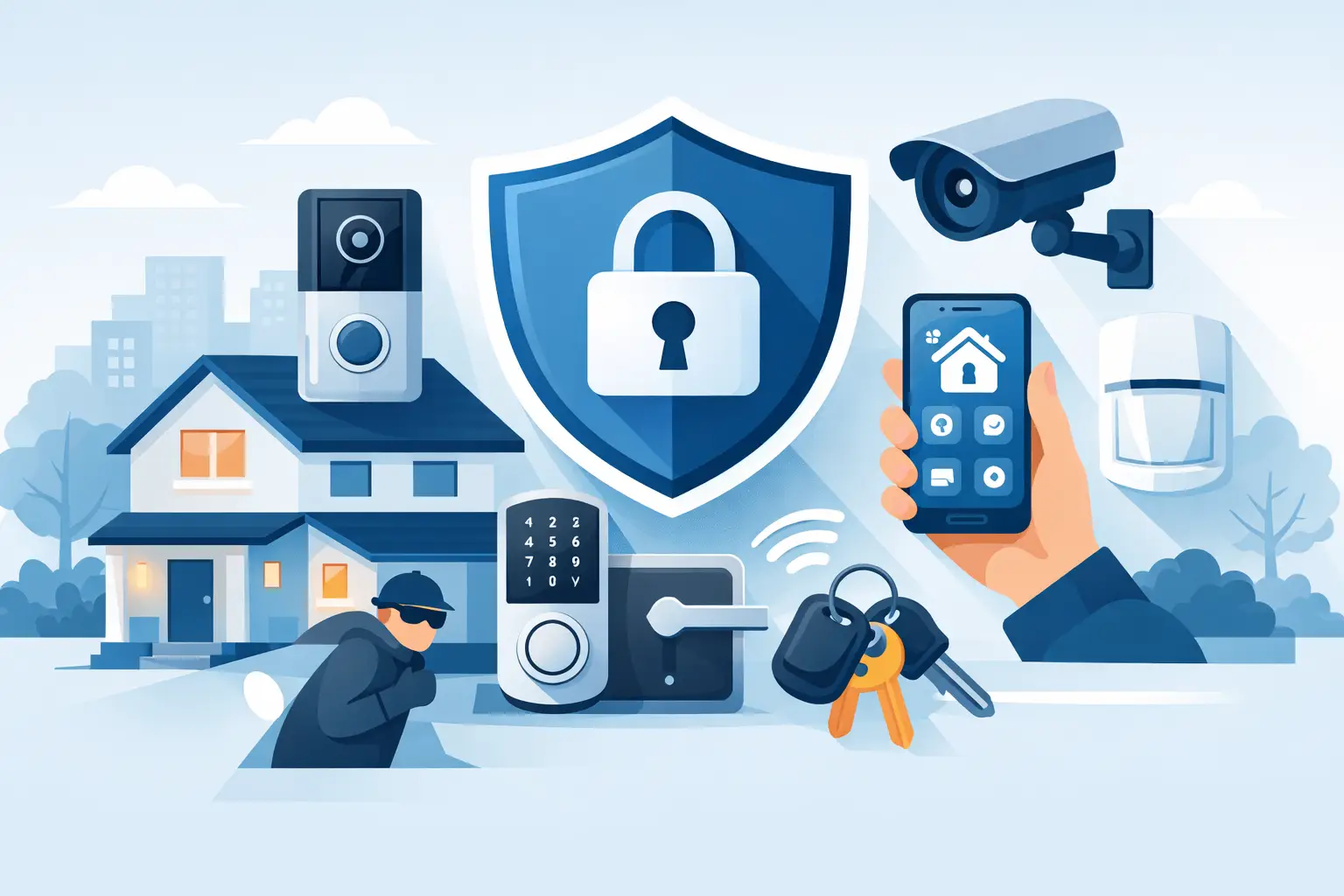
Best Security Upgrades for Landlords That Work
Choose the best security upgrades for landlords, from CCTV and controlled entry to smart lighting, with clear advice on coverage, compliance and support.

Free CCTV Site Survey: What You Really Get
A free cctv site survey shows what cameras you need, where they should go, and what it will cost. Avoid blind spots and overspend.

Wired vs Wireless Alarm Systems
Compare wired vs wireless alarm systems for homes and businesses. See the real trade-offs in reliability, installation, upkeep and cost.

Ajax Alarm System Review UK
Ajax alarm system review UK – a clear look at features, app control, reliability, costs and whether Ajax suits homes and businesses.

CCTV Cameras Versus Video Doorbells Compared
CCTV cameras versus video doorbells: compare coverage, deterrence and installation to choose dependable protection for your home or business premises.

Smart Door Entry for Nurseries Safeguarding
Smart door entry for nurseries safeguarding helps control access, verify visitors and support staff with clear, reliable entry records and video.

Colour Night Vision CCTV Cameras: Worth It?
Colour night vision CCTV cameras capture clearer detail after dark, helping you identify people and vehicles. Learn how they work and where they fit.
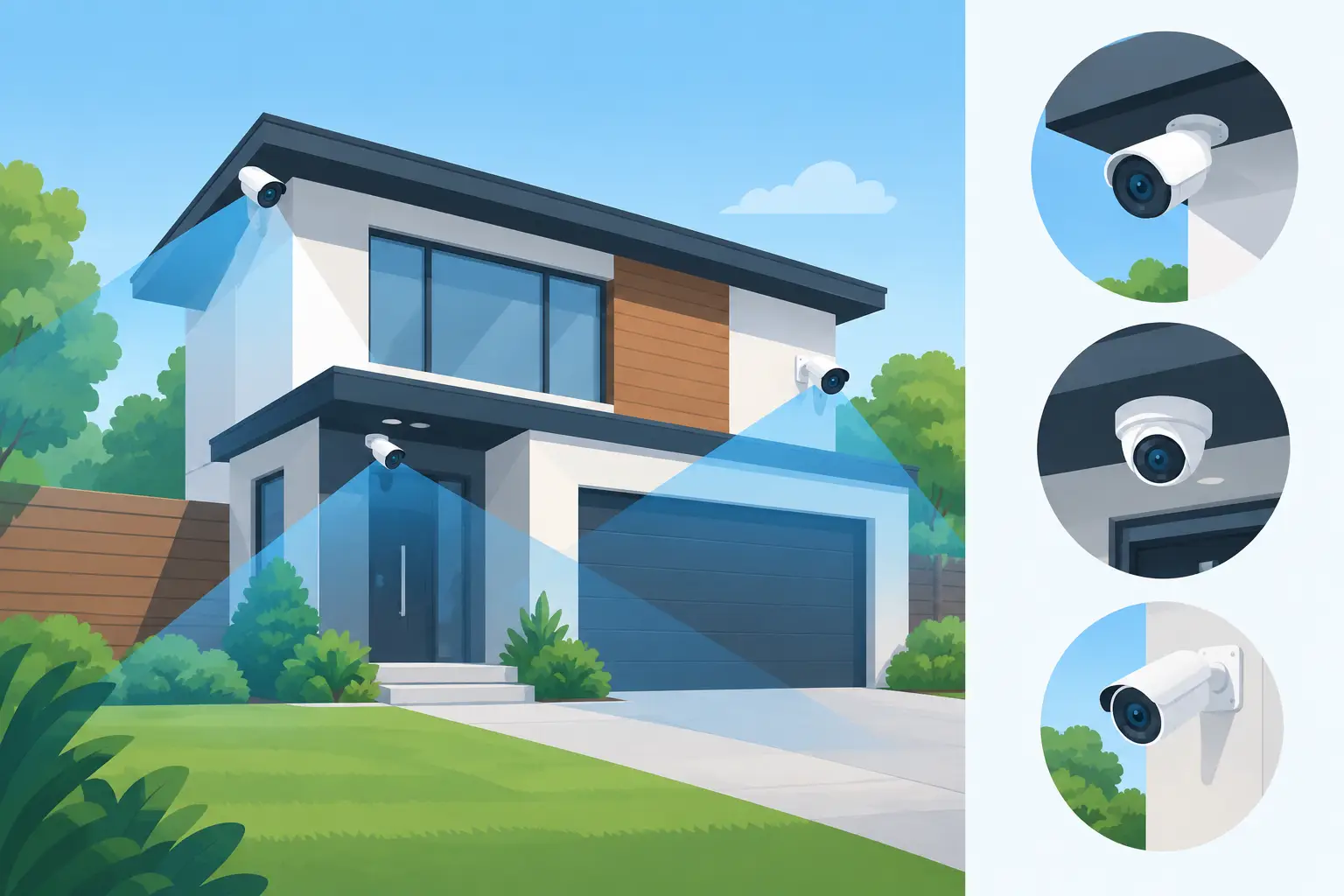
How to Position Security Cameras Properly
Learn how to position security cameras for clear evidence, safer access points and dependable night coverage at home or your business property every day.

Best CCTV for Detached Houses in 2026
Choosing the best cctv for detached houses comes down to coverage, lighting, recording and install. Get a clear, practical spec that fits.