
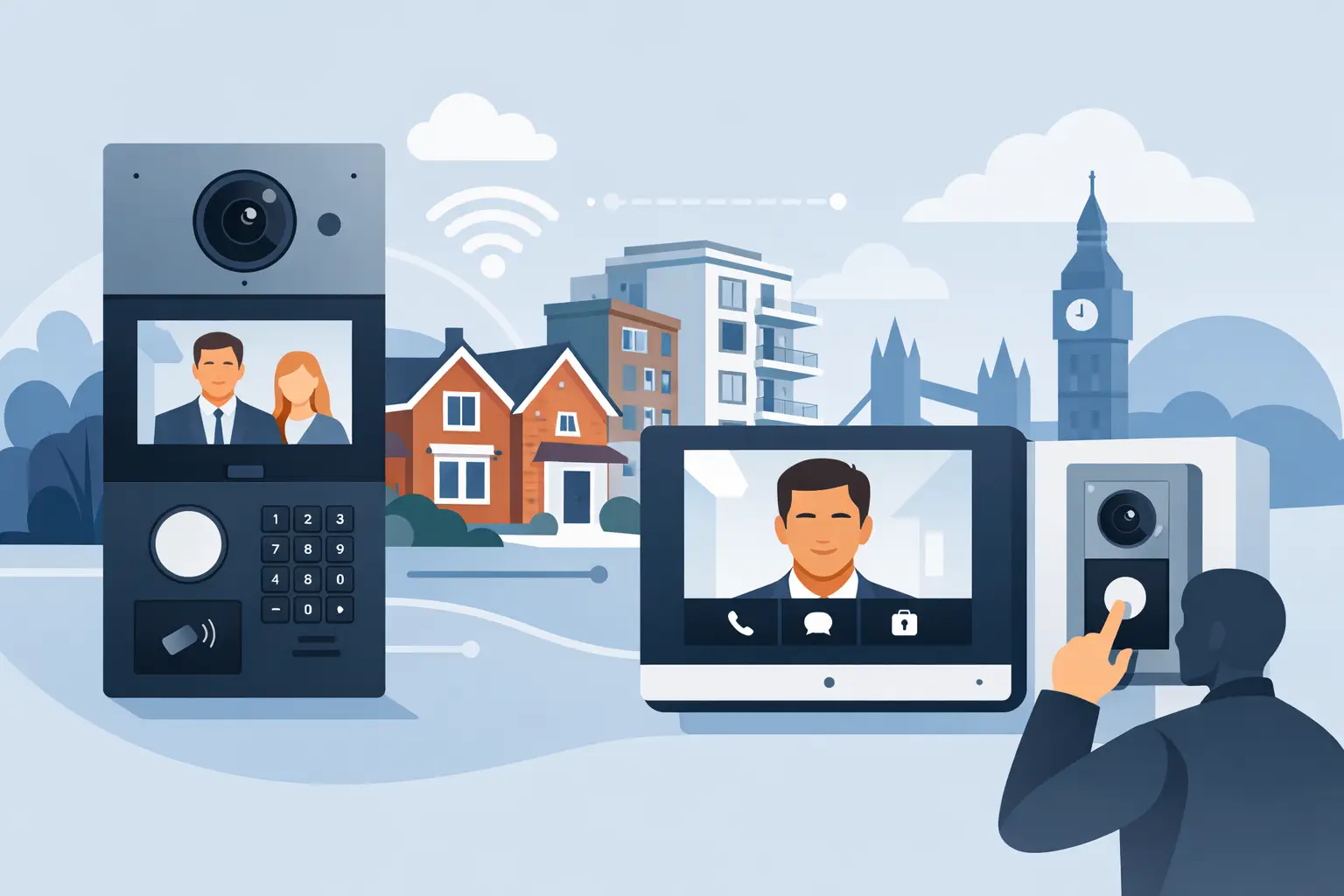


Read our Dahua IP intercom system review for a clear look at door entry, PoE monitors, remote access, installation and who it suits best in the UK today.
Best Security Upgrades for Landlords That Work
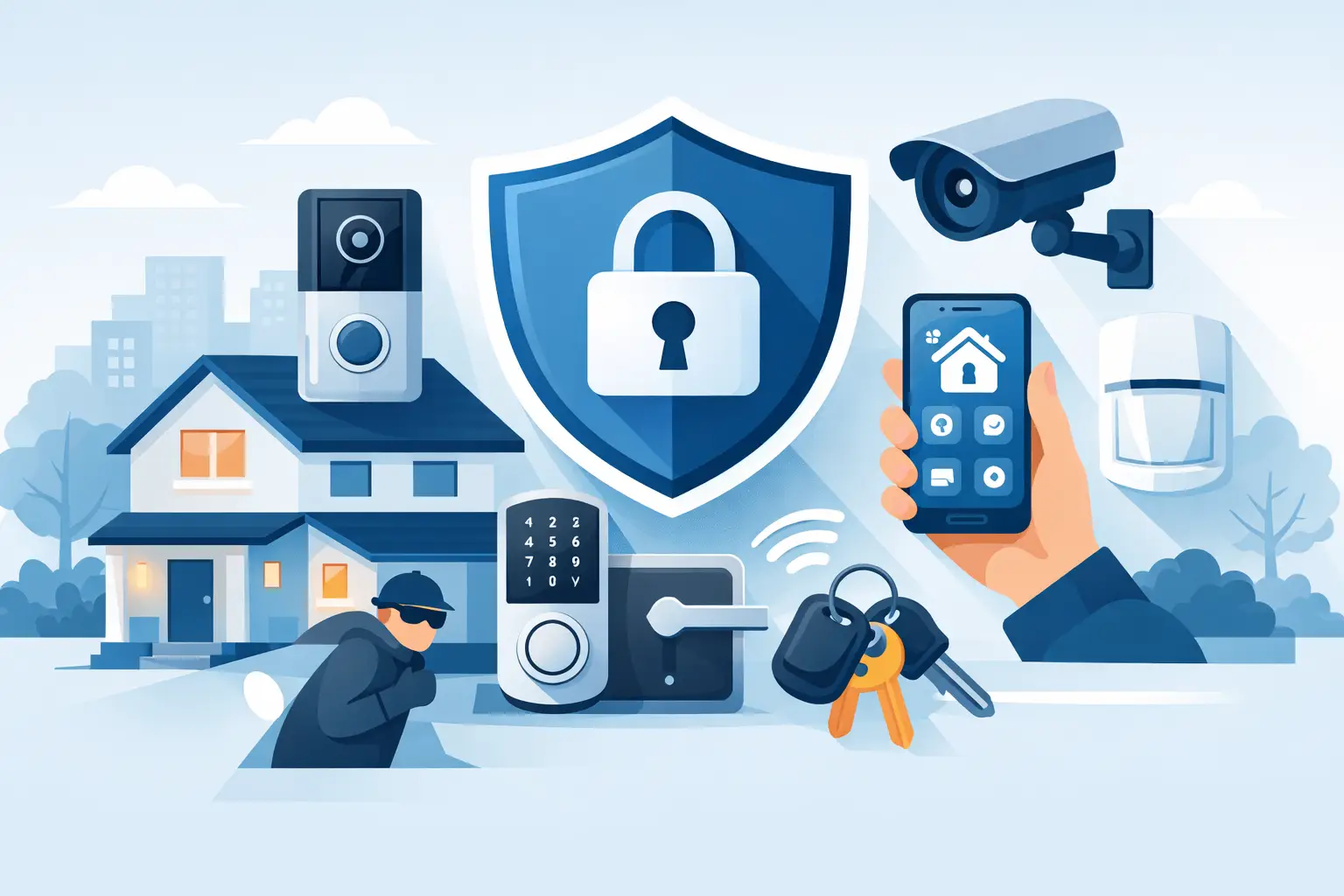
A broken communal door, an unlit side passage or a blind spot beside the bins can quickly become more than a maintenance issue. They create opportunity. The best security upgrades for landlords address those weak points in a way that protects tenants, deters unwanted visitors and gives you clear evidence if an incident occurs.
The right answer is rarely a box of equipment bought in isolation. A Victorian conversion with three flats needs a different approach from a managed block, HMO or rental house with a rear garden. The starting point is understanding how people enter, move around and leave the property – then specifying security that tenants can use every day without friction.
Start with the areas that create the greatest risk
Before choosing cameras or door entry equipment, walk the site as an intruder would. Check the front entrance, side and rear access, bin stores, shared corridors, car parks, gates and any outbuildings. Look at the property after dark as well as in daylight. A camera may cover the right area in the daytime but deliver little useful identification if the scene is poorly lit at night.
Also consider the history of the building. Repeated parcel theft, tailgating through a communal entrance, vandalism or disputes over unauthorised access point to different solutions. A free site survey is valuable because positioning, lighting, cable routes and sightlines determine whether a system provides evidence or simply records a vague shape in the distance.
Security should also be proportionate. A single rental home may need a well-positioned video doorbell, external lighting and a monitored alarm. A multi-occupancy building may require controlled entry, CCTV at key shared areas and a clear process for adding or removing tenant credentials.
CCTV that provides usable evidence
CCTV remains one of the strongest upgrades for landlords because it combines visible deterrence with accountability. However, more cameras do not automatically mean better protection. The objective is to achieve clear, reliable coverage at decision points: entrances, exits, access gates, driveways and vulnerable shared spaces.
A professionally designed system considers camera height, viewing angle, resolution, storage time and lighting. Cameras placed too high may show what happened but not who was involved. Cameras aimed across a bright entrance can lose facial detail unless exposure is correctly managed. Equally, a system with insufficient recording capacity may overwrite footage before an incident is reported.
Colour night coverage can make a major difference around entrances, paths and parking areas. Modern cameras paired with smart illumination can maintain a clear colour image when activity is detected, rather than relying on a flat black-and-white picture. This is particularly useful where tenants return late or where a side passage becomes vulnerable after dark.
Remote viewing adds practical control. Landlords and managing agents can check live images from an authorised device, verify an issue reported by a tenant and review recorded events without having to attend the property immediately. Access should be set up carefully, with strong passwords and clear rules on who is authorised to view footage.
For communal properties, CCTV must be used responsibly. Cameras should focus on shared and external areas, not inside flats or private spaces. Clear signage, a documented reason for the surveillance, appropriate retention periods and secure access to recordings all help meet data protection responsibilities. A good installer can help you build a system around the property and its lawful use, not just the equipment.
Controlled entry stops problems at the door
The communal front door is often the most valuable point to upgrade. If it does not close properly, if a lock is shared between former tenants, or if residents routinely let strangers follow them in, other security measures are working from a weak foundation.
IP video door entry gives residents the ability to see and speak to callers before granting access. Dahua systems, for example, can combine an external door station with POE-connected 7-inch Android monitors inside each flat. This creates a dependable, hard-wired communication route while keeping the day-to-day experience simple for residents.
Credential options matter because every building operates differently. A keypad can suit a small managed property where codes are changed regularly. Cards and fobs are often better for blocks, offices and HMOs because lost credentials can be removed without changing every resident’s access. For higher-risk entrances, a video call before release adds another layer of control.
The key is management. When a tenant leaves, their fob or code should be removed promptly. When contractors need access, it should be limited and traceable where possible. Controlled entry is not only about stopping an intruder. It helps landlords maintain an accurate picture of who should have access to the building.
Improve lighting without creating nuisance
Good lighting changes behaviour. It makes an approach to the property less attractive to an intruder and helps cameras capture a clearer image. Yet a permanently bright floodlight can annoy neighbours, disturb bedrooms and waste energy.
Smart, intrusion-triggered illumination is usually the better balance. It can bring light to a driveway, entrance or passage when someone approaches, supporting both deterrence and colour CCTV coverage. The light should be directed at the relevant route, not into neighbouring windows or across the road.
Consider lighting alongside landscaping and maintenance. Overgrown hedges create hiding places and can block camera views. Damaged fencing, loose gates and obscured house numbers make a property harder to secure and harder for emergency services or visitors to identify. These straightforward measures support electronic security rather than replacing it.
Add an alarm for areas cameras cannot protect
CCTV records and deters, but it does not physically stop entry. An intruder alarm provides an immediate response when a protected door, window or internal area is breached. This is particularly valuable for vacant periods, properties undergoing refurbishment, landlord storage areas and homes with a history of attempted break-ins.
Modern wireless alarm systems, including Ajax installations, can protect doors, windows and movement routes without extensive disruption to finished interiors. Notifications can be sent to authorised users, allowing a landlord or managing agent to act quickly. The design still matters: a badly placed sensor, unreliable signal path or system that tenants find difficult to operate will soon be ignored.
For an HMO or occupied rental, agree how the alarm will be used before installation. A full-setting system may suit a house that is empty between lets, while a partially set arrangement may be needed where tenants remain inside. Clear handover instructions reduce false alarms and make the system part of normal property management.
Do not overlook physical security and maintenance
Electronic systems work best when doors, locks and frames are sound. Check that external doors close and latch consistently, glazing is suitable for the risk level, and rear gates cannot simply be lifted from their hinges. Letterbox protection may be relevant where thumb-turn locks could be reached from outside.
Maintenance is a security upgrade in its own right. A failed communal closer, dead access-control battery, dirty camera lens or damaged cable can quietly undo an otherwise good installation. Set responsibility clearly between landlord, agent and contractor. Tenants should know how to report faults, and faults affecting entrance security should be treated with appropriate urgency.
Choosing the best security upgrades for landlords
Prioritise investment according to the property’s actual exposure. For a single buy-to-let, secure external doors, motion-activated lighting and targeted CCTV may provide the strongest return. For a block of flats, controlled communal entry and carefully planned CCTV usually take priority. For an HMO, reliable entry management, good external lighting and an alarm strategy can work together to protect both residents and the building.
Avoid a one-size-fits-all package. Ask how footage will be stored, how long it will be available, who can access it, what happens during a power or network interruption, and how support is handled after installation. You should also ask whether the proposed coverage has been tested for night-time visibility rather than judged from a daytime plan.
NRI Security takes a consultative approach because the correct system begins with the site, not a sales target. A no-obligation survey can identify the access points and blind spots that genuinely need attention, then provide a clear specification that suits the property and its tenants.
The most useful upgrade is the one your tenants trust, your managing team can operate and your installer will continue to support. Start with the entrance and the darkest vulnerable route, then build protection around the way your property is actually used.

CCTV for Flat Entrance Doors: What Works
CCTV for apartment building entrance: learn what to cover, camera types, night vision, privacy rules, and setup tips for safer shared entryways.

Upgrade Old Analogue CCTV to IP
Learn how to upgrade old analogue CCTV to IP, what can stay, what must change, and how to improve image quality, access and control.

Your Guide to Wireless Alarm Installation
Use this guide to wireless alarm installation to plan reliable protection, smart device placement, app control and ongoing support for your property today.

Best Entry Systems for Nurseries
Find the best entry systems for nurseries, from video door entry to access control and CCTV, with practical advice on safety, control and daily use.

CCTV Maintenance Contract for Small Businesses
A CCTV maintenance contract for small businesses keeps cameras, recording and remote access reliable, compliant and ready when incidents happen.

Access Control for Small Business Office Use
Access control for small business office sites improves safety, accountability and day-to-day entry management without adding unnecessary complexity.
Best Security Cameras for Nurseries That Protect
Choose the best security cameras for nurseries with clear guidance on coverage, privacy, night vision, access control and professional installation support.

CCTV Systems That Protect Homes and Businesses
CCTV systems give homes and businesses evidence, stronger deterrence and remote reassurance. Learn how to specify coverage that works when it matters most.

Access Control That Fits the Way You Work
Access control helps you manage who enters, when, and how. See what matters most for homes, offices, flats, and managed buildings.

CCTV Recording Retention Period UK Explained
Understand the CCTV recording retention period UK organisations should set, balancing security evidence, storage capacity and UK data protection duties.

How to Connect CCTV to Your Phone Securely
Learn how to connect CCTV to phone securely, view live footage, receive useful alerts and protect your home or business wherever you are, with confidence.