


CCTV vs intruder alarm – understand what each system does, where it works best, and when combining both gives stronger protection and control.
Home CCTV Installation That Covers What Matters
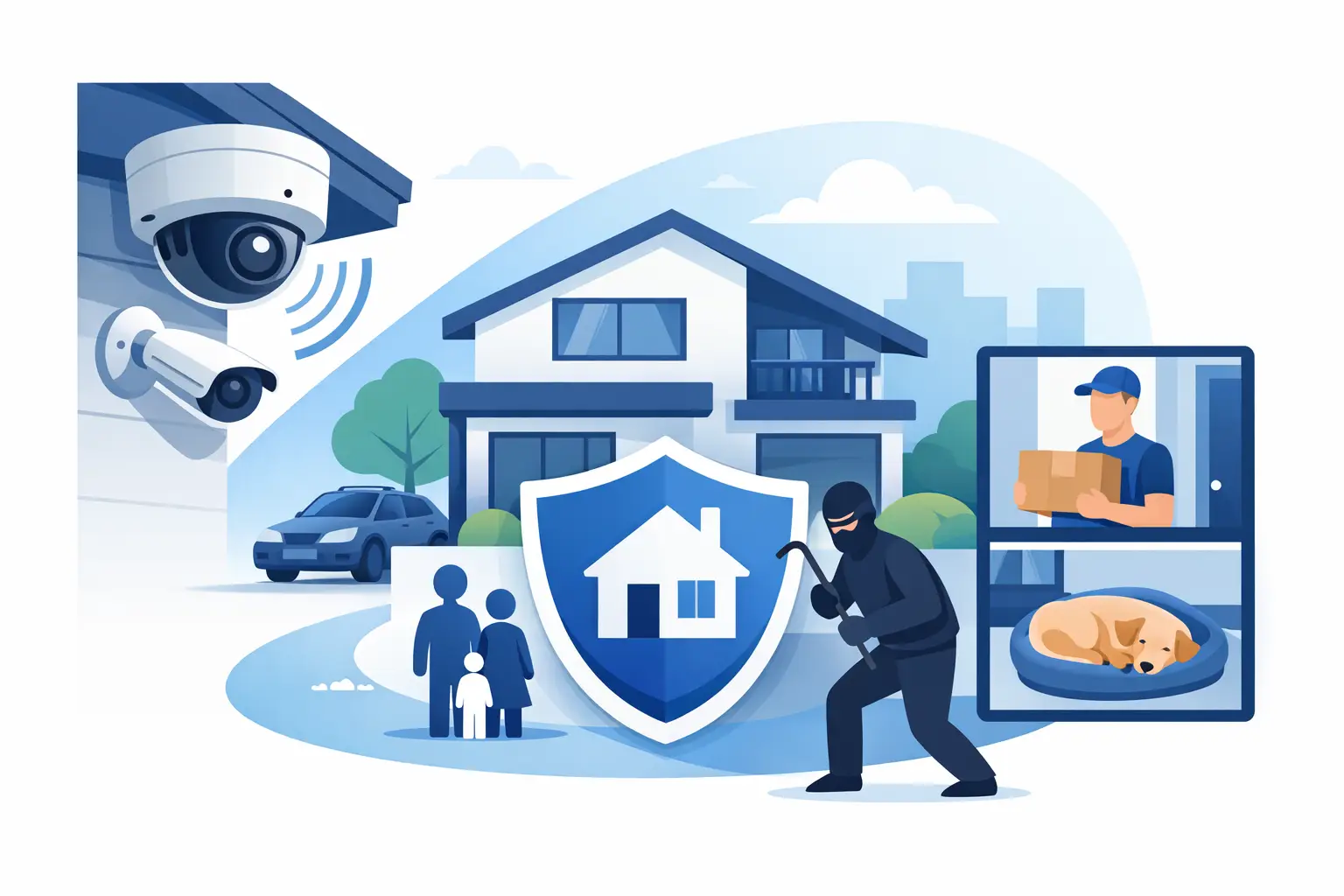
A camera above the front door may record a visitor, but it will not necessarily show where they came from, where they went, or whether another route into the property was left exposed. Effective home CCTV installation is not about fitting the most cameras possible. It is about creating clear, dependable coverage of the moments and places that matter, then making that footage easy for you to view when you need it.
For homeowners, landlords and property managers, the right system provides more than recorded video. It creates a visible deterrent, gives you oversight when you are away, and supplies useful evidence if something happens. The difference lies in the design, the positioning and the quality of the installation.
Start with the risks around your property
Every property has different pressure points. A terraced home with a rear alley needs a different approach from a detached house with side access, a long drive and several garden entry points. Before choosing cameras, consider how someone could approach, enter or leave the property.
The front door, driveway, side gate, rear garden, garage and outbuildings are common priorities. Windows that are screened by fencing or planting may also need consideration. The aim is not to watch every inch of the boundary at all times. It is to remove blind spots around likely access routes and capture usable images at key decision points.
A professional survey should also account for the practical details that affect performance: the height of a camera, available cable routes, the strength of Wi-Fi where relevant, nearby lighting, tree growth, reflective surfaces and the direction of the sun. A camera facing directly into afternoon sunlight, for example, can be far less useful than one positioned a few metres away at a better angle.
Home CCTV installation is about evidence, not just images
A wide view can look reassuring on a mobile app, yet still be too broad to identify a face, vehicle registration or meaningful activity. This is one of the most common mistakes in poorly planned systems. Coverage should be matched to the question you need the camera to answer.
At a front entrance, you may need a clear facial image of anyone approaching the door. On a driveway, you may want a wider view that captures vehicles arriving, turning or leaving. At a side passage, the priority may be seeing a person crossing an intrusion line rather than recording a large area of wall and paving.
Camera position, lens selection and mounting height all affect the result. Cameras mounted too high can provide a useful overview but poor identification. Cameras placed too low can be tampered with or obstructed. The right balance depends on the location and the purpose of each camera.
A good installer will talk through these choices plainly. You should know what each camera covers, why it has been placed there, and what level of detail you can reasonably expect from the footage.
Why colour night coverage changes the picture
Many incidents happen after dark, when conventional black-and-white infrared footage can lose detail. It may show movement, but clothing colour, vehicle colour and other identifying features can be unclear.
Modern systems can use smart illumination to provide colour night coverage when activity is detected. Rather than flooding the garden with bright light throughout the night, the system can respond when it matters. An intrusion-triggered light can make an unwelcome visitor more visible, improve the footage being recorded and act as a clear deterrent.
There are trade-offs. Lighting must be positioned responsibly so it does not disturb neighbours, shine into bedrooms or create unnecessary glare. In some locations, infrared may remain the better option. The correct approach depends on the layout of the property, surrounding homes and the areas you need to protect.
Choose reliable recording and access
CCTV is only useful if the footage is available when you need it. That means considering how long recordings are retained, how they are stored and how you will access them.
A professionally specified system typically records to a dedicated recorder rather than relying only on short clips saved to a memory card. The amount of storage required depends on the number of cameras, recording quality, whether the cameras record continuously or on motion, and the retention period you need. A busy driveway will generate more footage than a quiet rear garden.
Remote viewing is equally valuable, provided it is configured properly. Secure access through your mobile phone or tablet allows you to check the property while at work, travelling or away on holiday. It can be particularly reassuring for landlords monitoring communal areas and homeowners waiting for a delivery or checking an alert.
However, remote access should not replace sound security habits. Use strong, unique passwords, keep authorised users to a sensible number and ask your installer to explain how account access is managed. If a household member moves out or a managing agent changes, permissions should be updated promptly.
Wired, wireless and the importance of a clean installation
Wireless cameras have their place, especially where cable routes are genuinely impractical. They can be quick to deploy, but they depend on reliable wireless coverage and need ongoing battery management where they are not mains powered.
For permanent exterior coverage, a wired IP system is often the stronger long-term choice. It avoids routine battery changes and can provide a stable connection for high-quality recording. Power over Ethernet, commonly known as POE, carries power and data through a single network cable, allowing cameras to be installed neatly without separate local power supplies.
The quality of the cable work matters as much as the camera itself. External cabling should be protected, entry points should be sealed appropriately, and equipment should be installed securely and tidily. Poorly routed cables can be vulnerable to damage, create an untidy finish and make future servicing harder.
Make CCTV part of a wider security plan
CCTV is a powerful layer of protection, but it works best alongside other sensible measures. A camera can help you see an approach to the front door; good locks, security lighting and controlled access help make entry more difficult.
For properties requiring stronger control at the entrance, an IP video door entry system can complement CCTV. Dahua door entry solutions can provide live video and two-way communication, with credentials such as keypad codes, cards and fobs where appropriate. For larger homes, managed blocks or mixed-use properties, POE-connected Android monitors can offer a practical way to manage visitors from inside the building.
Alarm integration is also worth discussing. When a perimeter or intrusion event triggers a response, CCTV can provide immediate visual context. Instead of receiving a vague alert, you can see what caused it and decide whether action is needed. This is where carefully planned coverage becomes genuinely useful.
What to expect from a professional survey
A free site survey should feel like a conversation about your property, not a sales pitch for the biggest package. The installer should ask about your concerns, how you use the building, who needs access to the system and whether you have experienced particular issues such as parcel theft, nuisance callers or unwanted access through a side gate.
You should receive a clear, no-obligation quotation that explains the proposed equipment, camera locations, recording arrangement and any optional features. If a proposed camera does not solve a real problem, ask why it is included. A right-fit system is easier to use, easier to maintain and less likely to waste your budget.
At NRI Security, the focus is on advising customers towards practical coverage rather than adding equipment for its own sake. Installation should also include configuration, app setup, a demonstration of everyday use and support after the work is complete.
Privacy, neighbours and everyday use
Domestic CCTV must be used responsibly. Keep cameras directed towards your own property wherever possible and avoid recording a neighbour’s private garden, windows or other areas that are not necessary for your security. If a camera needs to cover part of a shared access route, position it carefully and ensure the purpose is proportionate.
Once installed, use the system regularly enough to stay familiar with it. Check that camera views remain clear after seasonal growth, clean lenses when required and test remote viewing before you rely on it during a trip away. A system that is simple for everyone in the household to operate is more valuable than one packed with features nobody uses.
The best home CCTV installation should give you a calm, clear view of your property without making security a daily burden. Begin with the areas you genuinely need to protect, ask for a design that explains every camera, and choose support that remains available long after the installers have left.

A Practical Guide to Home CCTV System Design
A practical guide to home CCTV system design, covering camera placement, night coverage, storage, remote viewing and choosing the right setup.

What Happens During a Security Survey Visit?
Find out what happens during a security survey, from identifying weak points to choosing CCTV, access control and alarms suited to your property needs.

NVR vs DVR CCTV Recorders: Which Is Best?
Compare NVR vs DVR CCTV recorders for homes and businesses. Learn how cameras, cabling, remote viewing, costs and image quality shape the right choice.

Card Access Versus Mobile Access: Which Fits?
Compare card access versus mobile access for homes, flats and offices. See the security, cost and management factors shaping the right choice for all.
Best Security Upgrades for Landlords That Work
Choose the best security upgrades for landlords, from CCTV and controlled entry to smart lighting, with clear advice on coverage, compliance and support.

Smart Home Security Installation Done Right
Smart home security installation works best when cameras, alarms and entry systems are designed properly, fitted well and supported after handover.

How to Improve Apartment Entry Security
Learn how to improve apartment entry security with better access control, CCTV, lighting and door entry planning for safer shared buildings.

CCTV Compliance for Small Businesses Made Clear
CCTV compliance for small businesses explained: plan lawful coverage, clear signs, secure footage and staff awareness without buying more than you need.

Analogue CCTV vs IP: Which Should You Choose?
Analogue CCTV vs IP – compare image quality, cost, cabling, remote access and future upgrades to choose the right system for your property.
Best Security Cameras for Nurseries That Protect
Choose the best security cameras for nurseries with clear guidance on coverage, privacy, night vision, access control and professional installation support.

Ajax Wireless Alarm Review for Homes and Firms
Ajax wireless alarm review for homeowners and businesses. See where it excels, where it has limits, and whether professional installation is worth it.