


CCTV for apartment building entrance: learn what to cover, camera types, night vision, privacy rules, and setup tips for safer shared entryways.
CCTV Systems That Protect Homes and Businesses

A camera is only useful if it captures the moment that matters: a face at the door, a vehicle entering the drive, a delivery dispute, or movement near a rear access point after dark. Properly designed CCTV systems give homeowners and business operators more than footage. They provide a visible deterrent, clear evidence and the reassurance of being able to check a property from wherever they are.
The difference between a camera installation that looks impressive and one that genuinely protects a property usually comes down to planning. Camera type, position, lighting, recording settings and network reliability all affect whether footage is useful when it is needed. A professional survey establishes those details before equipment is specified.
What a CCTV System Should Do for Your Property
For a homeowner, CCTV may be focused on protecting entrances, driveways, gardens, garages and outbuildings. For a business, the priorities can extend to staff entrances, customer areas, stock rooms, car parks, gates and perimeter lines. In both cases, the aim is not to record every inch of the site indiscriminately. It is to create reliable coverage around the points where risk is highest.
A well-positioned visible camera can discourage opportunistic intrusion before it begins. If an incident does occur, high-quality recorded footage can help establish what happened, when it happened and who was involved. Remote viewing also puts coverage in the palm of your hand, allowing authorised users to check live images and review events through a suitable app.
However, remote viewing should support good security habits, not replace them. Cameras work best as part of a considered system that may also include lighting, access control, alarms and secure physical entry points.
CCTV Systems Need Design, Not Just Cameras
It is tempting to choose a camera based on headline resolution alone. Resolution matters, but it does not solve poor positioning, glare from a security light or a camera mounted too high to identify a face. The right design begins with the question: what must this camera prove?
At a front door, you may need clear identification of someone approaching the property. At a driveway, you may need to see vehicle movements and number plates under changing light conditions. Around a commercial building, wider overview coverage may be appropriate, while a loading area or controlled entrance may need more detailed images.
During a site survey, an installer should consider sight lines, likely approach routes, mounting heights, cable routes, available power, recording location and network access. They should also identify obstructions that change with the seasons, such as growing trees, gates left open or vehicles parked in different positions.
This consultative approach avoids two common mistakes: under-covering the areas that matter and paying for equipment that does not provide a practical benefit. The right system is not necessarily the largest one. It is the one designed around the risks of your specific property.
Coverage at Night Is a Key Decision
Many security incidents happen in low light, so night performance deserves close attention. Traditional infrared cameras can provide monochrome images in darkness. This can be effective, but black-and-white footage may not always provide the level of detail needed to distinguish clothing, vehicle colour or other useful features.
Modern options can use smart illumination and intrusion-triggered colour night coverage to provide clearer colour images when activity is detected. Rather than flooding an area with light all night, the system can respond when it needs to. That creates a stronger visible warning while improving the detail captured at the point of an event.
The correct approach depends on the location. A quiet residential garden needs a different lighting strategy from a busy office car park or nursery entrance. Excessive light can disturb neighbours, create reflections and leave parts of the scene poorly exposed. Careful placement is what turns a night camera into a useful security tool.
Recording, Storage and Evidence You Can Rely On
Live images are valuable, but recorded footage is what allows an incident to be reviewed properly. Your recording equipment should be sized around the number of cameras, image quality, expected activity and the retention period you require. A busy entrance generates more recorded material than a quiet side passage, particularly where motion-based recording is used.
Longer retention is not automatically better if it means compromising image quality or selecting storage that is unsuitable for continuous recording. The objective is to retain clear, accessible footage for an appropriate period. For businesses, this decision may also be informed by internal policies, insurer expectations and the nature of the premises.
Reliable recording also depends on installation standards. Cameras, network equipment and recorders need secure connections, protected cable routes and suitable power arrangements. A camera that drops offline intermittently can create a critical gap in coverage, even if the image quality is excellent when it works.
Remote Access Must Remain Controlled
Being able to view cameras on a mobile phone or tablet is one of the most useful features of a modern system. It is particularly helpful for landlords checking a shared entrance, office managers overseeing an out-of-hours delivery or homeowners away from the property.
Access should be set up for the people who genuinely need it, with individual credentials where appropriate. Default passwords should never be left in place, and permissions should be reviewed when staff leave or responsibilities change. For managed buildings, clear ownership of the system and its user access prevents confusion later.
Privacy and Camera Placement
CCTV brings responsibilities as well as protection. Cameras should be aimed at your own property and the areas you have a legitimate reason to monitor. Avoid unnecessary views into neighbouring homes, gardens or public areas. If part of a public space must be captured because of the layout of an entrance or boundary, the system should be designed to minimise that view wherever possible.
Businesses and landlords should also be clear with staff, residents and visitors about the presence and purpose of surveillance. Appropriate signage and sensible policies help demonstrate that monitoring is being used fairly and proportionately. Cameras are there to protect people, property and operations, not to create uncertainty.
CCTV Works Better Alongside Access Control and Alarms
A camera can show who arrived at a door. Access control helps determine whether they should be allowed in. For offices, flats, nurseries and other managed properties, IP video door entry can provide a controlled way to see and speak to visitors before granting access. Dahua IP door entry systems can support credentials such as keypads, cards and fobs, with POE-connected 7-inch Android monitors providing a practical internal point of control.
When CCTV is paired with intrusion detection, the system can become more responsive. An alarm event or perimeter trigger can draw attention to a specific camera view, activate suitable illumination and provide colour coverage when it is most valuable. This approach is especially useful around side gates, rear boundaries, yards and isolated access routes.
The benefit is clarity. Instead of asking whether a movement alert was caused by a person, an animal or weather, the property owner has a faster route to seeing what is happening.
Choosing an Installer Who Will Specify the Right System
The installer matters as much as the equipment. A professional should ask how the property is used, where previous concerns have occurred, who needs access and what level of monitoring is realistic for you. They should explain the trade-offs in plain language and provide a clear quotation rather than pushing a package that does not fit.
At NRI Security, that begins with a free site survey and no-obligation quotation. With more than 20 years of installation experience, the focus is on specifying dependable coverage, carrying out quality-assured work and remaining available for after-sales support once the cameras are in place.
Before committing, make sure you understand what is included: camera locations, expected views, recording duration, mobile access, power and network requirements, user training and ongoing support. A properly explained installation gives you confidence not only on day one, but when you need to retrieve footage months later.
The best time to assess your CCTV is before an incident exposes a blind spot. Walk around the property at daytime and after dark, consider the routes an intruder or unauthorised visitor would take, and ask whether your current coverage would provide a clear answer. If it would not, a site survey is a practical first step towards putting every important area under your control.

CCTV Installer Chorley: What Good Looks Like
Choosing a cctv installer chorley? Learn what a proper survey covers, the kit that matters, and how to avoid poor night footage and weak deterrence.

NVR vs DVR CCTV Recorders: Which Is Best?
Compare NVR vs DVR CCTV recorders for homes and businesses. Learn how cameras, cabling, remote viewing, costs and image quality shape the right choice.

Choosing a Dahua Door Entry Installer
Need a dahua door entry system installer? Learn what to expect from a proper survey, POE setup, access options, and reliable after-care.

Access Control Installation for Apartment Blocks
Access control installation for apartment blocks improves entry security, resident safety and daily management with the right system design.

Keypad Fob Card Access Control Explained
Keypad fob card access control gives homes and businesses safer entry, better tracking and simpler daily use when specified and installed properly.

Secure Remote Access to CCTV Explained
Secure remote access to CCTV gives you live viewing without opening your system to avoidable risk. Here’s how to set it up the right way.

Case Study: Door Entry for Apartment Blocks
A practical case study of door entry in apartments, covering access control, IP video, resident usability and installation choices that protect residents.
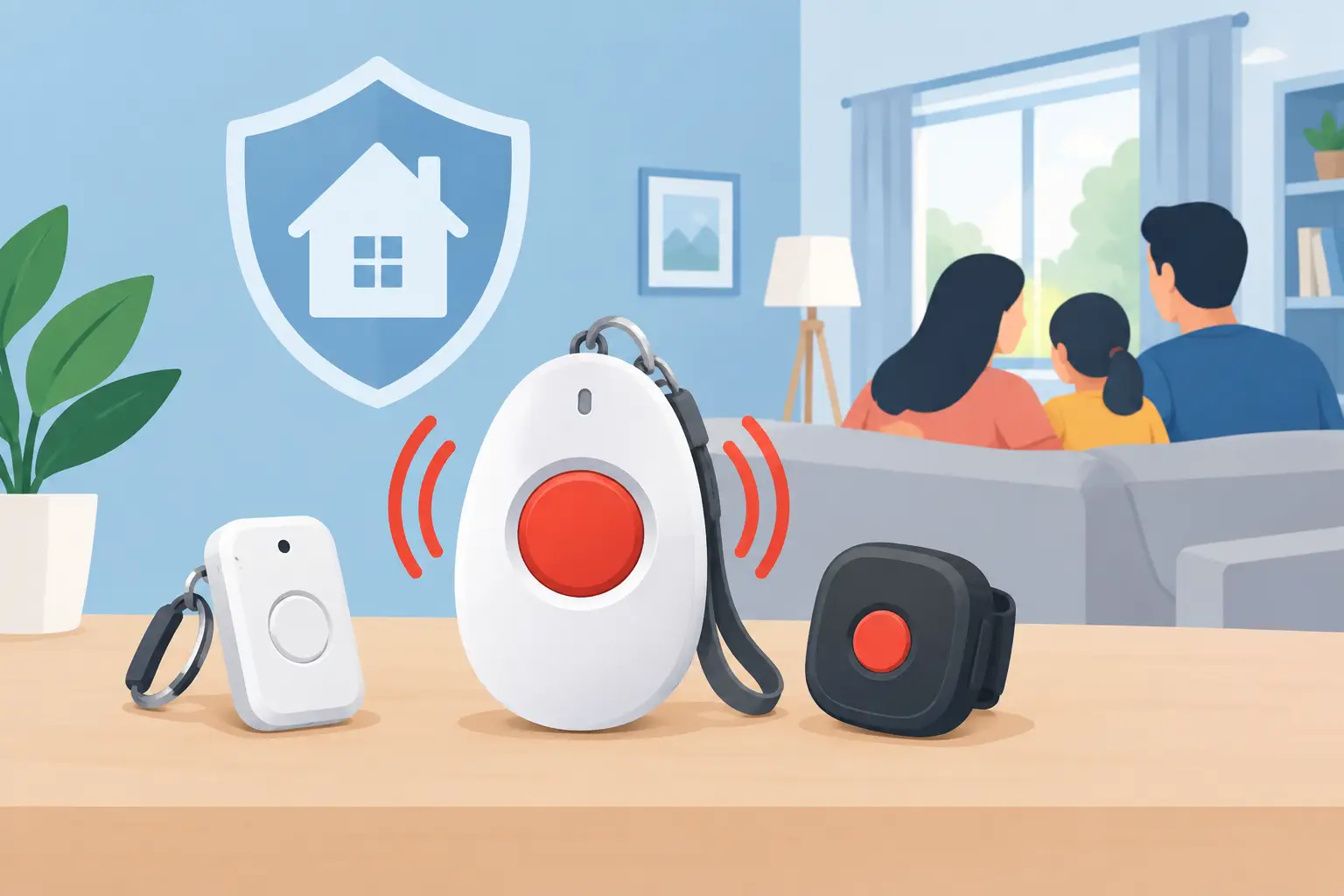
Best Panic Alarms for Homes and Families
Compare the best panic alarms for homes, from personal buttons to monitored systems, and choose reliable protection for your family, home and property.

How to Improve Apartment Entry Security
Learn how to improve apartment entry security with better access control, CCTV, lighting and door entry planning for safer shared buildings.

Your Guide to Wireless Alarm Installation
Use this guide to wireless alarm installation to plan reliable protection, smart device placement, app control and ongoing support for your property today.

CCTV Recording Retention Period UK Explained
Understand the CCTV recording retention period UK organisations should set, balancing security evidence, storage capacity and UK data protection duties.