


What CCTV cameras need internet? Learn which systems work offline, when internet helps, and how to choose the right setup for home or business.
Perimeter Security Cameras for Rear Garden

A rear garden is often the quietest side of a property – and the easiest place for someone to test doors, fences, sheds and blind spots without being seen from the road. That is exactly why perimeter security cameras for rear garden areas need more thought than simply fixing one camera above the back door. The goal is not just to record movement. It is to create early warning, clear identification and useful evidence, especially at night when most incidents happen.
For homeowners, landlords and small business operators, the right setup brings reassurance because you can see what is happening before an intruder reaches the building. For professional installers, that means treating the rear garden as a live perimeter, not as a leftover space at the back of the site.
Why rear garden coverage needs a perimeter approach
Most rear gardens have the same problem: access routes are obvious to an intruder but not always obvious to the person choosing cameras. Side gates, low fencing, alley access, flat roof sections, detached garages and dark boundaries all create approach paths. If your camera only covers the patio doors, you may record the final few seconds of an incident but miss the approach, the method of entry and where the person came from.
A perimeter-led design pushes detection outward. Instead of waiting until somebody is standing at the house, the system watches the likely lines of entry first. That gives you better deterrence and faster alerts. It also improves the chance of capturing usable images with proper facial detail, clothing description and direction of travel.
This matters even more where there is limited ambient lighting. Standard night vision may show shapes, but shape alone is rarely enough. Modern systems that combine smart illumination with intrusion-triggered full-colour night coverage can make a major difference when the system needs to show not just movement, but what actually happened.
What good perimeter security cameras for rear garden spaces should do
A well-designed rear garden system should detect movement where it matters, filter out activity that does not matter, and provide images that are clear enough to act on. Those three points sound simple, but they depend on correct specification and placement.
Detection starts with the right field of view. Wide-angle cameras can cover more ground, but if they are used carelessly they reduce detail at the key entry points. Narrower views can improve identification, especially at gates, fence gaps and side returns. In many gardens, one camera trying to cover everything is the wrong answer. Two or three correctly positioned cameras often give better results than one high-mounted unit with a broad but shallow view.
The second part is intelligence. Rear gardens are active spaces. Pets move, trees sway, spiders build webs, and neighbouring lights change. A system that sends alerts for every leaf movement becomes background noise very quickly. Smart analytics such as human and vehicle classification, intrusion zones and tripwire rules help reduce false alerts and keep attention on genuine events.
Then there is night performance. Infrared still has its place, particularly where discreet coverage is preferred, but there are situations where colour at night is far more valuable. If somebody crosses the garden in dark clothing, climbs a fence or approaches a shed, colour footage can add context that monochrome footage simply cannot. It depends on the site, the lighting and the risk level, but this is one area where proper advice matters.
Camera placement matters more than camera count
Poor placement can waste good equipment. In rear gardens, cameras are often fitted too high, too close to a wall, or aimed across a large open area with no clear priority. The result is footage that looks impressive on a screen but offers limited evidential value.
A better approach is to map the likely route an intruder would take. Start with boundary entry points such as gates, fence lines and access from neighbouring land. Then consider secondary targets including patio doors, French doors, garden rooms, sheds and garages. Cameras should support each other so that if one view catches an approach, another catches the next stage.
Height is a balancing act. Higher mounting can reduce tampering and increase coverage, but if the angle is too steep you lose facial detail. Lower mounting can improve identification, though it needs to be protected from easy interference. There is no universal rule because every property is different. A detached house with deep borders needs a different strategy from a terraced property with a narrow yard and rear alley access.
Lighting also changes placement decisions. A camera facing directly into security lighting, neighbouring floodlights or reflective glass may underperform at the exact moment you need it. This is where site-specific testing and adjustment become important.
The difference between seeing movement and seeing usable detail
Many people assume any recorded footage is good footage. It is not. The real question is whether the system captures enough detail to support a decision – whether that is checking an alert on your mobile phone, passing footage to police, or resolving a dispute about access, trespass or damage.
Usable detail depends on image resolution, lens choice, frame rate, lighting and distance from target. A camera with a high resolution figure on paper can still fail if it is covering too much ground. Rear garden systems work best when each camera has a job. One may watch the side gate for identification. Another may monitor the rear elevation for approach and attempted entry. A third may watch a detached outbuilding or the end of the garden where the boundary is vulnerable.
That job-based approach is usually better than chasing specification headlines. It leads to practical coverage, cleaner alerts and fewer weak points.
Wired, wireless and power considerations
For most permanent rear garden CCTV installations, wired IP cameras offer the most stable result. Power over Ethernet allows both power and data through a single cable, which helps with reliability and cleaner installation. It also supports stronger long-term performance than battery-dependent devices, particularly where frequent motion events would drain power quickly.
Wireless products can suit certain sites, especially where cabling is difficult or a short-term solution is needed, but there are trade-offs. Battery management, signal strength and delayed clip capture can become frustrating if expectations are not realistic. For customers who want dependable perimeter protection rather than occasional convenience, professionally installed wired systems are usually the better fit.
Storage matters as well. Rear garden incidents are not always noticed immediately. Footage retention should match the property type and usage. A family home may need a different recording period from a business yard, managed block or nursery setting. The key point is not just storing video, but storing the right quality for long enough.
Smart illumination and active deterrence
Rear gardens are a strong case for combining surveillance with lighting. Smart illumination can improve image quality and make the area less attractive to an intruder. In some systems, lights can be triggered by specific intrusion events rather than staying on constantly. That creates a more controlled response and avoids unnecessary nuisance.
There is a clear practical benefit here. If a person enters the garden and the camera switches to full-colour night coverage with targeted illumination, you gain more useful footage at the moment it matters. Depending on the property, audible warnings or linked alarm responses may also be appropriate, although too much automation can be counterproductive in quieter residential areas. Again, it depends on the site and the people using it.
Why a site survey is worth more than guesswork
Rear gardens vary enormously. Fence height, neighbouring boundaries, outbuildings, access rights, pets, planting, Wi-Fi conditions and existing lighting all affect the right solution. That is why a proper site survey is not a sales extra. It is the foundation of a system that works.
A consultative installer should look at risks, blind spots, cable routes, recorder location, night conditions and how you want to use the system day to day. Some customers want straightforward app access and reliable alerts. Others need stronger evidential coverage because of repeated trespass, vandalism or attempted entry. The right advice should narrow the solution, not inflate it.
This is where experienced installation makes a visible difference. Correct angle, correct lens choice, correct detection line and correct recorder settings are what turn cameras into a working perimeter. That practical approach is one reason customers choose NRI Security for straightforward guidance, professional installation and support after the job is complete.
If you are planning rear garden CCTV, focus less on how many cameras you can fit and more on what each one needs to achieve. A calm, well-specified perimeter system gives you better control, better visibility and a stronger first line of defence where properties are often most exposed.

CCTV Recording Retention Period UK Explained
Understand the CCTV recording retention period UK organisations should set, balancing security evidence, storage capacity and UK data protection duties.
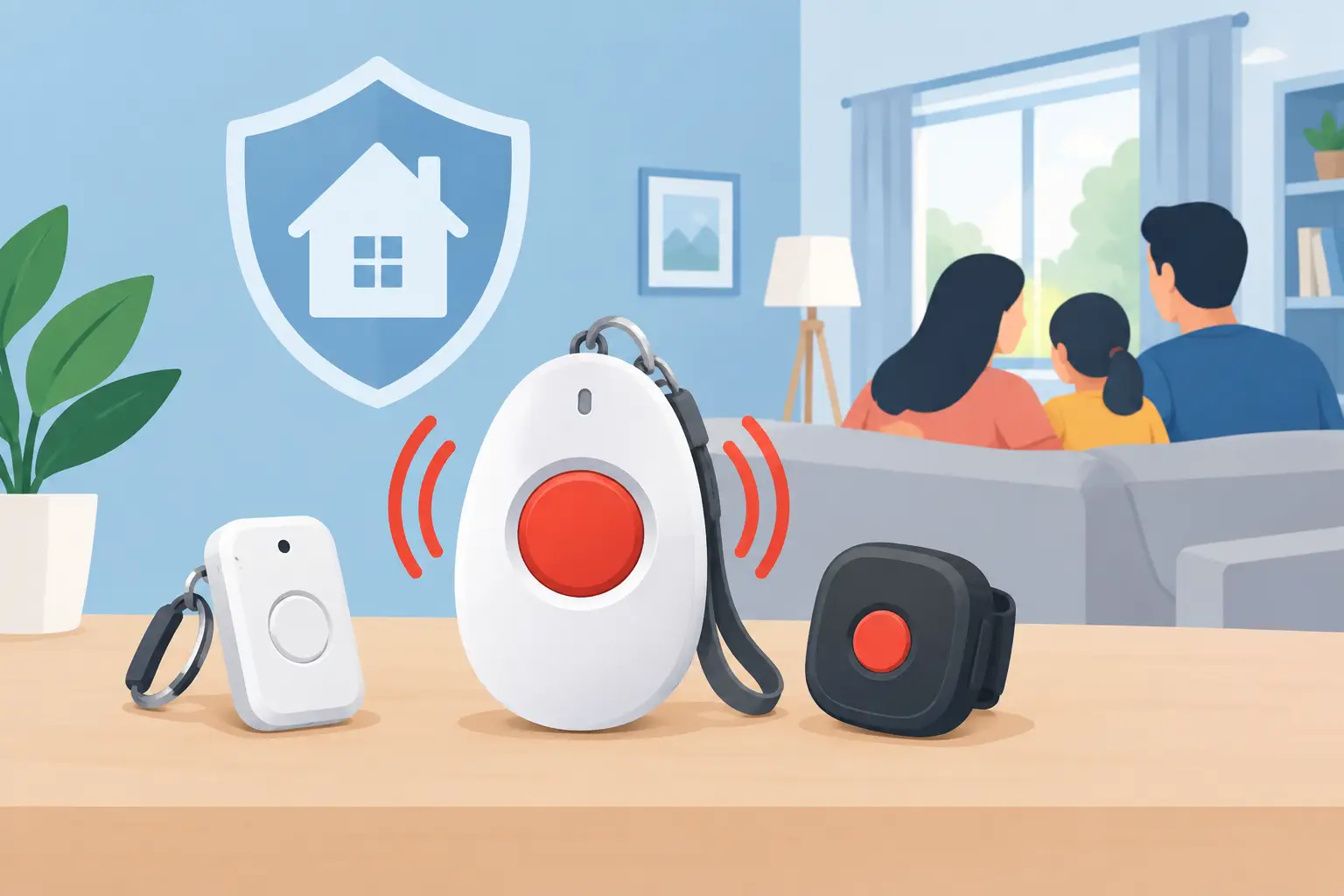
Best Panic Alarms for Homes and Families
Compare the best panic alarms for homes, from personal buttons to monitored systems, and choose reliable protection for your family, home and property.

Managed Building Entry Systems Explained
Managed building entry systems give flats, offices and nurseries tighter access control, clearer accountability and simpler day-to-day use.

CCTV vs Intruder Alarm: Which Do You Need?
CCTV vs intruder alarm – understand what each system does, where it works best, and when combining both gives stronger protection and control.
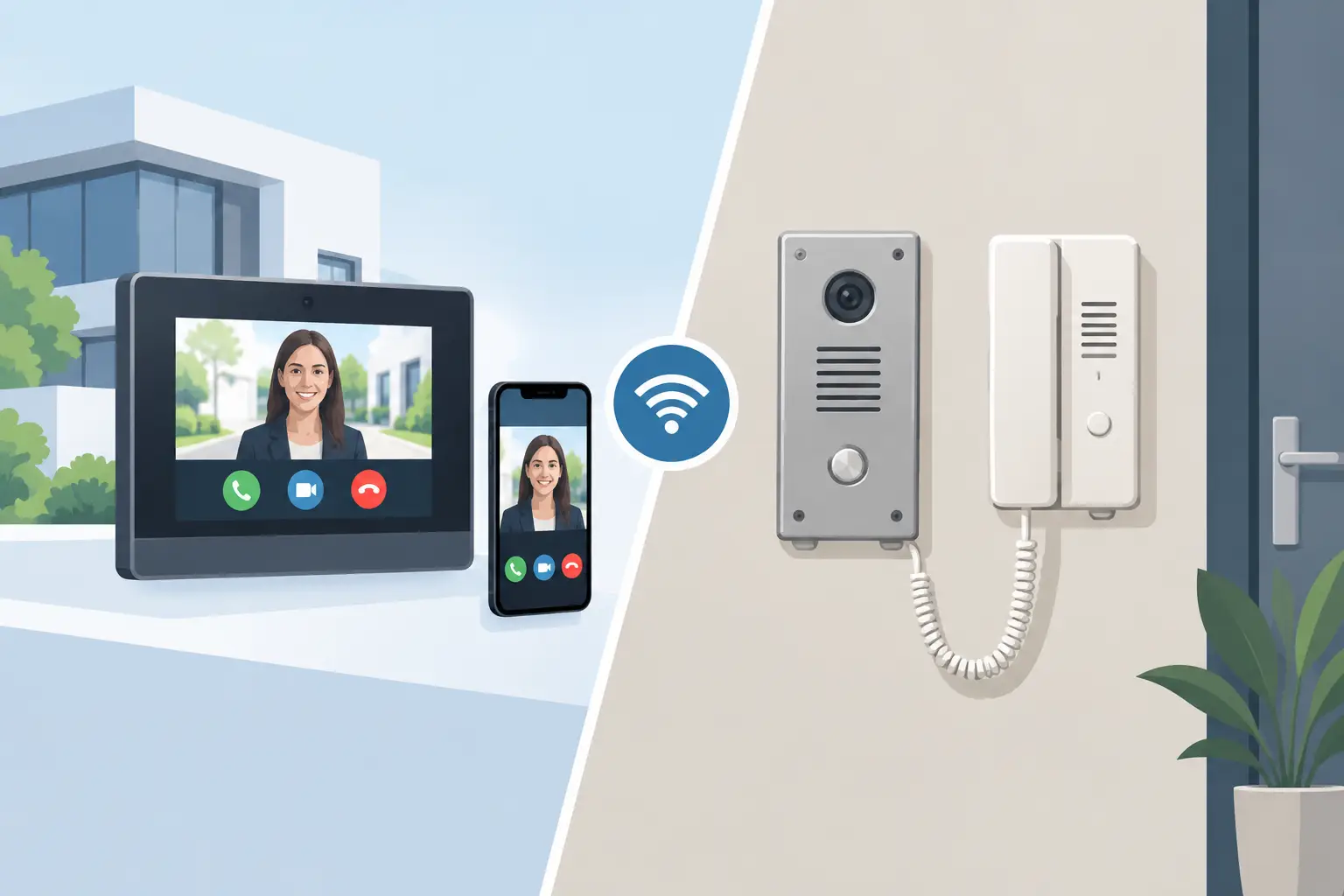
IP Intercom vs Analogue Intercom: Which Fits?
Compare IP intercom vs analogue intercom systems for homes, flats and businesses. Understand wiring, remote access, costs and the right fit for your site.

How to Plan Office Surveillance Properly
Learn how to plan office surveillance with the right camera positions, access points, privacy controls and night coverage for clear evidence.

How Many Cameras for Office Security?
Find out how many cameras for office security you really need, based on layout, risk points, blind spots, lighting and day-to-day use.

Smart Home Security Installation Done Right
Smart home security installation works best when cameras, alarms and entry systems are designed properly, fitted well and supported after handover.

Case Study: Door Entry for Apartment Blocks
A practical case study of door entry in apartments, covering access control, IP video, resident usability and installation choices that protect residents.

Commercial CCTV Installation Guide for UK Sites
Our commercial CCTV installation guide explains how to plan cameras, protect privacy and achieve clear evidence with reliable professional support on site.

CCTV for Nurseries: What Good Security Looks Like
CCTV installation for nursery security: camera placement, night coverage, entry control, privacy rules and how to choose a reliable installer for safeguarding.