


Wondering how much does cctv installation cost uk? See realistic UK price ranges, what drives cost, and how to budget for a reliable system.
Nursery Safeguarding Camera Placement Example

A nursery safeguarding camera placement example should begin at the point a child, parent, visitor or contractor enters the building – not with a camera count. The purpose is clear accountability: knowing who entered, where they went and what happened if a concern is raised, while preserving children’s dignity and allowing staff to work with confidence.
A well-designed CCTV system is not about filming every inch of a nursery. It is about covering the moments and locations where safeguarding, access control and incident review matter most. Poor placement can leave critical blind spots, create privacy concerns or produce footage that is too unclear to be useful. Professional design turns cameras into a practical safeguarding tool rather than an extra burden on the setting.
What a nursery CCTV system needs to achieve
Nurseries are busy environments. Parents arrive at the same time, children move between rooms and outdoor areas, staff carry out handovers, and deliveries or contractors may need access during the day. Camera coverage should help the management team verify events without interfering with the care being provided.
The strongest designs usually focus on four outcomes: controlled entry, safe circulation, accountability in shared activity areas, and a clear record around the building perimeter. These outcomes guide placement far better than a request for cameras in every room.
CCTV must also sit within wider safeguarding procedures. It cannot replace appropriate staffing levels, supervision, visitor sign-in, DBS processes, training or clear reporting routes. It provides evidence and oversight when questions need answering, and its presence can discourage unauthorised access or inappropriate behaviour.
A practical nursery safeguarding camera placement example
Consider a single-storey nursery with a main entrance, reception desk, two playrooms, a shared corridor, a sleep room, kitchen access and a fenced outdoor play area. The premises has one staff entrance at the side and a gate leading from the car park.
At the main entrance, fit a high-resolution camera covering the external approach and entrance door. It should capture faces before a person reaches the door, rather than only the top of their head once they are standing beneath a canopy. Good lighting is essential here. Smart illumination or colour night coverage can make a major difference during winter afternoons, early arrivals and evening collections.
A second camera should cover the reception and internal entrance point. Position it to record the handover area, visitor sign-in point and route into the nursery, without placing it directly over a receptionist’s screen or paperwork. When paired with a properly specified IP video door entry system, staff can identify visitors before releasing the door. Dahua door entry systems can provide clear video at a POE-connected indoor monitor, allowing authorised staff to manage entry without leaving children unattended.
In the main corridor, use a camera at each end where necessary to cover routes between rooms. The aim is to see who moves through the space and which direction they take, not to create a close-up view of every child. Avoid aiming one camera directly into another, as this wastes coverage and can make it harder to trace movement through the building.
For each playroom, a wide-angle camera mounted high in a corner can cover the main activity space and entrance. Before approving the position, check the image at child height as well as adult height. Tall storage units, displays, dens and temporary play equipment can block a view that looked perfect on a floor plan. In larger or L-shaped rooms, two carefully positioned cameras may be more effective than one ultra-wide lens, which can make faces too small for useful identification.
The outdoor area needs equal attention. A camera facing the gate should identify anyone approaching or attempting to enter, while another should cover the play area and boundary line. Do not rely solely on an image of the gate itself. The useful view shows whether it was opened, who passed through it and where that person went next. Cameras with intrusion-triggered illumination can provide clearer evidence after hours if someone enters the grounds.
The side staff entrance and delivery route should also be covered. This is often an overlooked point of access, yet it may be used by staff, tradespeople and suppliers. A camera here supports visitor management and helps investigate any access issue without putting the system’s focus on staff performance.
Areas that require particular care
Some spaces demand a more cautious approach. Cameras should never be installed in toilets, changing areas or any location where a child or adult would reasonably expect privacy. This is a firm safeguarding and dignity boundary.
Sleep rooms require a decision based on the nursery’s procedures, room layout and risk assessment. Some settings use cameras to support supervision, particularly where a room is separate from the main floor. Others rely on direct visual checks and listening arrangements. If CCTV is used, position it to show the room generally rather than to create intrusive close-up images of sleeping children. It should support – never replace – the regular physical checks required by the nursery’s policy.
Staff rooms and offices also need thought. A camera may be justified where an office doubles as a controlled-access store for records, keys or medication, but routine monitoring of private staff break areas is rarely proportionate. Where coverage is needed, explain the reason clearly and keep the field of view tight.
Audio recording is more intrusive than video and is seldom necessary for nursery safeguarding. It captures conversations that may involve children, parents and staff, creating a much higher privacy threshold. In most cases, clear video, sensible camera positioning and secure entry records provide the assurance a setting needs.
Image quality matters more than the number of cameras
A low-cost system with too few pixels, poor night performance or badly chosen lenses can create false reassurance. If footage cannot identify a visitor at the door, show an incident in a playroom or make sense of activity after dark, it does not meet the purpose of the installation.
Camera height, lens angle, lighting and recording settings should all be specified for the location. An entrance camera needs facial detail. A corridor camera needs a useful view of movement. An outdoor camera needs to cope with changing light, rain and shadows. These are different jobs, and they may require different camera types and settings.
Recording reliability is equally important. The system should have adequate storage, secure user access and an agreed retention period. Footage should not be retained indefinitely simply because storage is available. Retention should be long enough to identify and review concerns, but proportionate to the setting’s documented needs.
Build privacy into the installation from day one
Nursery operators need to meet their data protection responsibilities when using CCTV. Before installation, document why cameras are needed, what risks they address, who can access recordings and how footage will be protected. A data protection impact assessment may be appropriate, particularly where coverage includes children and staff across multiple areas.
Clear signage at entrances is essential. Parents, visitors and staff should understand that CCTV is operating and the reason for it. Staff should also know that cameras are a safeguarding and security measure, not a substitute for fair management processes.
Access to recordings should be limited to authorised people. Avoid shared passwords and ensure there is a process for reviewing, exporting and disclosing footage when a legitimate request or incident arises. Remote viewing can be useful for nominated managers, but it must be secured with strong credentials and should not become casual, constant observation from personal devices.
Why a site survey changes the result
Every nursery building has its own pinch points: a poorly lit gate, a reception blind spot, a side path hidden by bins, or a playroom rearranged every term. A free site survey allows these realities to be assessed before equipment is chosen.
NRI Security designs CCTV around the building, the nursery’s safeguarding procedures and the people using it each day. The right system may include intelligent cameras, smart illumination, controlled video entry and secure remote access. Equally, it may mean advising against a camera where the privacy impact outweighs the benefit. That is the difference between adding equipment and creating dependable coverage.
The best camera position is the one that answers a safeguarding question without creating a new concern. Start with the entrances, movement routes, external boundaries and shared activity spaces, then test each view in real conditions. When parents place their children in your care, clear sightlines, controlled access and a properly supported system provide reassurance that stands up when it is needed most.

Residential CCTV Installation Guide for Homes
Residential CCTV installation guide for homeowners – learn camera placement, lighting, recording, compliance and why professional setup matters.

8 Best Ways to Deter Trespassers at Home
Learn the best ways to deter trespassers with practical CCTV, lighting, access control and boundary advice for homes and businesses across the UK today.

Remote Monitoring Systems That Put You in Control
Remote monitoring systems give homeowners and businesses live visibility, faster alerts and practical control over CCTV, alarms and access points daily.

Smart Home Security Installation Done Right
Smart home security installation works best when cameras, alarms and entry systems are designed properly, fitted well and supported after handover.

Upgrade Old Analogue CCTV to IP
Learn how to upgrade old analogue CCTV to IP, what can stay, what must change, and how to improve image quality, access and control.

Guide to Commercial Access Control
A practical guide to commercial access control, covering entry methods, system design, user management, compliance and long-term reliability.

Smart Illumination Security Cameras Explained
Learn how smart illumination security cameras improve night-time visibility, deter intruders and give homes and businesses clearer evidence.

IP Video Door Entry Installation That Works First Time
Planning ip video door entry system installation? Learn what to specify, where installs fail, and how to get reliable entry control in GB properties.
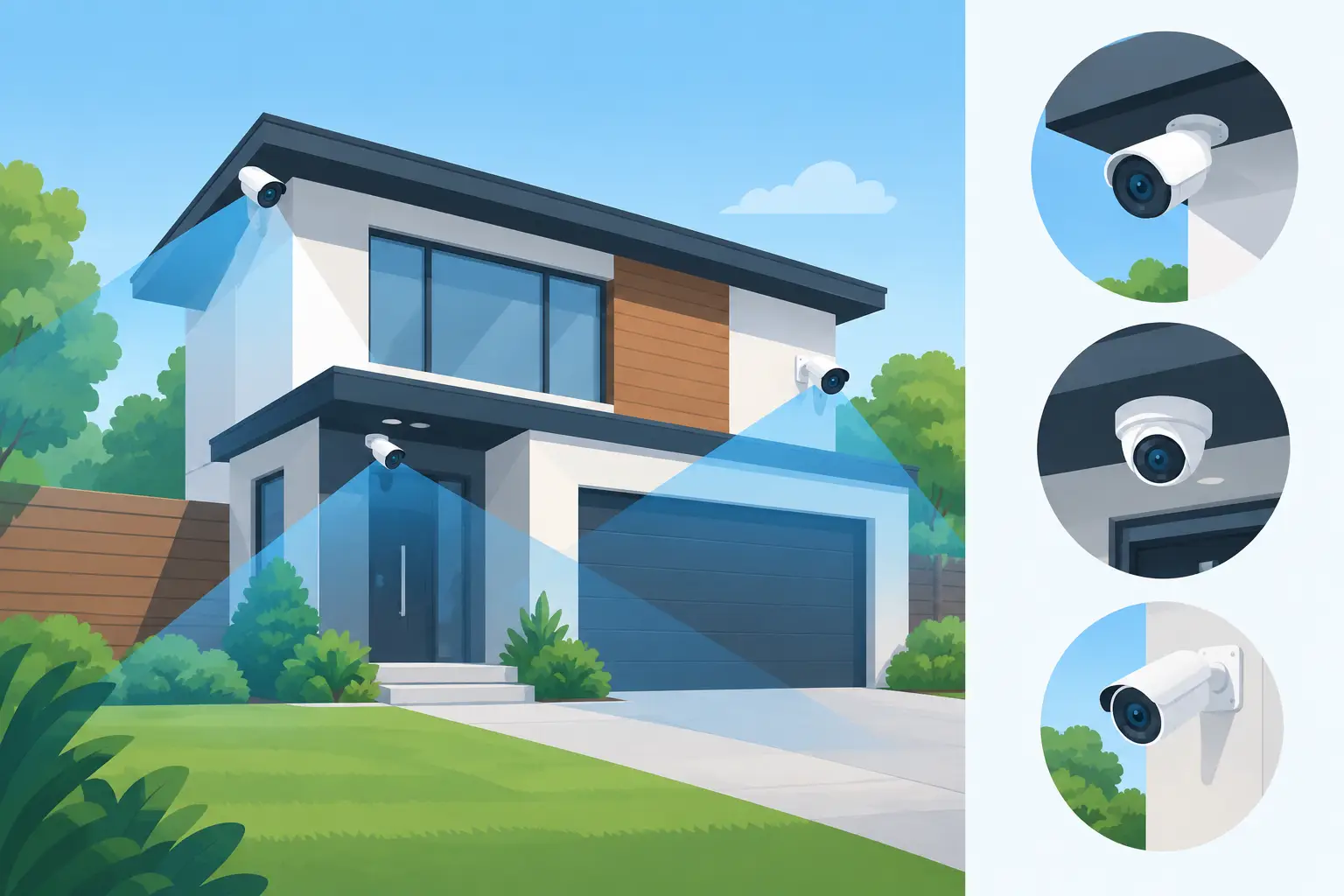
How to Position Security Cameras Properly
Learn how to position security cameras for clear evidence, safer access points and dependable night coverage at home or your business property every day.
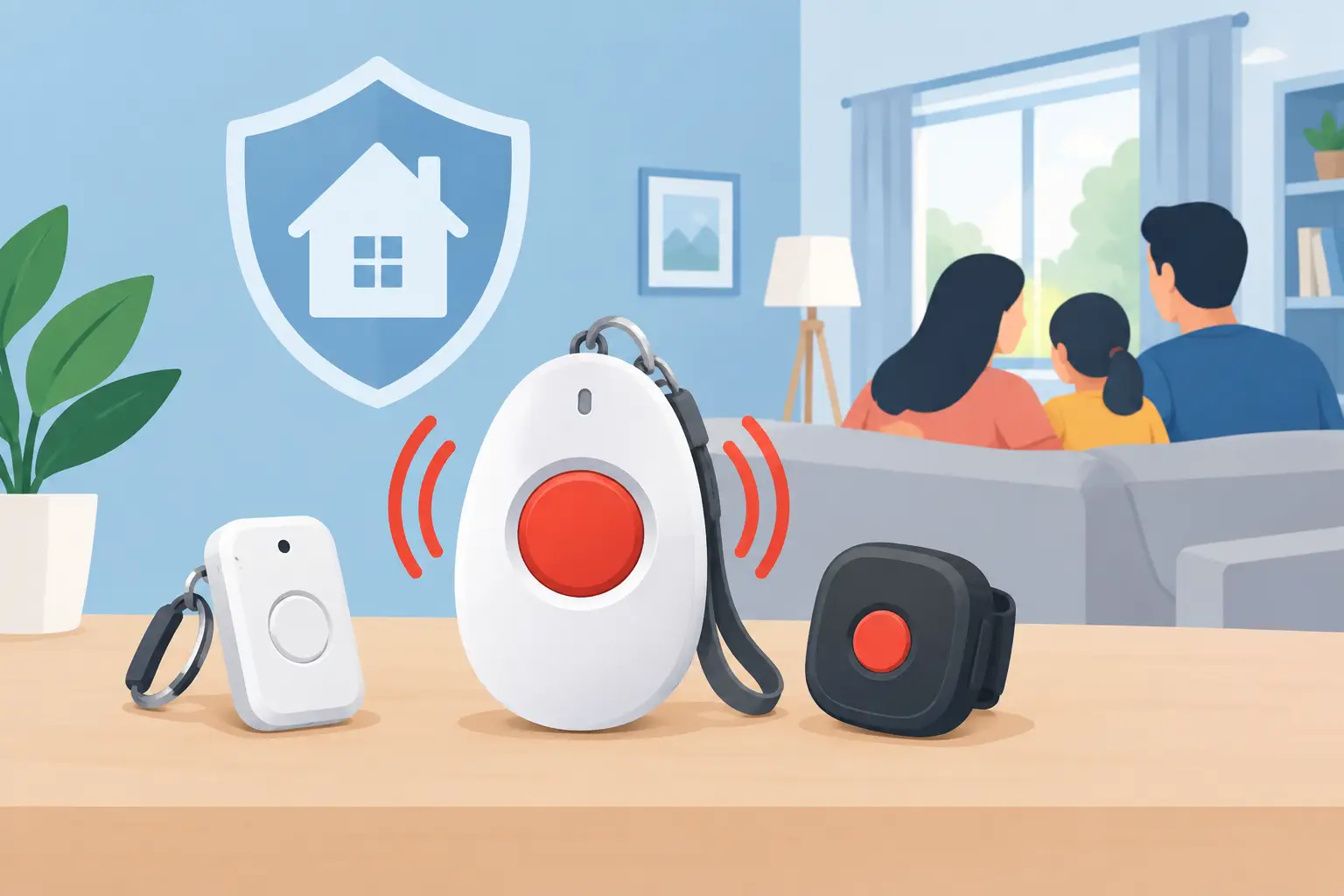
Best Panic Alarms for Homes and Families
Compare the best panic alarms for homes, from personal buttons to monitored systems, and choose reliable protection for your family, home and property.

Wired vs Wireless Alarm Systems
Compare wired vs wireless alarm systems for homes and businesses. See the real trade-offs in reliability, installation, upkeep and cost.