
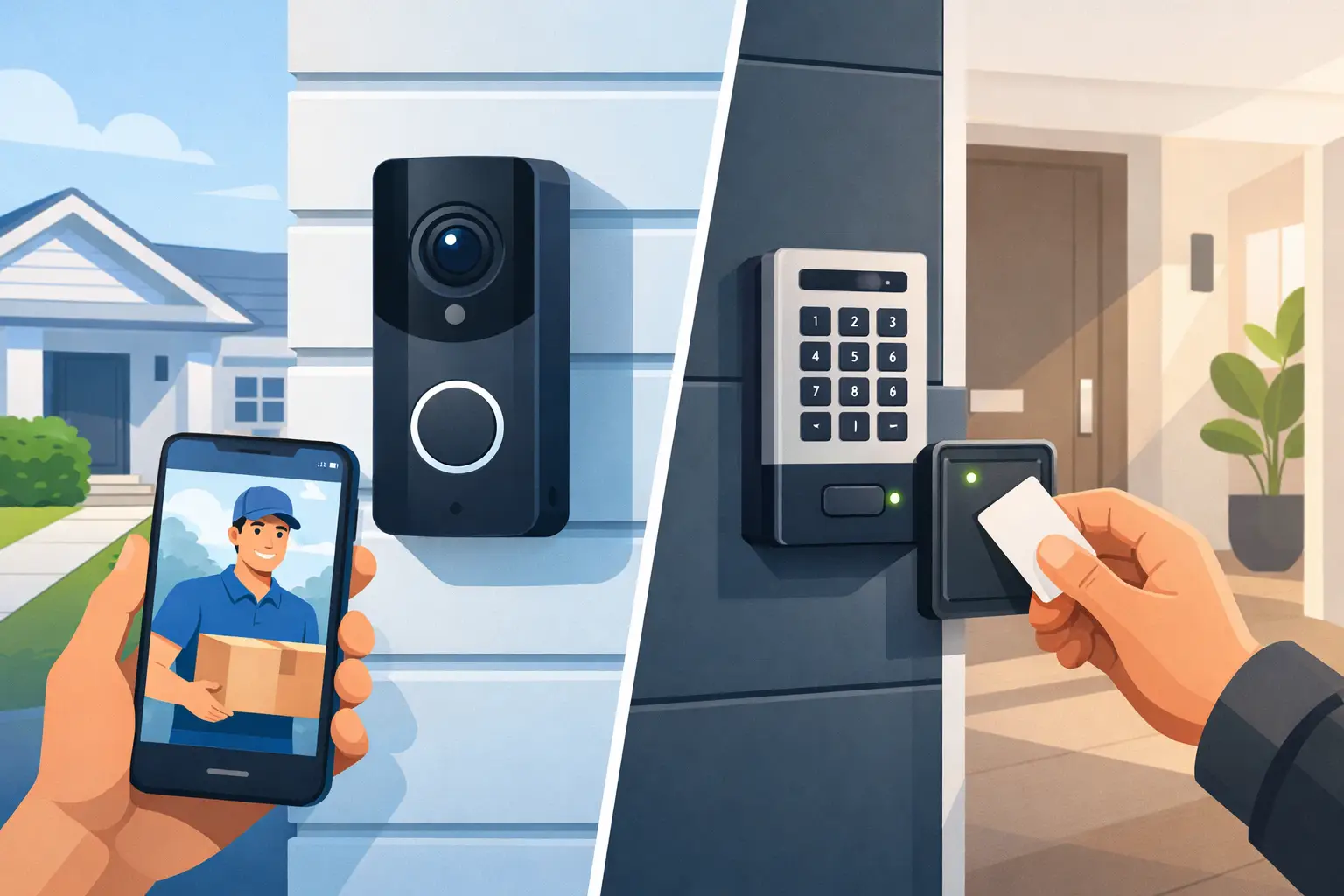


Compare video doorbell vs door entry systems for homes, flats and businesses. Choose practical access control, reliable visibility and support that lasts.
Landlord CCTV Rules Made Clear

A camera above a communal entrance can deter tailgating, help identify vandals and give landlords a clearer record when something goes wrong. It can also create risk if it captures more than it should, stores footage carelessly, or leaves tenants feeling watched in their own home. That is where data protection stops being a box-ticking exercise and becomes part of running a well-managed property.
For landlords in the UK, CCTV is not just about buying good cameras and getting a clean image at night. It is about using surveillance fairly, lawfully and with clear limits. If your system records identifiable people, you are handling personal data. That means your setup, your policies and your day-to-day use all need to stand up to scrutiny.
A practical guide to CCTV data protection for landlords
The starting point is simple. Ask why the cameras are needed, and be specific. “Security” on its own is too vague to guide a proper installation. A stronger reason would be preventing unauthorised access to a block, reducing repeated fly-tipping at bin stores, or investigating damage in a shared car park. When the purpose is clear, it becomes easier to decide where cameras should go, what they should record and how long footage should be kept.
This matters because landlords do not have a free hand to monitor people simply because they own the building. Tenants, visitors, contractors and staff all have privacy rights. In a house in multiple occupation, for example, cameras in communal entrances may be justified, but cameras pointed at bedroom doors, inside kitchens or in shared lounges will usually be much harder to defend. In self-contained flats, internal monitoring is rarely appropriate at all unless there is an exceptional and lawful reason.
Good CCTV design helps at this stage. A professionally specified system can narrow the field of view, apply privacy masking and focus on genuine risk points rather than capturing neighbouring gardens, public pavements or tenants’ windows. Better coverage does not always mean wider coverage. In many cases, a tighter image with intrusion-triggered recording gives you more useful evidence and less unnecessary data.
Lawful use starts with necessity and fairness
If you are using CCTV in rental property, you need a lawful basis under UK data protection law. For most landlords, that will be legitimate interests. In plain terms, you have a genuine reason to protect the property, residents and shared areas, but you must balance that against the rights of the people being recorded.
That balance is where many systems fall short. If there has been a history of forced entry at a front gate, a camera covering the gate is likely to be proportionate. If you install audio recording in a communal corridor just in case it proves useful one day, that is much harder to justify. Audio is more intrusive than video and generally needs stronger reasoning.
Fairness also means people should not be surprised they are being recorded. Clear signage is essential. Notices should tell people CCTV is in operation, who is responsible for it and how they can make contact. The sign does not need to read like a legal contract, but it should be visible, honest and easy to understand.
Landlords should also be ready to explain the system in straightforward language. If a tenant asks why cameras are in place, the answer should be practical and consistent with your stated purpose. Mixed messages cause complaints. So does installing cameras first and working out the policy afterwards.
Where landlords often get CCTV wrong
The most common mistake is over-coverage. A camera meant to watch a shared entrance ends up recording a neighbour’s front door or looking straight into a ground-floor flat. That creates avoidable privacy issues and may expose you to complaints even if your intentions were reasonable.
Another weak point is retention. Keeping footage forever because storage is cheap is not a sensible policy. If the purpose is incident review, many landlords can justify a short retention period, often measured in days rather than months, unless footage has been saved for a specific investigation. You should set a retention period that fits the risk and stick to it.
Access control is just as important. Footage should only be available to people who need it, and systems should be protected with strong passwords and sensible user permissions. If multiple staff, agents or contractors can log in, you need to know who has access and why. The more open the system, the more likely footage is to be misused, copied casually or shared inappropriately.
Cloud access and mobile viewing can be useful for landlords managing multiple sites, but convenience should not come at the cost of control. If live and recorded footage is accessible on a phone, there should still be proper account security, restricted permissions and a clear understanding of who is authorised to use it.
A guide to CCTV data protection for landlords in shared buildings
Blocks of flats, HMOs and mixed-use buildings need extra care because communal security and private living space sit very close together. A camera at the main entrance may be reasonable. A camera continuously watching a shared kitchen usually is not. The same goes for leisure areas, internal social spaces and any location where people would reasonably expect a higher level of privacy.
This is where layout and equipment choice matter. A well-planned system can cover entrance doors, service yards, bike stores, bin areas and car parks without drifting into unnecessary surveillance. Features such as low-light colour coverage, smart illumination and precise line-crossing alerts can improve useful evidence while reducing the temptation to install more cameras than the site really needs.
It is also worth thinking about visitor management and access control alongside CCTV rather than treating them as separate problems. In some properties, a properly designed IP door entry system can reduce security issues at the front end, which means less reliance on broad surveillance elsewhere in the building.
Handling footage, requests and complaints
Once the system is live, your responsibilities continue. If someone asks whether they have been recorded, or requests a copy of footage showing them, that is not a nuisance request. It may be a data subject access request, and it should be handled properly and within the required timescales.
That does not mean handing over everything on the recorder. You may need to review footage carefully and consider the privacy of other people captured in the same clip. In some cases, redaction will be needed before disclosure. If the footage relates to crime or an ongoing dispute, there may be limits on what can be shared and when, but those decisions should be made carefully, not casually.
You should also have a simple process for complaints. If a tenant says a camera is intrusive, take that seriously and review the angle, coverage and purpose. Sometimes the answer is not legal argument but adjustment. A slight repositioning or privacy mask can resolve a problem quickly without weakening site security.
Record-keeping helps here. Landlords should be able to show why the system was installed, what areas it covers, how long footage is kept and who can access it. You do not need pages of jargon, but you do need a clear paper trail that reflects how the system is actually used.
Installation decisions that support compliance
Data protection is often won or lost at installation stage. A poor setup creates problems that policies alone cannot fix. Cameras placed too high may miss faces. Cameras placed too low may overexpose private areas. Overlapping views, poor lighting and default settings can all make footage less useful and more intrusive at the same time.
A consultative site survey is the sensible route because every property is different. A small converted house let to sharers has different risks from a managed block with multiple entrances and delivery traffic. The right answer depends on layout, occupancy, previous incidents and the balance between deterrence and privacy.
Professional configuration also matters after the cameras go up. Password changes, user permissions, recording schedules, retention settings and remote access controls should all be set deliberately. If your installer leaves everything on factory defaults or gives every user full admin rights, the system may work, but it is not under proper control.
For landlords who want a practical starting point, think in this order: purpose first, coverage second, signage third, retention fourth and access control throughout. That sequence helps avoid the usual mistake of choosing equipment before deciding what a lawful and proportionate system should actually do.
If you want support with a system that protects the property without overreaching on privacy, NRI Security can advise on right-fit CCTV design, placement and configuration based on the building you manage, not a generic package. That kind of planning makes compliance easier because the system is doing the right job from day one.
The best landlord CCTV setups do not try to watch everything. They focus on the points that matter, record clearly when it counts and give residents confidence that security is being handled properly.

Access Control Installation for Apartment Blocks
Access control installation for apartment blocks improves entry security, resident safety and daily management with the right system design.

Remote Monitoring Systems That Put You in Control
Remote monitoring systems give homeowners and businesses live visibility, faster alerts and practical control over CCTV, alarms and access points daily.

How to Set CCTV Motion Zones Correctly
Learn how to set CCTV motion zones correctly to cut false alerts, improve coverage and make sure your cameras catch the movement that matters.
How to Protect Vacant Property From Intruders
Learn how to protect vacant property with practical CCTV, lighting, access and inspection measures that deter intrusion and reveal on-site problems early.

Choosing a Panic Button Alarm for Home Security
A panic button alarm for home gives you a fast way to raise an alarm. Learn where it helps, key features and why professional fitting adds confidence.

How to Plan an Apartment Intercom Upgrade Safely
Learn how to plan apartment intercom upgrade work with clear entry rules, suitable IP equipment, resident communication and reliable ongoing support too.

Business Access Control Guide for Safer Sites
A practical business access control guide for offices, flats and managed sites. Learn what to choose, how systems work and what really matters.

CCTV Compliance for Small Businesses Made Clear
CCTV compliance for small businesses explained: plan lawful coverage, clear signs, secure footage and staff awareness without buying more than you need.

Best Entry Systems for Nurseries
Find the best entry systems for nurseries, from video door entry to access control and CCTV, with practical advice on safety, control and daily use.

How to Upgrade Outdated CCTV System
Learn how to upgrade outdated CCTV system setups with better image quality, remote access, smart alerts and reliable coverage that works.
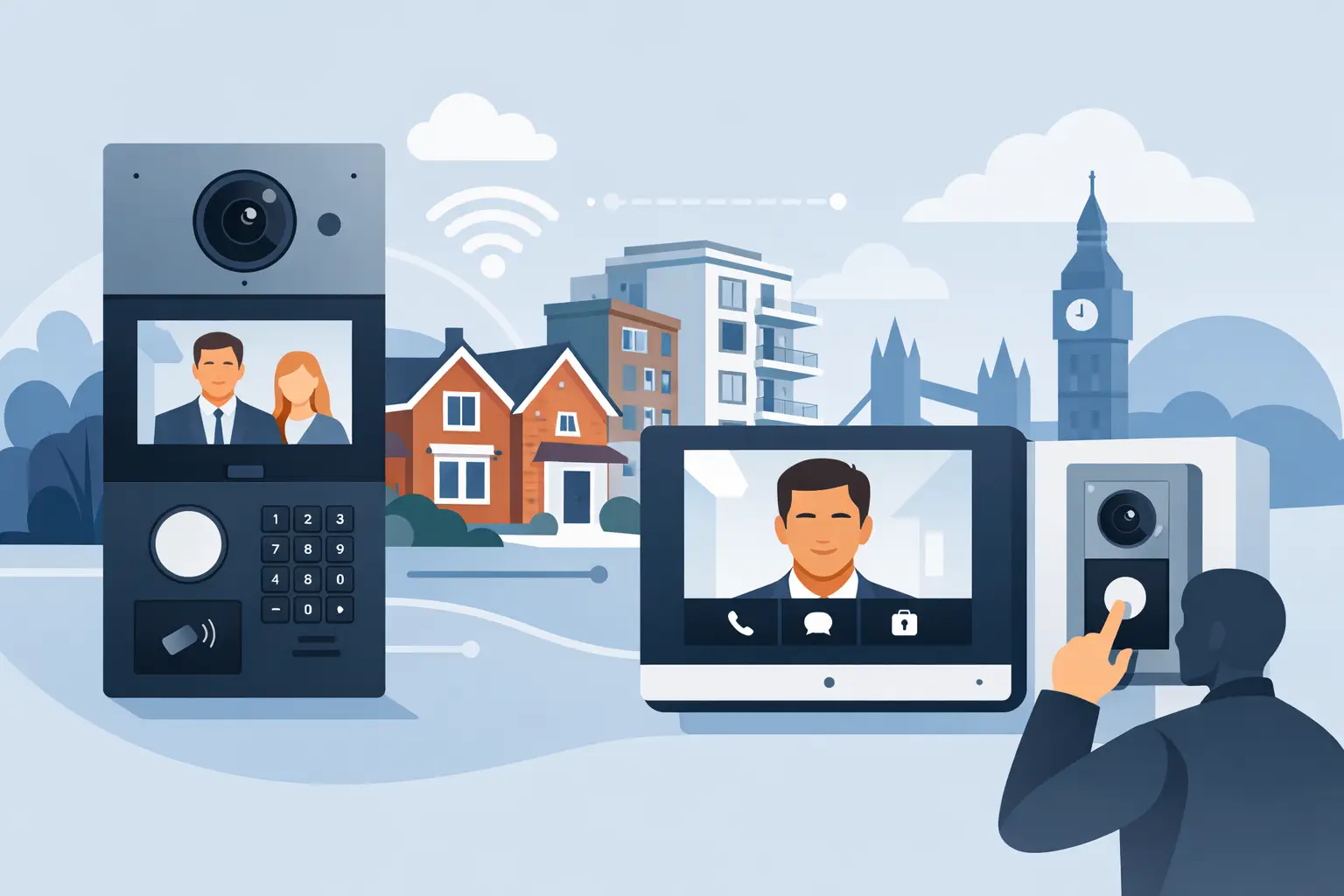
Dahua IP Intercom System Review for UK Properties
Read our Dahua IP intercom system review for a clear look at door entry, PoE monitors, remote access, installation and who it suits best in the UK today.